
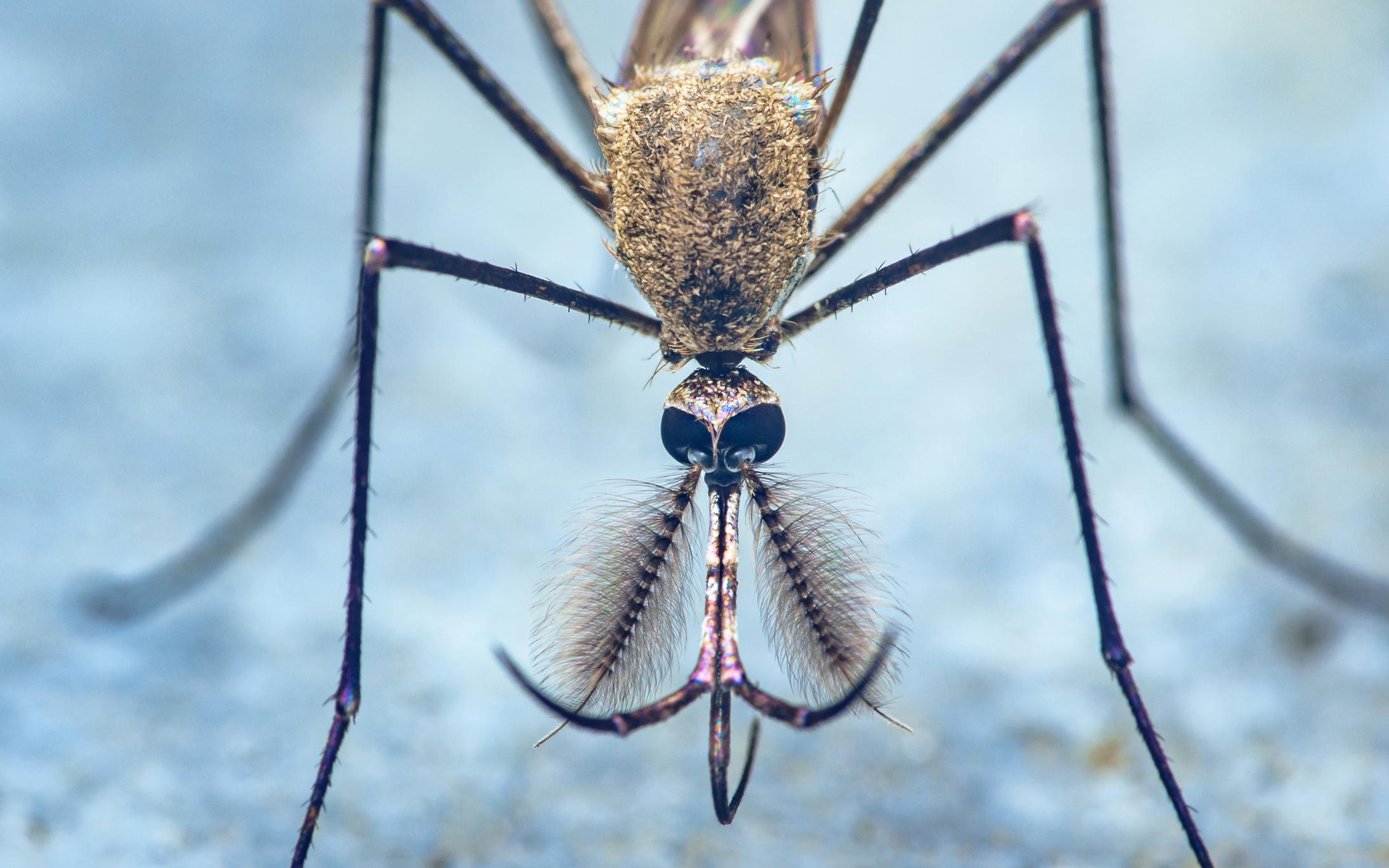
People around the world are talking about a new story connected to Google and millions of mosquitoes. The headline has surprised many readers because it says that Google wants to release up to 32 million good mosquitoes in California and Florida. For many people this news sounds strange at first because mosquitoes are usually seen as dangerous insects that bring problems instead of solutions. News reports and social media posts quickly spread this story and created many questions among the public.
Many people want to know why a technology company is connected to mosquitoes. Others are asking if these insects are dangerous for humans. Some people are worried about health and the environment while others believe this could help stop the spread of disease. The topic has become one of the most discussed science stories in recent days.
The truth behind the headline is more detailed than many people think. The idea is not about sending harmful insects into neighborhoods. The project is connected with Verily which is a life science company under Alphabet which is the parent company linked with Google. The purpose is to use science and technology to reduce dangerous mosquito populations that spread diseases.
Mosquitoes are among the most common insects on Earth. Every year they affect millions of people around the world because some mosquito species carry diseases. Mosquitoes can spread serious illnesses that affect families and communities. Because of this scientists have spent many years searching for better ways to reduce mosquito populations without causing damage to the environment.
Traditional mosquito control methods usually involve chemicals and pesticides. These methods can sometimes reduce mosquito numbers but they also create concerns. Some people worry about the long term effects of chemicals on plants animals and human health. Scientists continue to search for cleaner and safer ways to manage mosquito populations.
The proposed mosquito release project uses a different approach. Instead of using large amounts of pesticides researchers want to release specially prepared male mosquitoes. Male mosquitoes are important because they do not bite people. Female mosquitoes are the ones that bite humans and animals because they need blood for reproduction.
The male mosquitoes in this project carry a natural bacterium known as Wolbachia. This bacterium already exists naturally in many insects around the world. Scientists are not creating a new dangerous substance in a laboratory. They are using a natural biological method that researchers believe can help reduce mosquito populations.
When these male mosquitoes mate with wild female mosquitoes something unusual happens. The eggs often fail to develop properly which means fewer mosquitoes are born in future generations. Over time this process may reduce the number of harmful mosquitoes in targeted areas.
Researchers believe that reducing dangerous mosquito populations may help lower the spread of diseases. Mosquito related illnesses continue to create health problems in many countries. Diseases such as Zika virus and West Nile virus have caused concern among health experts for years.
Health officials have spent a long time trying to find solutions because mosquito related diseases can spread quickly in some areas. Climate changes and environmental conditions can also affect mosquito populations. Warm weather and standing water often create better conditions for mosquitoes to grow and multiply.
Because of this scientists continue looking for methods that can control mosquitoes without creating new problems. Supporters of the project believe biological control methods could become an important tool in public health efforts.
The headline itself has created confusion among some readers. Many people saw the words Google and mosquitoes together and immediately thought about technology experiments involving dangerous insects. Social media reactions showed that many people became worried before reading the full details.
Some users online claimed that millions of modified insects would suddenly be released everywhere. Others suggested that people might face unknown risks. These reactions spread quickly because headlines often travel faster than complete explanations.
Scientists involved in mosquito research say there is an important difference between fear and evidence. Researchers say the male mosquitoes used in these projects are selected because they do not bite people. The goal is population control rather than increasing mosquito numbers permanently.
Even with these explanations not everyone supports the plan. Some environmental groups and members of the public continue to ask important questions. They want to understand what effects large scale insect releases could have on ecosystems over long periods.
People often worry when science introduces new ideas into nature. Questions about balance in the environment are common. Insects play roles in food chains and ecosystems. Birds fish frogs and other animals depend on insects as part of their natural food sources.
Critics believe researchers should continue studying possible environmental effects before expanding these programs. Some people fear that changing mosquito populations could create unexpected consequences. Others simply want more public discussions before large projects move forward.
Supporters however believe the possible benefits deserve serious attention. They argue that mosquitoes already create health problems and that new solutions are needed. They also point out that mosquito control programs already exist in many places through spraying and other methods.
Supporters say the proposed biological method may actually reduce the need for large amounts of chemicals. They believe using natural bacteria may provide a safer alternative compared with some traditional methods.
This is not the first time mosquito control projects have used biological approaches. Similar programs have been tested in different parts of the world. Some reports showed reductions in mosquito populations in certain locations. Researchers continue collecting information from these studies to understand long term results.
Science often develops through testing observation and adjustment. New ideas usually go through detailed reviews and research before wider use. Public agencies and health experts normally study safety information before approving projects involving environmental releases.
The discussion around this story also shows how quickly information moves online today. Headlines can attract attention in seconds. People often react immediately after reading a short title without seeing the full explanation.
This situation reminds readers about the importance of checking facts before reaching conclusions. A dramatic headline can create strong emotions but understanding the complete story often changes the picture.
The conversation also highlights how technology companies are becoming involved in health and science projects beyond computers and internet services. Large companies now invest in medical research health technology and scientific innovation.
As technology continues growing many companies are entering fields that once seemed completely separate from the digital world. Artificial intelligence medical studies and biological research are becoming larger areas of investment.
The future of mosquito control may involve a combination of different strategies rather than one single solution. Researchers may continue using traditional methods together with newer approaches. Public health experts will likely keep studying how these methods work in real communities.
For now the debate continues. Some people see hope in the possibility of reducing dangerous diseases while others want more answers before supporting the plan completely. Both views show why public discussion remains important when science and health issues affect communities.
The story about Google and 32 million good mosquitoes may sound surprising at first but the larger discussion goes beyond insects. It touches on science technology health and public trust. As more information becomes available people around the world will continue watching how this project develops and whether it becomes a major step toward controlling disease carrying mosquitoes in the future.