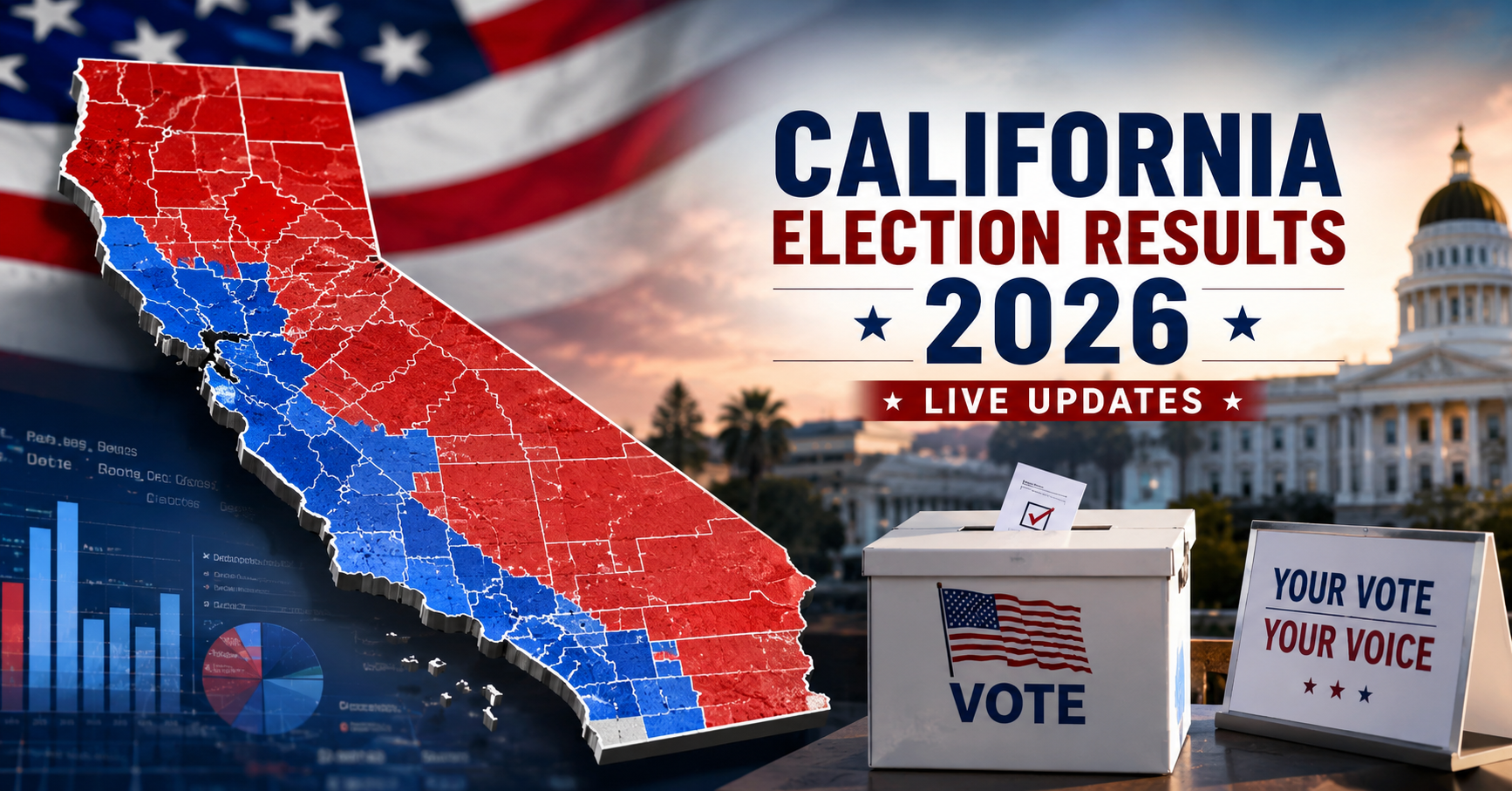

The recent court decision involving the United States Postal Service and mail ballots has become one of the most discussed political stories in America. A federal judge stopped a proposed nationwide order that could have changed how some mail ballots were handled during future elections. The ruling has created debate among voters election officials legal experts and political leaders across the country.
Mail voting has become an important part of the election process in the United States. Millions of Americans use mail ballots because they offer a convenient way to vote. Older adults military members students and workers with busy schedules often rely on mail voting to participate in elections. Because so many people use this system any proposed change receives national attention.
The court decision does not end the larger debate about election rules. Instead it temporarily blocks the proposed order while legal challenges continue. This means current election procedures remain in place for now.
Supporters of the proposed order argued that stronger rules could improve election security. They believed additional requirements would help protect the voting process and create more consistency across different states. Opponents argued that the changes could make voting more difficult for some eligible citizens and could create confusion close to important elections.
The federal judge reviewed arguments from both sides before deciding to block the order nationwide. The judge concluded that the proposed changes could not move forward while the legal dispute remains unresolved.
The ruling highlights a larger question that has been debated for years. How can the country protect election security while also making voting accessible for all eligible citizens. Many Americans agree that elections should be fair secure and transparent. The challenge is deciding which policies best achieve those goals.
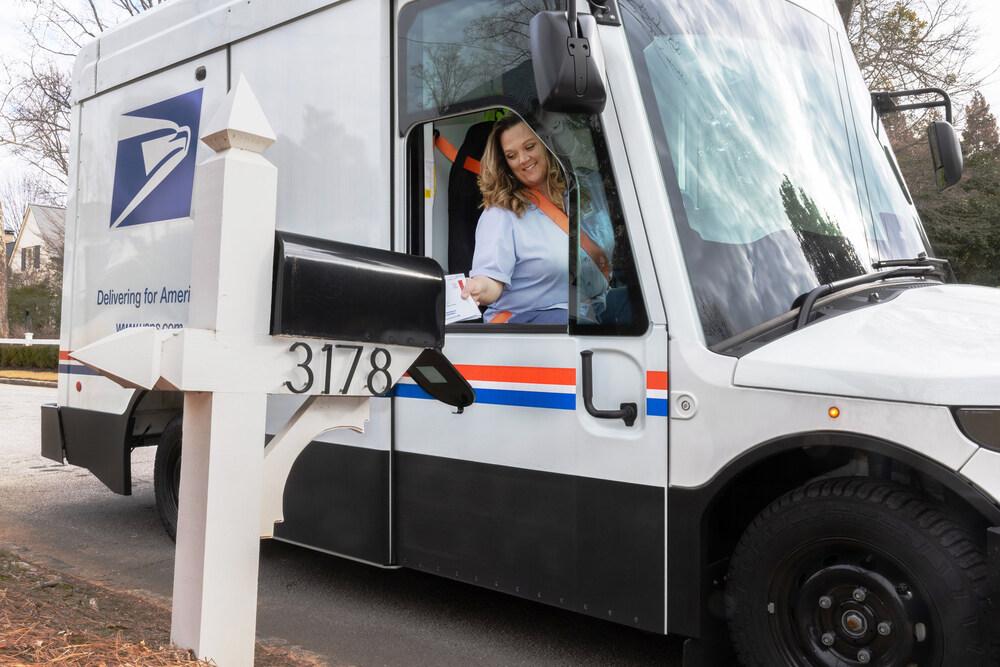
The United States Postal Service plays a major role during election seasons. Millions of ballots travel through the postal system every election year. Postal workers help deliver ballots to voters and return completed ballots to local election offices. Because of this responsibility postal policies related to elections often become national issues.
Election officials in many states said stable rules are important because voters need clear instructions. Sudden changes can create confusion and increase the risk of mistakes. Officials often encourage voters to request ballots early read instructions carefully and return ballots well before deadlines.
At the same time some policymakers continue calling for stronger national standards. They argue that different rules in different states can create uncertainty. Others believe states should maintain broad authority over their own election systems. This disagreement has become one of the central debates in modern election policy.
Legal experts note that election law is often complicated because both state governments and the federal government have important responsibilities. States usually manage many parts of the voting process while federal courts review whether new policies follow existing laws and constitutional protections.
The recent ruling also shows how important courts can be during election disputes. Judges are often asked to decide whether government actions are legally valid. Their decisions can affect election procedures long before voters cast their ballots.
Public confidence remains a major issue. Many voters want assurance that ballots are delivered safely counted accurately and protected from fraud. Election officials across the country continue investing in training security systems ballot tracking and voter education to strengthen public trust.
Modern technology has also changed the voting experience. In many states voters can track their mail ballots online. This allows people to see when a ballot was mailed when it was received and when it was accepted by election officials. These systems have increased transparency and helped many voters feel more confident about mail voting.
Political leaders continue expressing different views on the issue. Some believe expanded mail voting increases participation and makes elections more accessible. Others argue that stronger verification measures are necessary to protect the integrity of elections. These disagreements are likely to continue during future campaigns.
For ordinary voters the immediate impact of the ruling is limited. Current voting rules generally remain in place unless future court decisions require changes. Election officials are continuing preparations for upcoming elections under existing procedures.
Many legal analysts expect additional hearings and possible appeals before the case reaches a final conclusion. Major election cases often continue through multiple levels of the court system. As a result the legal debate may remain active for months or even longer.
Experts also encourage voters to rely on official information from local election offices rather than rumors on social media. Election rules can vary by state and county so official sources are usually the best place to find accurate information about registration deadlines ballot requests and voting procedures.
False information about elections can spread quickly online. For that reason election officials frequently urge citizens to verify claims before sharing them. Clear communication is considered an important part of maintaining public trust.
The ruling also draws attention to the role of independent courts in the American system. Judges are expected to review government actions based on the law rather than political pressure. Supporters of the decision see it as an example of judicial oversight while critics may view it differently. Regardless of opinion the case demonstrates how courts remain deeply involved in election related disputes.
For the Postal Service the decision means existing election mail practices can continue while the legal process moves forward. Postal officials still face the challenge of handling large volumes of election mail efficiently during busy election periods.
Election administrators across the country are continuing to prepare for future voting events by improving equipment training workers and educating voters. Their goal is to ensure that every eligible citizen has an opportunity to participate with confidence.
Although political arguments over election rules are unlikely to disappear soon many observers agree on several basic principles. Elections should be secure. Ballots should be counted accurately. Voters should understand the rules. And the public should have confidence in the final results.
The nationwide court ruling has become another important chapter in the ongoing discussion about voting rights election security and federal authority. While opinions remain divided the legal process will determine whether future changes can move forward.
For now the decision keeps current election mail procedures in place while courts continue examining the legal questions raised by the proposed order. Americans across the country will keep watching the case because its outcome could influence future election policies and shape national debates for years to come.
As future elections approach voters are likely to hear continued discussions about mail voting ballot security and election administration. The most important step for citizens is to stay informed through trusted sources and prepare early for upcoming elections. Careful planning accurate information and public participation remain the strongest foundation of a successful democratic process in the United States.