
The case of David Streever and the ICE warning email has become one of the most discussed topics in recent news. It has raised strong debate about free speech government power and how far authorities can go when reacting to online messages. Many people are trying to understand what really happened and why a private email led to a federal level response. This article explains the full story in simple English with all latest updates and background details.
The incident began when David Streever a resident of Rochester New York sent an email that criticized leadership of US Immigration and Customs Enforcement known as ICE. The email was written after a controversial incident involving ICE officers. In his message he expressed anger and frustration toward federal authorities. Reports say his language was very harsh and emotional. However there was no direct instruction or clear plan for violence in the email.
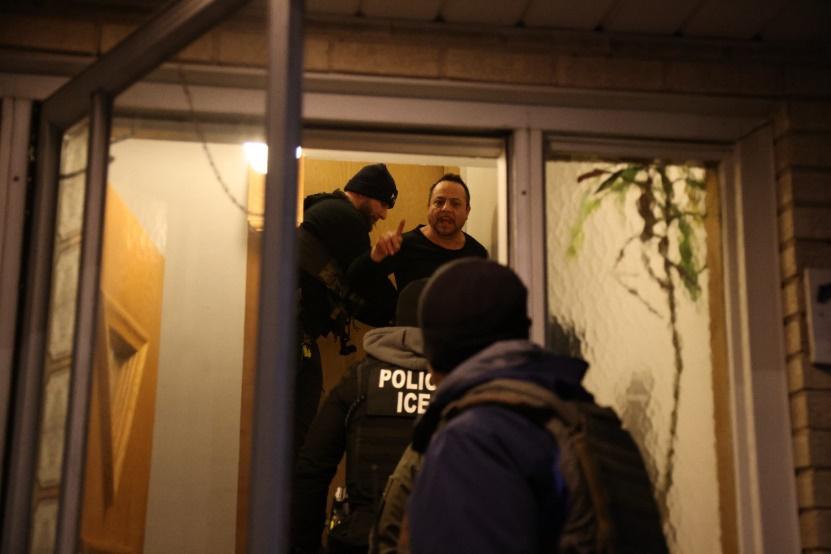
Even though the message did not contain an explicit threat the situation later escalated. Several months after the email was sent federal agents from Homeland Security Investigations became involved. They visited his home while he was not present. His wife was at the residence and the agents left a written warning notice. This notice suggested that the email may be considered a violation involving threats against federal officials.
This action immediately raised public attention. Many people were surprised that a strongly worded email could lead to a federal investigation. Supporters of Streever argued that the message was simply free speech. They believe that expressing anger toward government agencies should not be treated as a criminal threat unless there is clear intent to cause harm.
On the other hand some officials defended the investigation. They stated that all messages that may suggest harm toward federal employees must be reviewed carefully. According to their position even indirect or emotional statements can sometimes be linked to real world risks. This is why the message was flagged and reviewed.
The situation became more serious when agents later tracked Streever to a hotel in New York City. He had been traveling outside the country and returned later. Reports say that federal agents contacted the hotel and left a business card for him. Hotel staff informed him about the visit. This part of the incident increased public debate even more because it showed that the investigation was still active after several months.
As news spread many civil rights advocates began speaking about the case. They argued that the government action could have a chilling effect on free speech. A chilling effect means people may become afraid to express opinions because they fear investigation or punishment. According to these critics the case sets a worrying example if harsh words alone can trigger federal action.
Legal experts also joined the discussion. They explained that US law draws a line between protected speech and true threats. Protected speech includes opinions criticism and emotional statements. A true threat is a statement that a reasonable person would interpret as a serious intent to harm someone. The challenge in this case is whether the email crossed that legal line or stayed within free speech protection.
Another important part of the debate is the context of online communication. In modern times many people send emotional messages through email and social media. Government agencies have become more sensitive to possible threats because there have been real cases of online messages leading to violence. This has caused authorities to act more quickly even when messages are not direct threats.
In the David Streever case supporters of the investigation say that federal agencies are simply being cautious. They argue that it is better to check suspicious messages early rather than ignore them. They believe that warning notices are a preventive step and not a criminal accusation.
However critics disagree and say that the response was too aggressive. They point out that sending agents to a home and hotel creates fear even if no crime has been proven. They also question why a warning notice was delivered instead of a simple phone call or email response.
As of the latest updates no criminal charges have been publicly confirmed against David Streever. This means that while the investigation has taken place it has not yet resulted in formal prosecution. Authorities have also not fully explained what specific part of the email triggered the warning level response.
This lack of clear explanation has added to public confusion. Some people believe the case may eventually be closed without charges. Others believe it could develop further depending on internal review of federal guidelines.
The case also highlights a larger issue in American society about the balance between security and free expression. Government agencies are responsible for protecting officials and preventing threats. At the same time citizens have the right to criticize government actions and express anger without fear of punishment.
Finding the balance between these two principles is not always easy. The Streever case shows how quickly a written message can turn into a legal and political issue. It also shows how digital communication is changing the way law enforcement monitors potential risks.
Another important aspect is how public perception shapes such cases. Once news of the warning notice became public many opinions formed quickly. Some media outlets focused on the emotional language of the email while others focused on the government response. This created two very different narratives about the same event.
One narrative presents Streever as someone who crossed a line with aggressive language toward federal officials. The other narrative presents him as a citizen whose speech was protected but who was treated as a potential threat without sufficient reason. Both sides continue to debate the meaning of the case.
In similar past cases courts have often ruled that speech must include a clear and immediate threat to be considered illegal. Emotional criticism alone is usually protected under the First Amendment. However every case depends on specific wording context and intent. That is why investigations like this can take time and careful review.
For now the David Streever ICE warning email case remains open in public discussion. There is no final legal outcome announced. The story continues to attract attention because it sits at the intersection of law enforcement caution and free speech rights.
Many observers believe this case may influence future guidelines for how federal agencies respond to online criticism. It could lead to clearer rules about when a message becomes a threat and when it is simply protected speech.
In conclusion the David Streever ICE warning email case is more than just a single incident. It reflects a larger national conversation about communication security and civil liberties. While authorities focus on preventing possible risks critics focus on protecting free expression. The final outcome of this case may help define where the line is drawn in future similar situations.
As of now the investigation has not led to charges and the discussion continues. The case remains an important example of how a single email can grow into a nationwide debate about freedom rights and government response in the digital age.