
Two Leaders One City and a World Watching
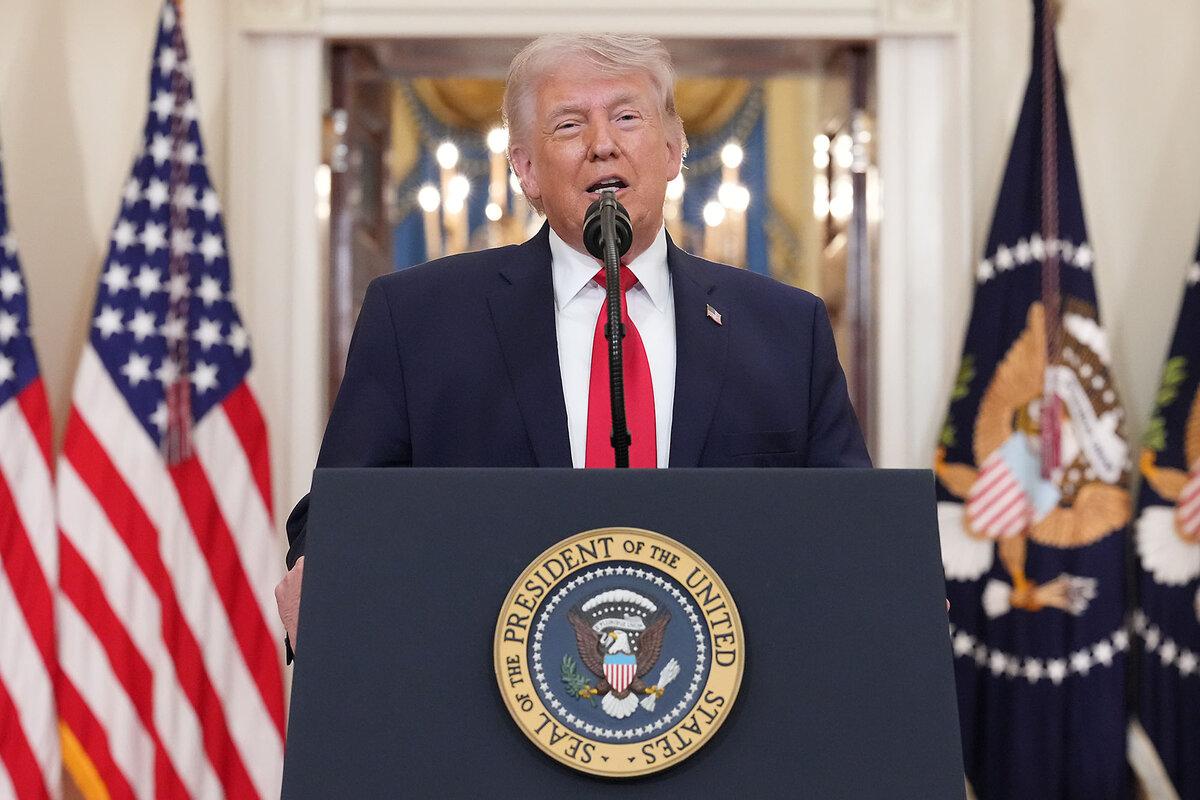
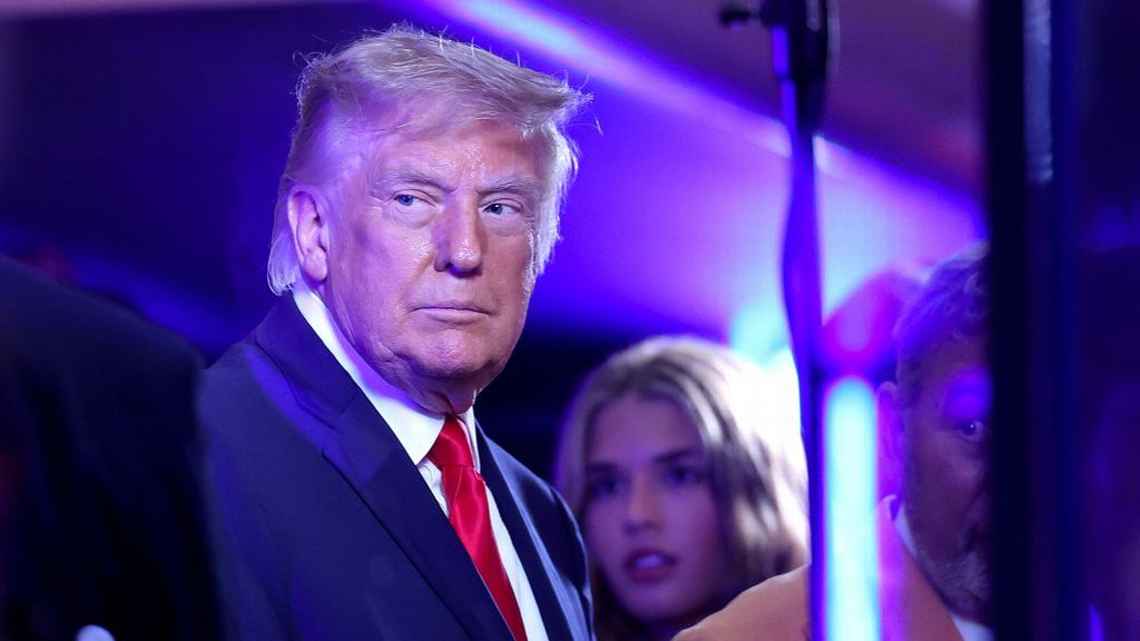
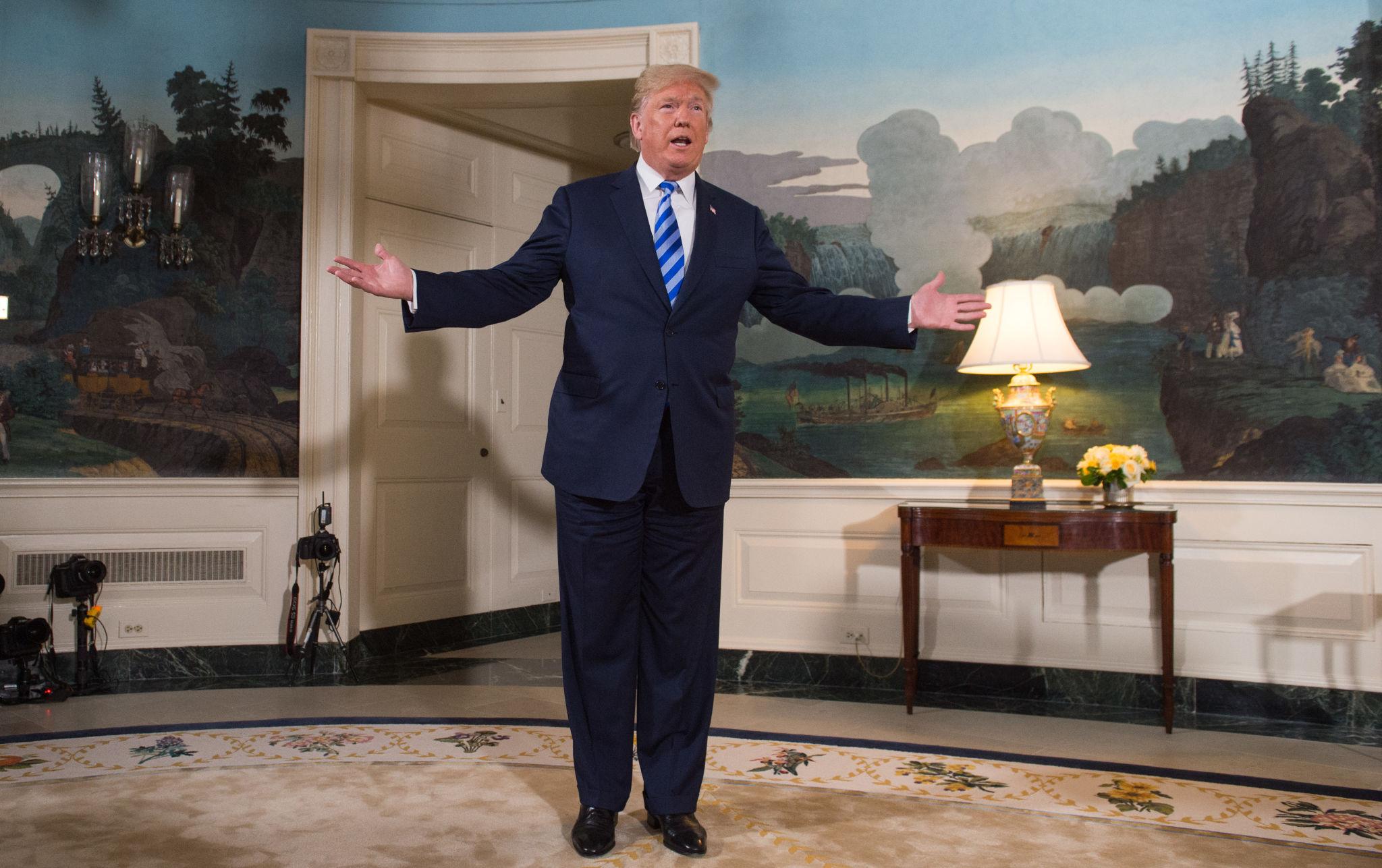
Some moments in international politics feel bigger than ordinary headlines. Donald Trump arriving in Beijing is one of those moments. His visit brings the leaders of the United States and China together at a time when relations between the two countries remain under serious pressure.
The meeting is not expected to solve every disagreement between Washington and Beijing. The two nations have major differences involving trade technology national security Taiwan and global influence. These issues have developed over many years and cannot be settled in a single meeting.
Still the importance of this visit cannot be ignored.
When the leaders of two of the world’s most powerful countries sit down together the effects can reach far beyond their borders. Financial markets can react to political developments. Businesses can change their plans. Other governments can adjust their policies. Ordinary people can also feel the impact through prices jobs and energy costs.
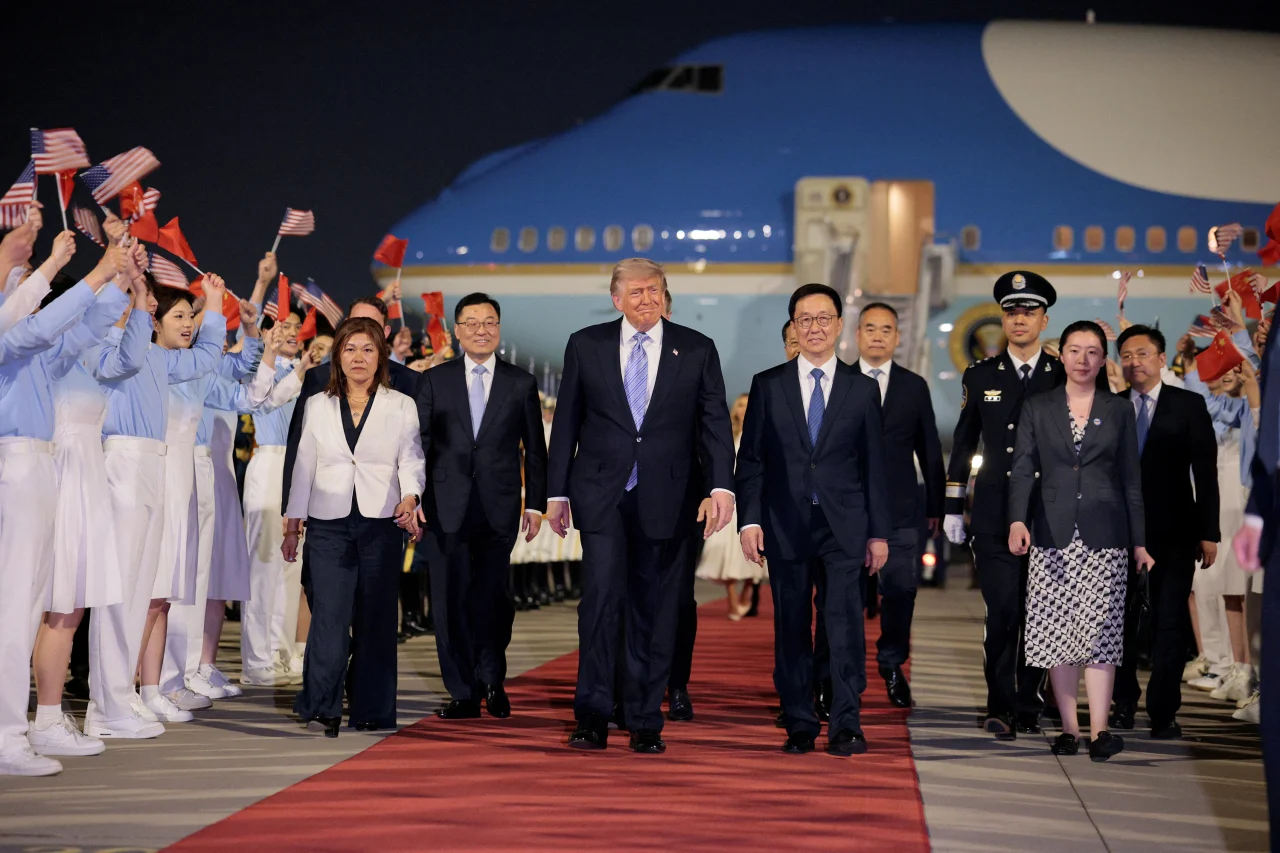
The arrival ceremony in Beijing sent a strong message. Hundreds of Chinese children stood near the airport waving flags. A red carpet was prepared for the American president. Cameras followed the event closely.
The welcome was friendly and carefully organised.
Behind the ceremony however are difficult issues that require serious negotiations.
Why Trump’s China Visit Matters
Trump’s visit comes during one of the most complicated periods in modern US China relations.
The United States and China have been involved in a major trade dispute. American tariffs on Chinese goods have placed pressure on Chinese exporters. Beijing has responded with its own trade measures.
The dispute has created uncertainty for businesses in both countries.
Companies have faced higher costs and supply chain problems. Businesses also have had to make decisions without knowing how trade policies may change in the future.
The effects can spread across the global economy because the United States and China play major roles in international trade.
The rare earth issue has created another important challenge.
China has a dominant position in the processing of rare earth materials. These materials are important for many modern technologies. They are used in electric vehicles electronics advanced equipment and defense systems.
Restrictions on rare earth exports have therefore created concern in Washington.
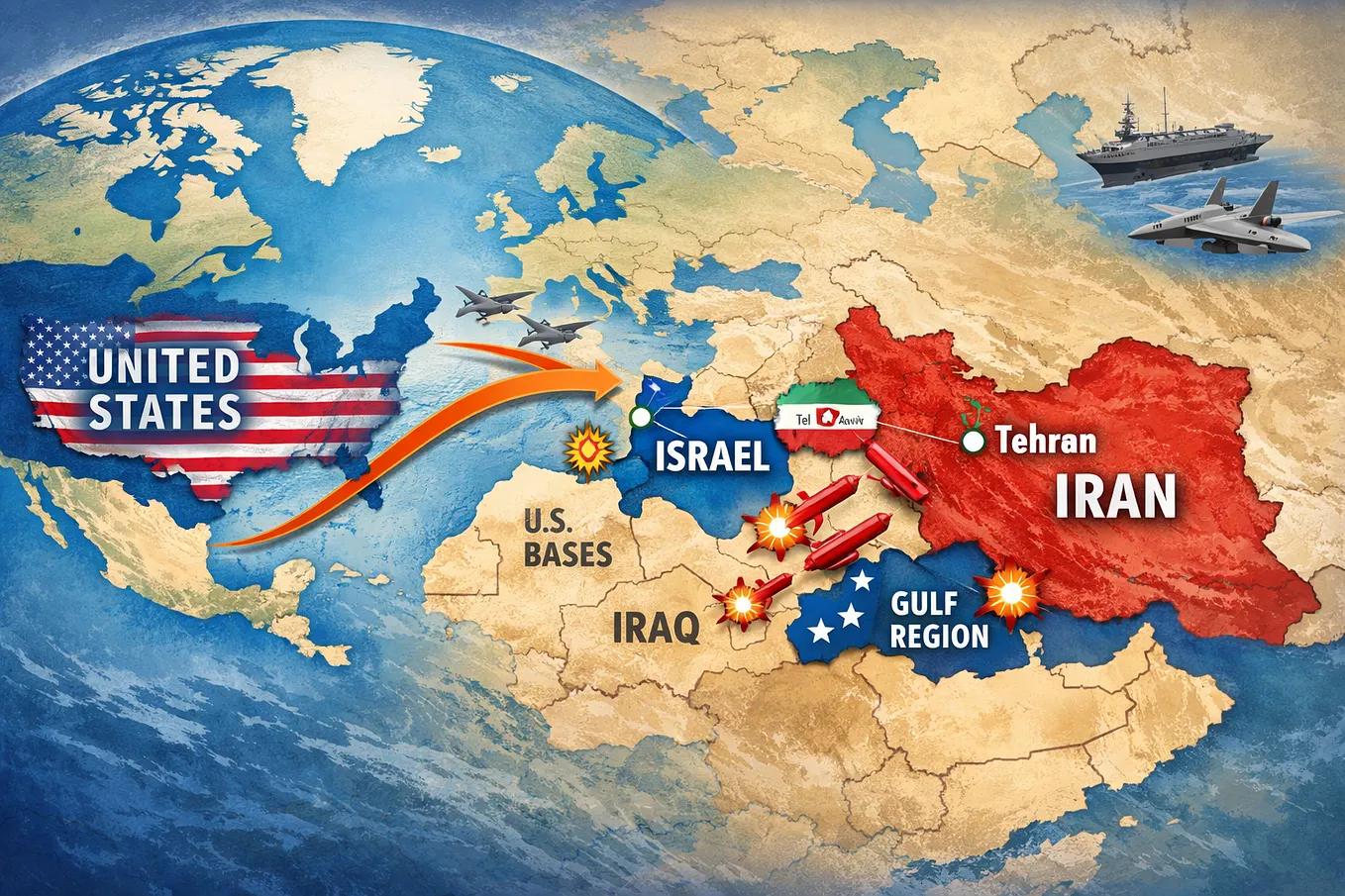
At the same time the situation involving Iran and the Strait of Hormuz has added another challenge.
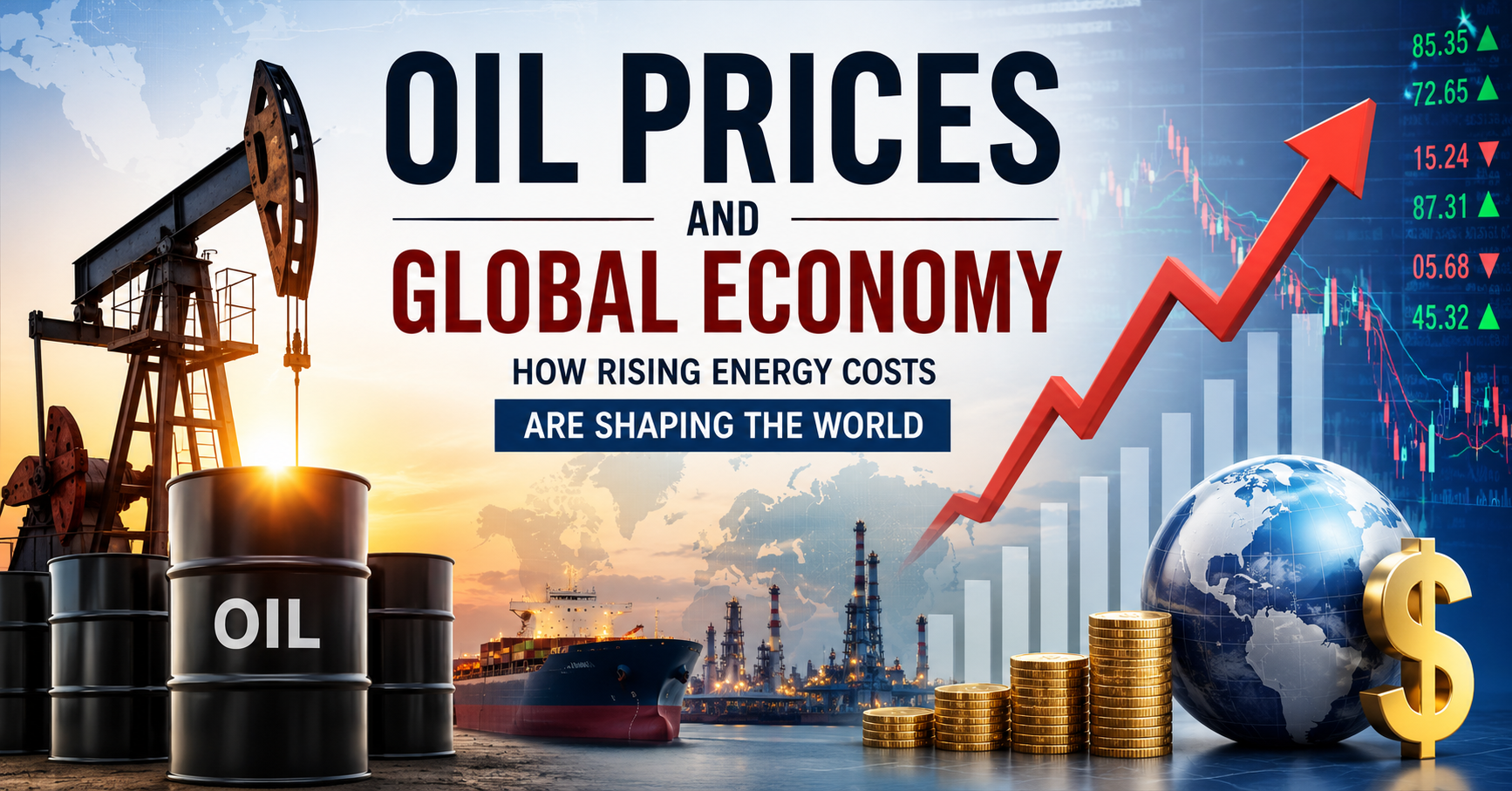
The Strait of Hormuz is an important route for global oil shipments. Any major disruption can affect energy prices and transportation costs around the world.
China also has important economic connections with Iran. This gives Beijing influence that Washington may want to use as part of efforts to reduce tensions.
Trump therefore arrives in Beijing with several major issues that require attention.
Trump Wants a Strong Result
Donald Trump is known for focusing on negotiations and visible results.
A successful agreement with China would give the American president something important to present to the public. It could also help reduce pressure on American businesses and consumers.
Trade is expected to be one of the biggest subjects.
Trump could seek stronger Chinese purchases of American products. Agricultural goods may become an important part of the discussion.
American farmers have faced uncertainty because of trade tensions with China. Greater Chinese demand for American agricultural products could create new opportunities for producers.
Another possible area of discussion is a formal system for handling trade disagreements.
Such a system could give Washington and Beijing a direct way to communicate when new problems appear.
Instead of allowing every disagreement to become a public confrontation the two governments could have a channel for negotiations.
For businesses this kind of stability can be extremely valuable.
Companies need predictable rules. They need to know where products can be sold and where supplies will come from.
A more stable relationship could therefore provide benefits beyond the political world.
Xi Jinping Has a Different Approach
Xi Jinping enters the meeting with his own priorities.
China has spent years building its economic and technological strength. Beijing has also shown that it is willing to use its economic influence when dealing with Washington.
Rare earth materials are one example.
China’s strong position in rare earth processing gives Beijing an important advantage. The United States wants reliable access to these materials. Building alternative supply chains would take time.
Xi understands the importance of this position.
China is therefore unlikely to make major concessions without expecting something in return.
This creates an important difference between the two leaders.
Trump often prefers quick and visible results.
Xi is known for taking a longer strategic view.
That difference could become one of the most important factors during the negotiations.
The Biggest Issues on the Table
The meeting involves several subjects that could shape the future relationship between the United States and China.
Trade and Economic Relations
Trade remains the central economic issue.
Trump is likely to seek a deal that increases Chinese purchases of American goods and reduces some of the pressure created by tariffs.
Important areas of discussion could include
• Trade agreements
• American agricultural exports
• Tariff reductions
• Supply chain stability
• A formal trade management system
A meaningful trade agreement could provide benefits for businesses in both countries.
It could also help calm concerns in international markets.
For consumers the biggest benefit could be greater price stability. For companies the benefit could be a more predictable environment for investment and production.
Rare Earth Materials
Rare earth materials are another major issue.
China has a powerful position in the global rare earth industry. These materials are needed for many advanced technologies.
They are especially important for
• Electric vehicles
• Advanced electronics
• Semiconductors
• Military equipment
• Modern energy systems
The United States wants greater security in its supply of these materials.
Trump could seek guarantees that exports will continue without sudden restrictions.
China however has little reason to give away this advantage without receiving something in return.
This makes rare earth materials an important bargaining point for Beijing.
The issue is also part of a larger competition over technology and economic security. Both countries understand that control over important supply chains can create significant strategic influence.
Taiwan Remains a Major Concern
Taiwan is likely to be one of the most sensitive subjects during the meeting.
China considers Taiwan part of its territory. Taiwan has its own government and democratic political system.
The United States has maintained a complicated relationship with Taiwan for decades. Washington supports Taiwan’s security while maintaining diplomatic relations with Beijing.
This delicate balance has helped avoid a direct confrontation for many years.
However tensions around Taiwan remain serious.
Beijing wants Washington to reduce its support for Taiwan. China also opposes American arms sales to the island.
The United States must consider its wider security relationships in Asia.
Japan and South Korea are watching the situation closely.
Any major change in American policy toward Taiwan could have consequences across the region.
For that reason Trump will need to handle the issue carefully.
A trade agreement may be important but Taiwan is connected to much larger questions about security and global power.
Iran and the Strait of Hormuz
Iran adds another difficult subject to the summit.
The Strait of Hormuz is a critical route for global energy supplies. Disruption in the region can quickly affect oil prices and transportation costs.
The United States wants China to use its relationship with Iran to help reduce tensions.
China has strong economic connections with Tehran. It also buys significant amounts of Iranian oil.
This gives Xi an important position.
Trump may ask Beijing to use that influence.
The question is whether China will be willing to do so.
China will consider its own economic and strategic interests before making any major decision.
If Beijing becomes involved in efforts to reduce tensions involving Iran the impact could extend far beyond the US China relationship.
Artificial Intelligence and Technology
Technology is becoming another major area of competition.
The United States and China are both investing heavily in artificial intelligence.
Both countries want to remain leaders in advanced technology.
AI could transform business education healthcare defense and many other parts of society.
The competition however also creates risks.
Without communication between Washington and Beijing there could be greater chances of misunderstanding.
The two countries may not agree on how artificial intelligence should be developed.
They may also disagree about regulations and national security.
Still even basic communication could be useful.
A framework for dialogue would not solve the technology competition.
It could however create a channel for discussing future risks.
The World Is Watching
The meeting is being followed closely by governments around the world.
European countries want to know whether the trade conflict will become worse or begin to cool.
Japan and South Korea are watching discussions about Taiwan and regional security.
Oil importing nations are paying attention to developments involving Iran and the Strait of Hormuz.
Businesses are also watching carefully.
A stronger relationship between Washington and Beijing could improve confidence in international trade.
A new confrontation could create more uncertainty.
The result of this meeting could therefore affect countries that are not directly involved.
For many governments the main concern is stability.
A calmer relationship between the world’s two largest economies could give businesses greater confidence and could reduce some of the uncertainty affecting global markets.
What Could Come From the Summit
Expectations should remain realistic.
A single summit cannot solve every disagreement between the United States and China.
The two countries have major differences over
• Trade
• Technology
• Taiwan
• National security
• Global influence
• Economic policy
These problems will not disappear after two days of meetings.
However smaller agreements could still be meaningful.
Possible results could include
• More Chinese purchases of American agricultural products
• Progress on rare earth exports
• A new system for managing trade disputes
• More communication about artificial intelligence
• A joint effort to reduce tensions involving Iran
These may not sound like historic achievements.
But after months of tension even limited progress could make a difference.
A smaller agreement that both governments actually follow could be more valuable than a large announcement that produces little action.
What Happens After the Meeting
The real test will begin after the leaders leave Beijing.
Trump will likely describe any agreement as an important achievement. Xi will present the outcome to the Chinese public as evidence that Beijing negotiated from a position of confidence.
Both leaders will have their own political reasons for presenting the meeting positively.
That is normal in international diplomacy.
The important question is whether the agreements produce real results.
Promises must become policies.
Policies must produce action.
If both governments follow through then the summit could become an important turning point.
If they do not then the ceremony could eventually be remembered as another temporary moment of cooperation.
That is why the period after the summit may be just as important as the meeting itself.
A Possible Turning Point for the World
The United States and China do not need to become allies.
They do however need a stable relationship.
The global economy is already dealing with uncertainty. Countries are facing wars energy problems trade disputes and rising economic pressure.
Another major confrontation between Washington and Beijing would make the situation even more difficult.
That is why this meeting matters.
A successful summit does not need to solve everything.
It only needs to create a better path forward.
If Trump and Xi can reduce trade tensions businesses could gain more confidence.
If they can improve communication about Taiwan they could reduce the risk of dangerous misunderstandings.
If China can help reduce tensions involving Iran the impact could reach global energy markets.
If the two countries can begin serious communication about artificial intelligence they may also reduce future technology risks.
The arrival ceremony may have lasted only a short time.
The handshakes may have lasted only seconds.
But the decisions made behind closed doors could influence international politics and the global economy for years.
The cameras have captured the historic arrival.
The formal welcome is over.
Now the real negotiations begin.
The world will be watching every decision.
For Trump the goal will be a deal that he can call a victory.
For Xi the goal will be protecting China’s interests while showing that Beijing can negotiate with Washington on its own terms.
For everyone else the hope is simple.
Less tension.
More stability.
And a relationship between the world’s two most powerful countries that does not push the global economy toward another major crisis.