
Overview
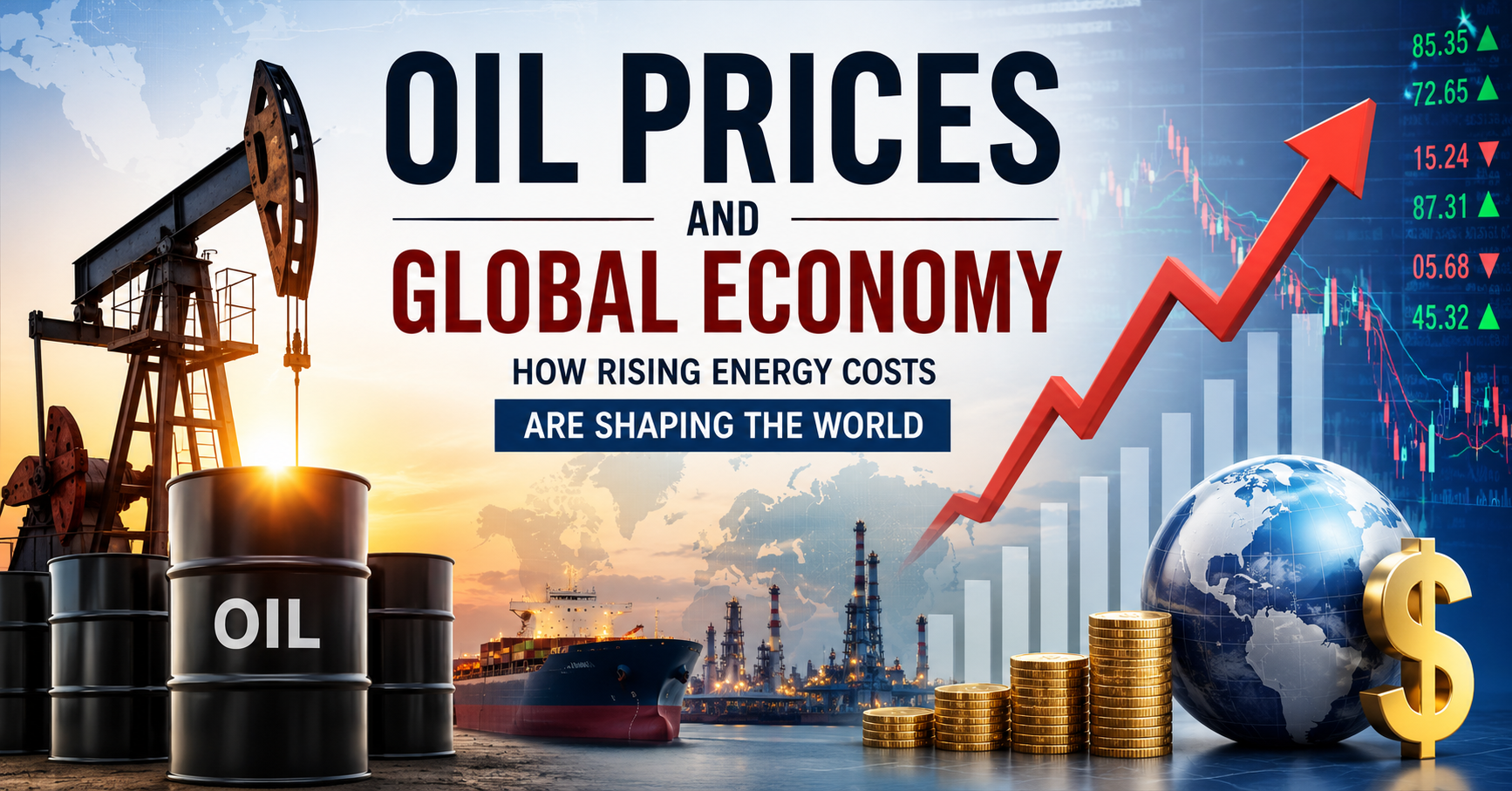
The ongoing global energy crisis has exposed a critical weakness in many developing countries: extremely limited oil reserves. As global supply chains tighten and prices remain unstable, nations with small or no strategic fuel buffers are facing severe economic pressure.
Why Oil Buffers Matter
- Oil buffers (strategic petroleum reserves) help countries manage supply shocks
- They stabilize fuel prices during crises or geopolitical disruptions
- Developed countries often maintain months of emergency reserves
- Many developing nations have only weeks—or even days—of запас
Key Challenges for Developing Nations
- Heavy dependence on imported oil
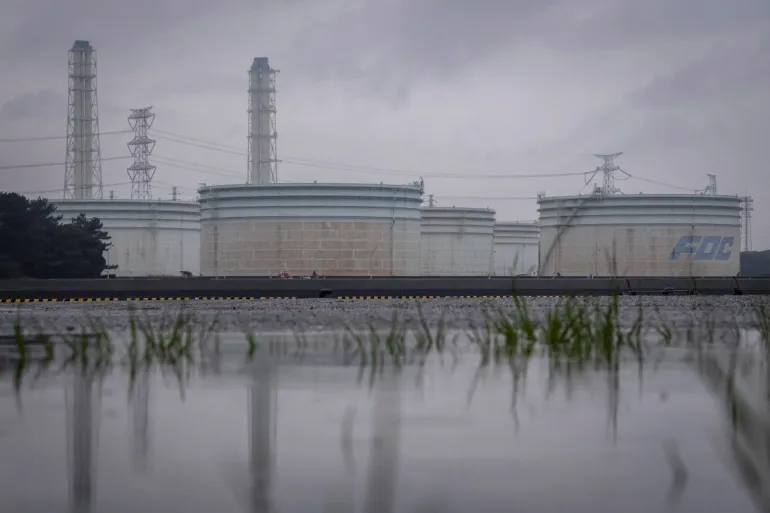
- Limited storage infrastructure for fuel reserves
- High exposure to global price fluctuations
- Weak fiscal capacity to subsidize fuel during crises
Economic Impacts
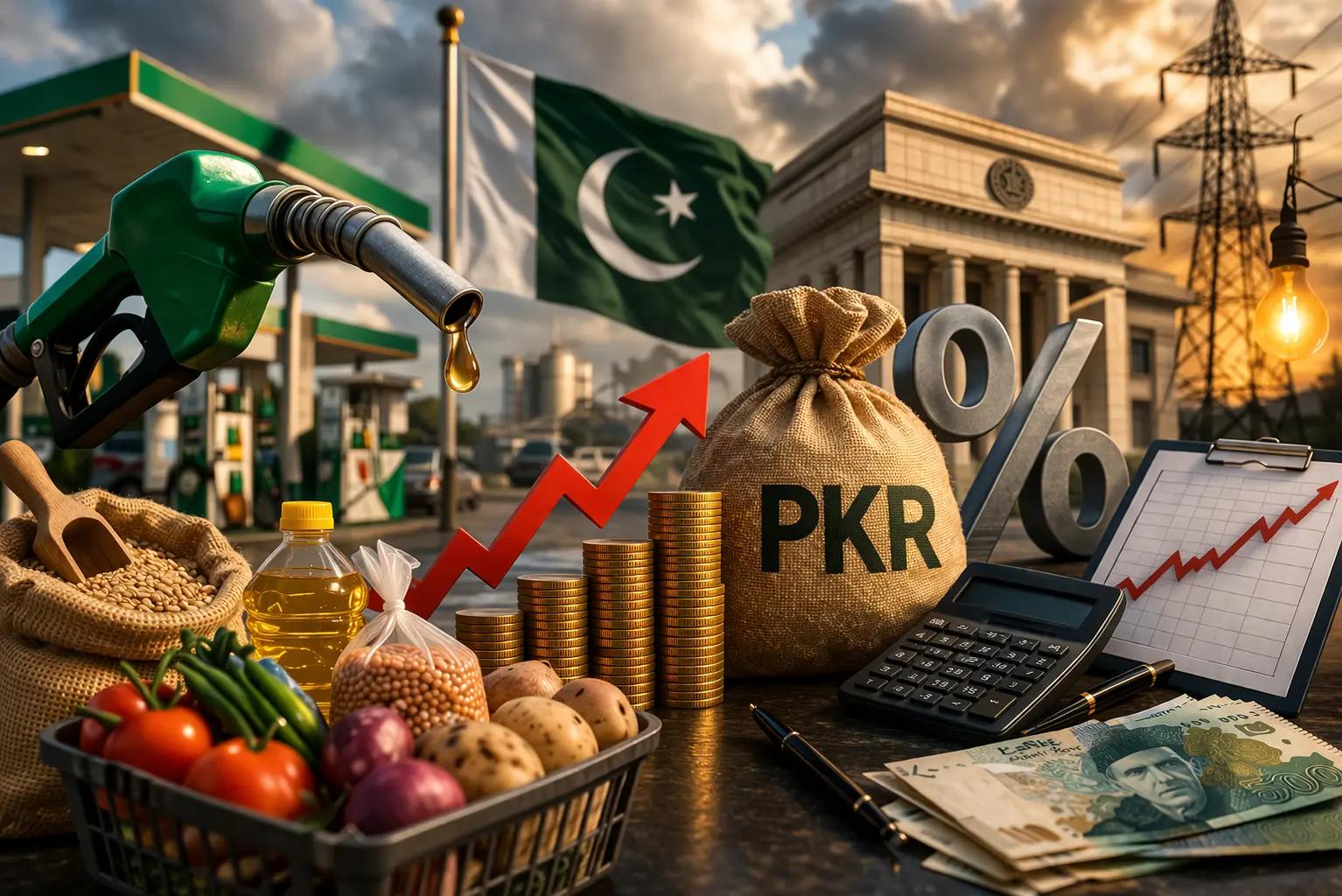
- Rising transport and food costs due to fuel price hikes
- Inflation increases across essential goods
- Pressure on government budgets and foreign exchange reserves
- Risk of power shortages in fuel-dependent electricity systems
Global Triggers Worsening the Situation
- Disruptions in major shipping routes and oil transit chokepoints
- Volatile global crude oil prices
- Reduced global inventories acting as “shock absorbers”
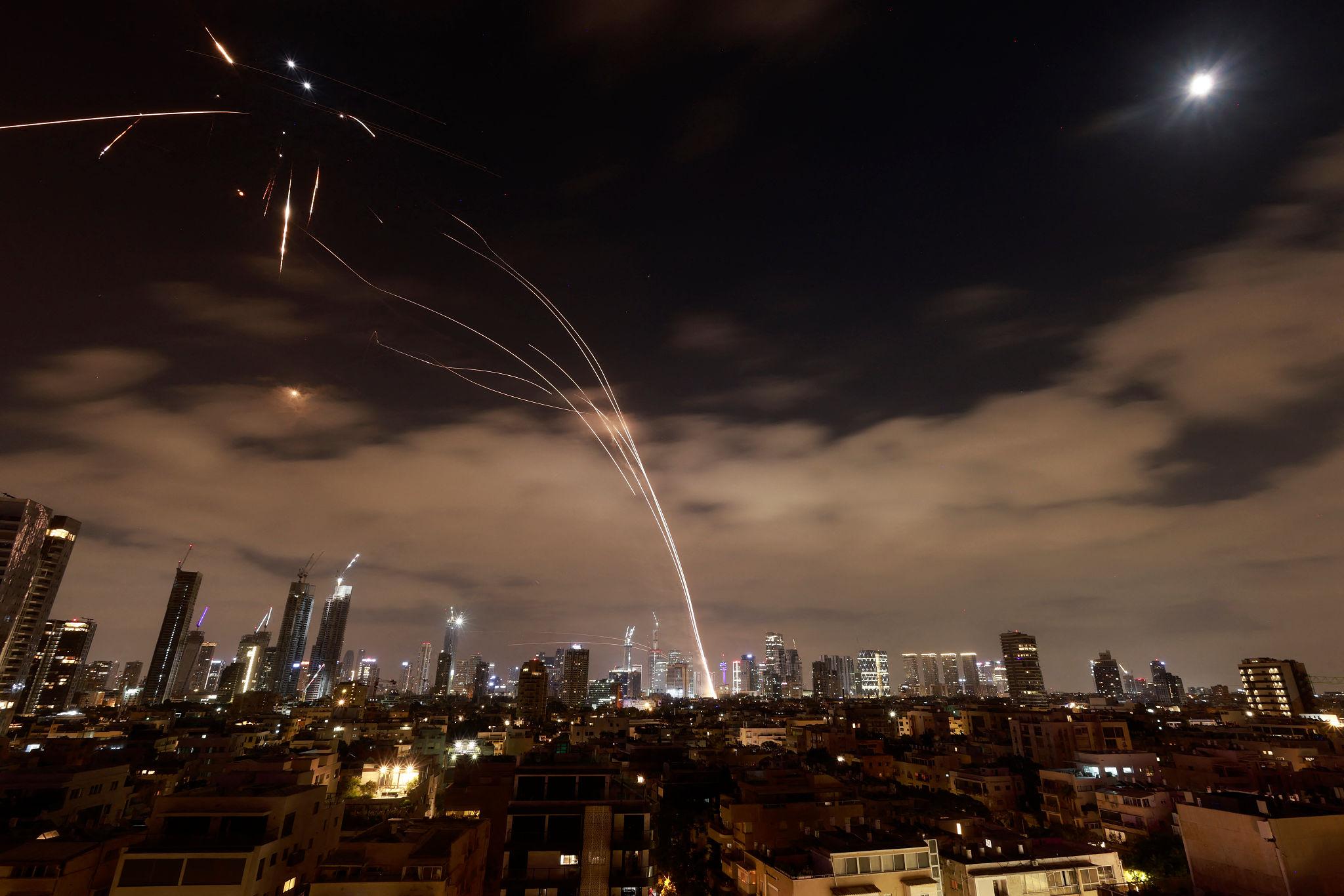
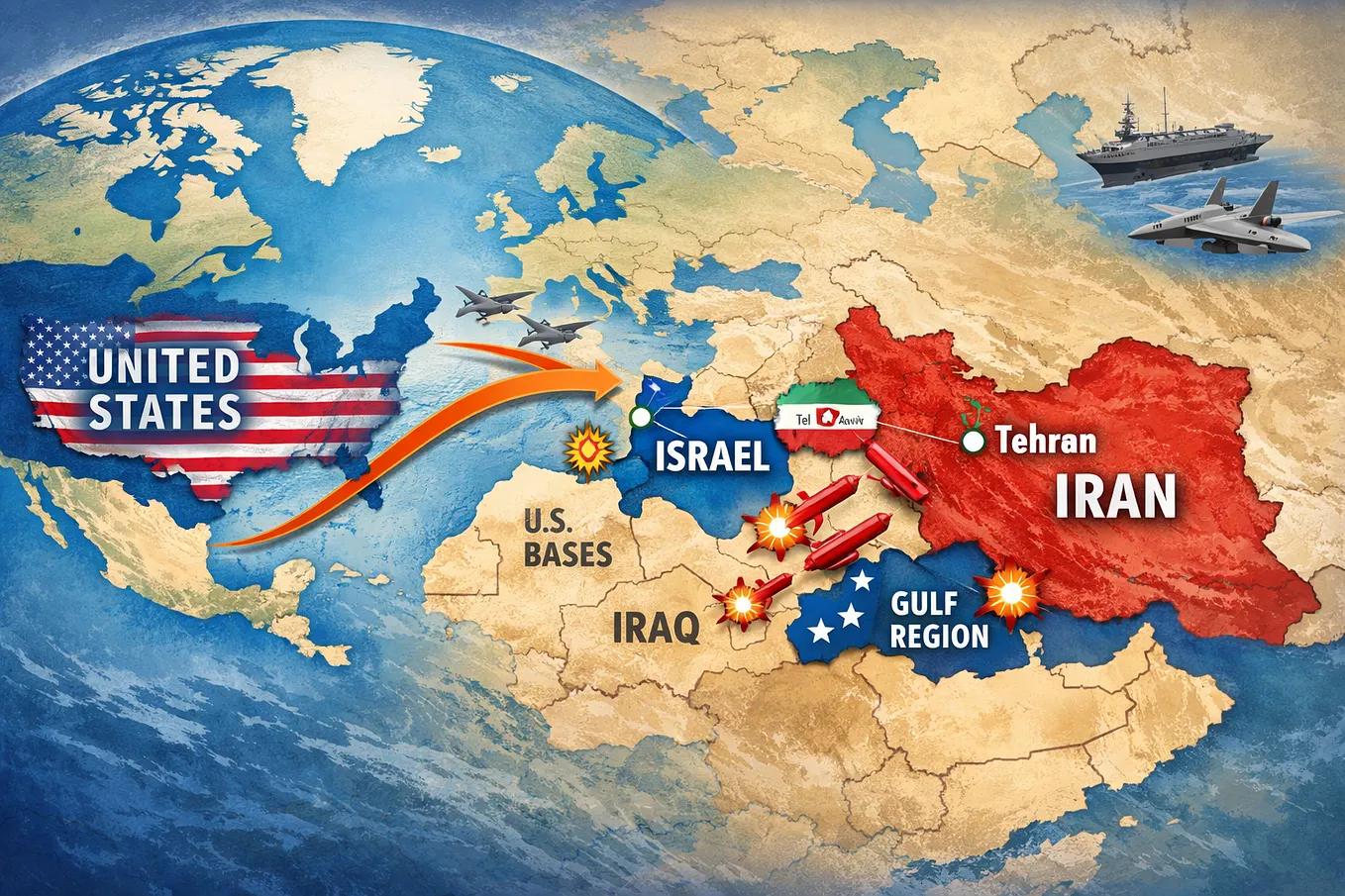
- Geopolitical tensions affecting supply stability
Long-Term Implications
- Increased push toward renewable energy investments
- Growing interest in regional energy cooperation agreements
- Expansion of national fuel storage infrastructure
- Greater focus on energy independence policies