
The West Country is facing one of the hottest periods in recent years. Very high temperatures are affecting daily life across many areas. Schools are making changes to protect students and teachers from dangerous heat conditions. Many parents are worried about their children because classrooms can become very hot during the day.
Heatwaves are becoming more common in the United Kingdom. Schools are now preparing better plans to keep everyone safe. School leaders are changing schedules and reducing outdoor activities. These actions help lower the risk of heat related illnesses.
Many schools in the West Country have decided to shorten the school day. Some schools are allowing students to go home earlier than usual. This helps children avoid the hottest hours of the afternoon. Teachers are also reminding students to drink water throughout the day.
The main reason for these changes is student safety. Young children are more sensitive to extreme temperatures. Their bodies can become overheated faster than adults. This can lead to tiredness headaches dizziness and dehydration.
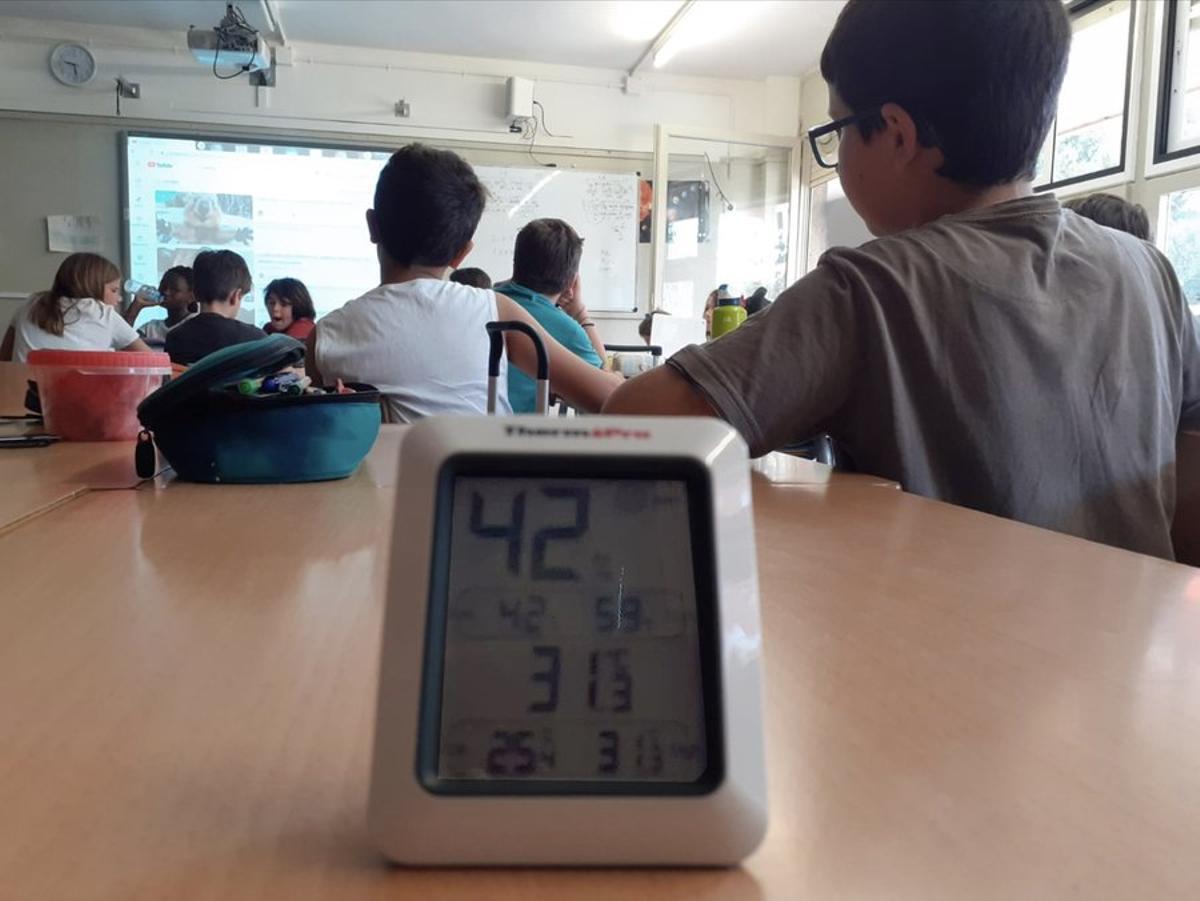
Many school buildings in the United Kingdom were built many years ago. These buildings were designed to keep heat inside during winter. They were not built to handle very high temperatures during summer. As a result classrooms can become uncomfortable and unsafe.
Teachers have noticed that students find it harder to focus when temperatures rise. Children may become sleepy and lose concentration during lessons. This can affect their learning and their health. Schools want to create a safe environment where students can still learn comfortably.
Parents are also playing an important role during this heatwave. Schools are sending messages to families with safety advice. Parents are being asked to make sure their children bring water bottles every day. They are also encouraged to apply sunscreen before children leave home.
Some schools have relaxed uniform rules. Students are allowed to wear lighter clothing instead of heavy uniforms. This simple change helps children stay cooler throughout the day. Schools understand that comfort is important during extreme weather.
Outdoor sports and physical education classes have been reduced in many schools. Running and playing in direct sunlight can quickly cause exhaustion. Teachers are moving activities indoors whenever possible. This helps students avoid unnecessary exposure to dangerous temperatures.
Playtimes are also changing. Instead of spending long periods outside students are staying in shaded areas or inside classrooms. Schools are trying to create cooler spaces where children can rest and relax.
Water has become one of the most important parts of school safety plans. Teachers remind students to drink water regularly even if they do not feel thirsty. Staying hydrated helps the body control temperature and prevents dehydration.
Schools are also checking classroom temperatures throughout the day. If rooms become too hot teachers may move lessons to cooler areas. Libraries halls and shaded spaces can provide better conditions for learning.
Many parents support these decisions because they understand the risks of extreme heat. Families want schools to place health before normal routines. Early closures may create small inconveniences but protecting children is the top priority.
Teachers are also affected by the heatwave. It can be difficult to teach in very hot classrooms for many hours. Staff members need regular breaks and enough water to stay healthy. Schools are working together to support both teachers and students.
Health experts warn people to watch for signs of heat exhaustion. Some common signs include dizziness headaches weakness sweating and confusion. If someone shows these symptoms they should move to a cooler place and drink water immediately.
Children may not always realize when they are becoming overheated. That is why teachers and parents must pay close attention. Adults should encourage children to rest when they feel tired.
The recent heatwave is also raising questions about the future of school buildings. Many experts believe schools need modern improvements. Better ventilation systems could help classrooms stay cooler. More trees around school grounds could provide natural shade.
Some schools are considering long term solutions. Installing blinds and improving insulation may help reduce indoor temperatures. These changes could make schools safer during future heatwaves.
Climate experts say that extreme weather events may become more frequent in the coming years. Schools need to prepare for these challenges now. Building stronger safety plans will help protect future generations of students.
Technology is also helping schools during heatwaves. Many schools use mobile apps and email systems to communicate quickly with parents. Families can receive updates about early closures and schedule changes in real time.
Communication is very important during emergency situations. Parents need clear information so they can arrange transportation and childcare if necessary. Schools are trying to provide updates as early as possible.
Local communities are also supporting schools. Some organizations provide extra water and cooling equipment. Volunteers may help during special events to keep children safe.
The heatwave has also started discussions about balancing education and safety. Schools want students to continue learning but health must always come first. Flexible schedules allow schools to maintain both goals.
Students are learning valuable lessons during this period. They are becoming more aware of how weather can affect health. They are learning the importance of hydration rest and personal care.
Parents can also teach children simple heat safety habits at home. Drinking water wearing hats and staying in the shade are useful habits that can protect them every summer.
Experts suggest that families avoid outdoor activities during the hottest hours of the day. Early mornings and evenings are safer times for exercise and play. This reduces the risk of overheating.
Good sleep is also important during a heatwave. Warm nights can make it difficult to rest properly. Parents can help by keeping bedrooms cool and encouraging children to drink water before bed.
Schools are reminding everyone that heat should never be ignored. Even healthy children can become sick if they spend too much time in high temperatures. Prevention is always the best solution.
The current West Country heatwave is showing how quickly schools can adapt during difficult situations. Early closures relaxed uniforms and indoor activities are helping thousands of students stay safe.
School leaders deserve recognition for making careful decisions under pressure. Their goal is to protect students while continuing education as much as possible.
Parents teachers and communities all have a shared responsibility. By working together they can reduce risks and support children during extreme weather events.
The West Country heatwave may only last a few days but the lessons learned will remain important for years. Schools are discovering new ways to manage changing weather patterns and improve safety measures.
Heatwaves may become a regular challenge in the future. Planning ahead will make schools stronger and more prepared. Investing in better buildings and smarter safety systems will benefit everyone.
Students should always remember that their health comes first. Drinking water staying cool and following school guidance can make a big difference.
The West Country heatwave school disruptions are a reminder that climate conditions are changing. Schools are responding with quick actions to protect young people.
As temperatures continue to rise schools across the region will keep adjusting their plans. Their efforts show that student safety is always the highest priority.
By staying informed and working together schools parents and communities can help children stay healthy and continue learning even during extreme weather conditions.