

The Sana Yousaf murder case has remained one of the most closely followed criminal cases in Pakistan since the young social media influencer was killed in Islamabad in June 2025.
Sana Yousaf was only 17 years old and had built a large audience through TikTok and other social media platforms. Her sudden death shocked her followers and sparked widespread discussions about violence against women, harassment, social media fame and the safety of young content creators.
After months of investigation and court proceedings, an Islamabad sessions court delivered its judgment on May 19, 2026.
The court convicted Umar Hayat and awarded him the death sentence for Sana Yousaf’s murder. The court also imposed additional prison terms and financial penalties under other charges. However, the death sentence still requires confirmation by the Islamabad High Court under Pakistani law.
The decision brought a major legal development to a case that had attracted enormous public attention across Pakistan.

Who Was Sana Yousaf?
Sana Yousaf was a young Pakistani social media creator who became popular through TikTok and other online platforms.
She shared lifestyle-related content, fashion posts, skincare material and videos from her daily life. Her online presence attracted a large following and made her one of the recognizable young creators in Pakistan.
Reports published after her death said she had more than one million followers across social media platforms.
Her popularity also reflected the rapid growth of digital content creation in Pakistan. For many young people, platforms such as TikTok have become important places to express themselves, build audiences and develop careers.
That is why her death affected not only her family but also thousands of people who followed her online.
What Happened to Sana Yousaf?
Sana Yousaf was shot inside her home in Islamabad’s Sector G-13/1 on June 2, 2025.
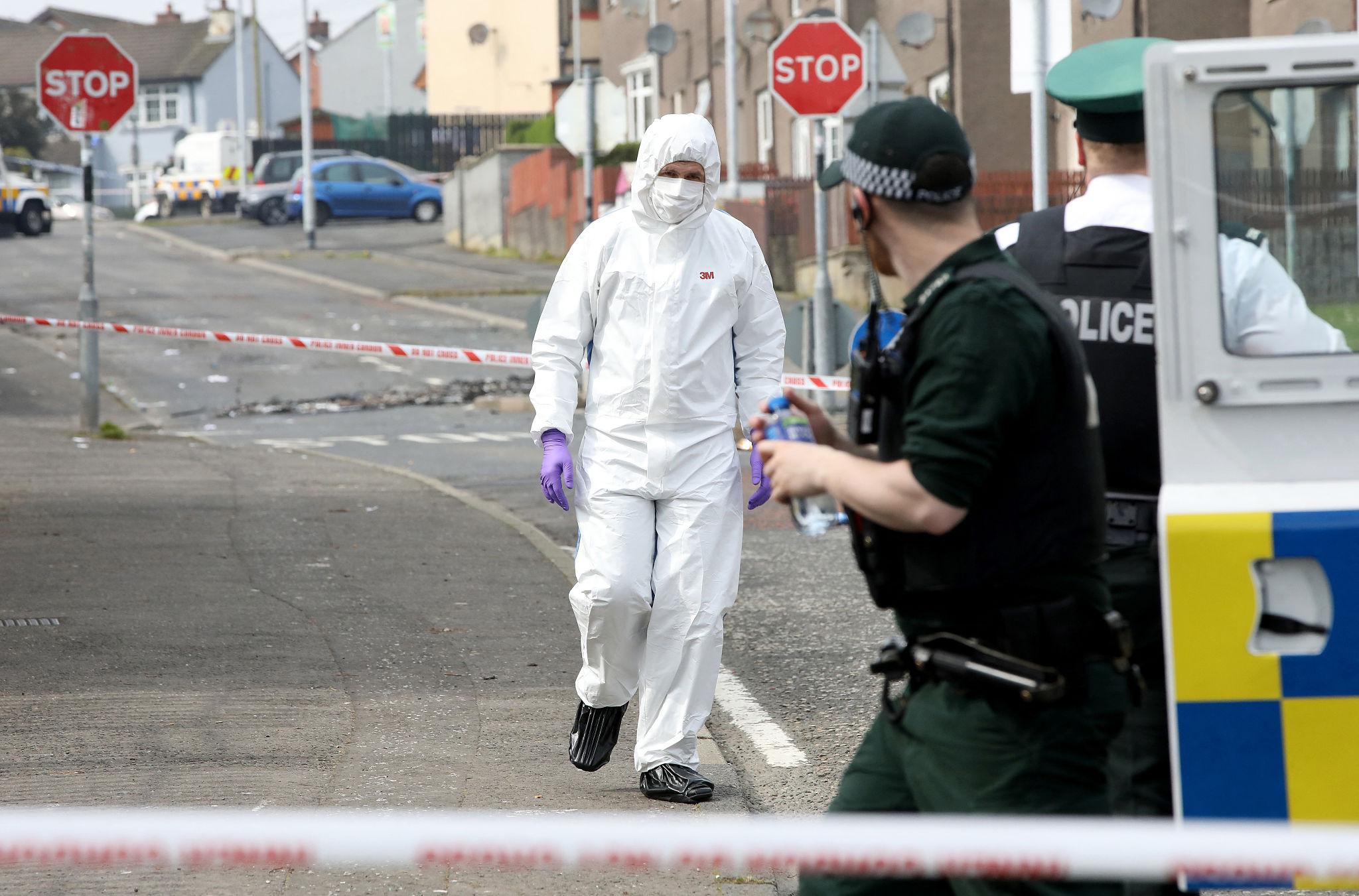
According to the prosecution’s case, Umar Hayat entered her residence and shot her. Police arrested him in Faisalabad the following day, within around 20 hours of the killing. Investigators later recovered the alleged murder weapon and gathered digital and forensic evidence during the investigation.
The investigation quickly became a major national story because of Sana’s young age and social media popularity.
Her death also led to widespread demands for justice.
How the Investigation Progressed
Police moved quickly after the murder.
Investigators examined different forms of evidence as they attempted to establish what happened inside the house and identify the person responsible.
According to details reported by state media and other news outlets, investigators used surveillance footage, social media tracking, phone-related information and forensic material during the investigation.
The investigation also involved:
- Digital evidence
- Mobile phone records
- CCTV and surveillance information
- Forensic evidence
- Witness statements
- The alleged murder weapon
- Statements recorded during the investigation
The prosecution later presented this evidence during the trial.
Umar Hayat Was Arrested Shortly After the Murder
Police arrested Umar Hayat on June 3, 2025, one day after Sana Yousaf was killed.
The arrest took place in Faisalabad after investigators traced the suspect.
During the investigation, Hayat initially gave a confessional statement before a magistrate under Section 164 of the Criminal Procedure Code.
However, this became an important issue later in the trial because Hayat eventually withdrew that confession and denied the allegations against him.
His change in position became one of the significant developments during the court proceedings.
The Accused Later Denied the Charges
As the trial moved forward, Umar Hayat denied that he had committed the murder.
In his final statement before the court, he rejected the prosecution’s allegations and claimed that he had been falsely implicated.
He also raised objections about the investigation and questioned the evidence presented against him.
The defence argued that the investigation contained problems and disputed parts of the prosecution’s case.
The court therefore had to examine the evidence from both sides before reaching its decision.
Evidence Presented Before the Court
The prosecution relied on several categories of evidence during the trial.
According to reports about the detailed judgment, investigators presented physical, forensic and digital evidence linking Hayat to the crime. The court also considered medical evidence and witness testimony.
The prosecution’s evidence included:
- Digital records
- Mobile phone information
- Fingerprint evidence
- Witness statements
- Medical evidence
- The alleged murder weapon
- Other forensic material
The detailed judgment later described the evidence against the convict as strong and found no mitigating circumstances that would justify leniency.
Court Announces Death Sentence
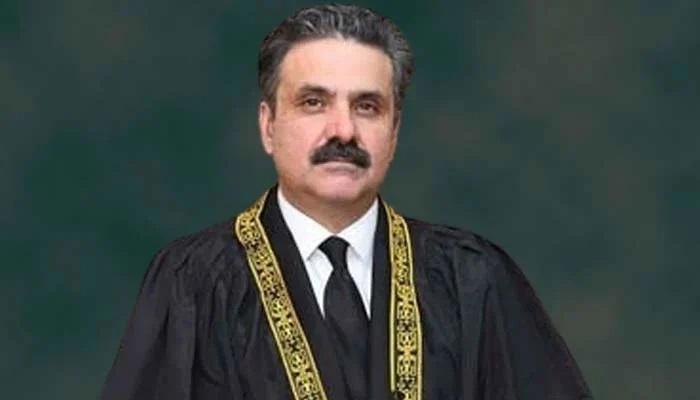
On May 19, 2026, Additional District and Sessions Judge Muhammad Afzal Majoka announced the judgment in the Sana Yousaf murder case.
Umar Hayat was convicted under Section 302(b) of the Pakistan Penal Code for intentional murder and sentenced to death.
The court also imposed other punishments under separate provisions of law.
According to the judgment reported by Dawn, the court also ordered the convict to pay Rs2.5 million in compensation to Sana Yousaf’s legal heirs.
Other sentences included 10 years for robbery and 10 years for house trespass, along with additional punishment under another provision. The sentences were ordered to run concurrently.
Main Punishments Reported in the Verdict
- Death sentence for the murder
- Rs2 million fine under the murder charge
- Rs2.5 million compensation for the victim’s legal heirs
- Additional imprisonment under robbery and house-trespass provisions
- Further punishment under a stolen-property provision
The case therefore resulted in a severe punishment after months of legal proceedings.
Why the Death Sentence Is Not Yet the End of the Legal Process
Although the trial court announced a death sentence, there is an important legal step still involved.
Under Section 374 of the Code of Criminal Procedure, a death sentence awarded by a sessions court must be submitted to the High Court for confirmation. Dawn reported that the Sana Yousaf death sentence is subject to confirmation by the Islamabad High Court.
This means websites and social media users should be careful with headlines claiming that every legal stage of the case has permanently ended.
The trial court has delivered its judgment, but the death sentence still goes through the required legal confirmation process.
Islamabad High Court Had Earlier Heard a Challenge
Before the trial court announced its judgment, the Islamabad High Court had already dealt with a petition connected to the proceedings.
In March 2026, the IHC rejected a petition filed by Umar Hayat challenging the recording of a witness statement in his absence and in the absence of his lawyer.
The High Court found no legal flaw or jurisdictional defect in the trial court’s order. It also observed that the accused’s appearance through video link was legally valid in the circumstances described in the judgment.
The development was another important stage in the long-running legal process.
Why the Case Received So Much Public Attention
The Sana Yousaf murder case became much bigger than an ordinary criminal investigation.
Several factors contributed to the huge public interest.
Sana was extremely young.
She was already well known on social media.
Her followers watched her videos regularly.
The killing happened inside her home.
And the investigation and trial continued to generate new developments.
Every major court hearing quickly spread across social media.
Major Reasons Behind Public Interest
- Sana’s young age
- Her popularity on TikTok
- The circumstances of the killing
- The quick arrest of the suspect
- Public demands for justice
- Evidence discussed during the trial
- The eventual death sentence
The case therefore remained in public discussion for many months.
Social Media and the Safety of Young Women
One of the most important discussions surrounding the case has been the safety of women and young social media creators.
Online platforms have created new opportunities for young people to build audiences and careers.
But online visibility can also bring unwanted attention.
Content creators may experience:
- Abusive messages
- Fake accounts
- Harassment
- Threats
- Stalking
- Unwanted contact
- Attempts to obtain private information
The Sana Yousaf case increased public discussion about how serious online harassment can become when warning signs are ignored.
It also raised questions about how quickly threats against women should be reported and investigated.
Social Media Fame Should Not Become a Safety Risk
Being popular online should not mean that someone has to accept harassment or intimidation.
Young creators often share parts of their lives publicly, but this does not give strangers the right to invade their privacy or threaten them.
Experts and digital safety advocates have repeatedly encouraged users to protect personal information and take online threats seriously.
Simple precautions can include:
- Keeping private information protected
- Using strong account security
- Limiting access to personal details
- Reporting threatening accounts
- Saving evidence of serious threats
- Informing trusted family members
- Contacting relevant authorities when necessary
These steps cannot prevent every danger, but they can help people respond more safely to online threats.
The Case Also Raised Questions About Online Harassment
The Sana Yousaf murder case brought renewed attention to a problem that many women experience online.
Harassment is sometimes dismissed as ordinary internet behaviour.
But repeated unwanted contact, threats and stalking can become serious safety concerns.
The case has encouraged many people to argue that complaints about harassment should be taken seriously before they develop into more dangerous situations.
This discussion is particularly important as Pakistan’s online population continues to grow.
Public Reaction After the Verdict
The death sentence produced strong reactions across Pakistan.
Many people welcomed the court’s decision and said the punishment reflected the seriousness of the crime.
Sana’s family also expressed their views after the judgment and thanked those who supported them during the legal process. Geo News reported that her family described the decision as an important step toward justice.
At the same time, the verdict renewed conversations about women’s safety and the responsibility of society to take threats and harassment seriously.
For many of Sana’s followers, the court decision was an emotional moment because they had followed her content before her death.
What the Case Means for Pakistan
The Sana Yousaf murder case has become an important example of how crime, social media and public opinion can intersect.
It shows how quickly a local criminal case can become a national issue when the victim has a large online following.
It also demonstrates how digital evidence can become an important part of a modern criminal investigation.
But perhaps the biggest lesson is about safety.
Social media has changed the way people communicate, work and build careers. As this digital culture grows, stronger awareness about privacy, harassment and personal security becomes increasingly important.
A Wider Conversation About Women’s Safety
The case also renewed public debate about violence against women in Pakistan.
Women’s rights groups and social media users have repeatedly called for better protection and faster responses to complaints involving threats and harassment.
The goal should not only be punishment after a tragedy.
Prevention is equally important.
People need to understand that stalking, intimidation and threats should not be treated as harmless behaviour.
Authorities also need effective systems through which serious complaints can be reported and investigated.
What Happens Next?
The Islamabad sessions court has delivered its judgment, but the legal process concerning the death sentence does not necessarily end there.
The death sentence must be submitted to the Islamabad High Court for confirmation under the relevant legal procedure.
That means future developments in the case could involve further court proceedings.
For readers following the Sana Yousaf murder case, it is important to rely on confirmed court reports rather than social media rumours.
Final Thoughts
The Sana Yousaf murder case has deeply affected people across Pakistan.
A young social media creator who had built a large online following lost her life in a shocking incident that quickly became a national story.
After a lengthy investigation and months of court proceedings, an Islamabad sessions court convicted Umar Hayat and sentenced him to death on May 19, 2026. The court also imposed additional punishments and financial penalties.
The judgment represents an important legal development for Sana’s family and supporters.
At the same time, the death sentence remains subject to confirmation by the Islamabad High Court, so it is more accurate to describe the sessions court decision as the trial court’s verdict rather than the absolute final end of the case.
Beyond the courtroom, the case has started a much wider conversation about women’s safety, online harassment, stalking and the risks that can come with social media visibility.
Sana Yousaf’s story will likely remain part of Pakistan’s public discussion for years to come.
The hope is that the case not only brings accountability through the legal system but also encourages greater awareness about digital safety and the need to take threats against women seriously.