
Markets Around The World Feel New Pressure
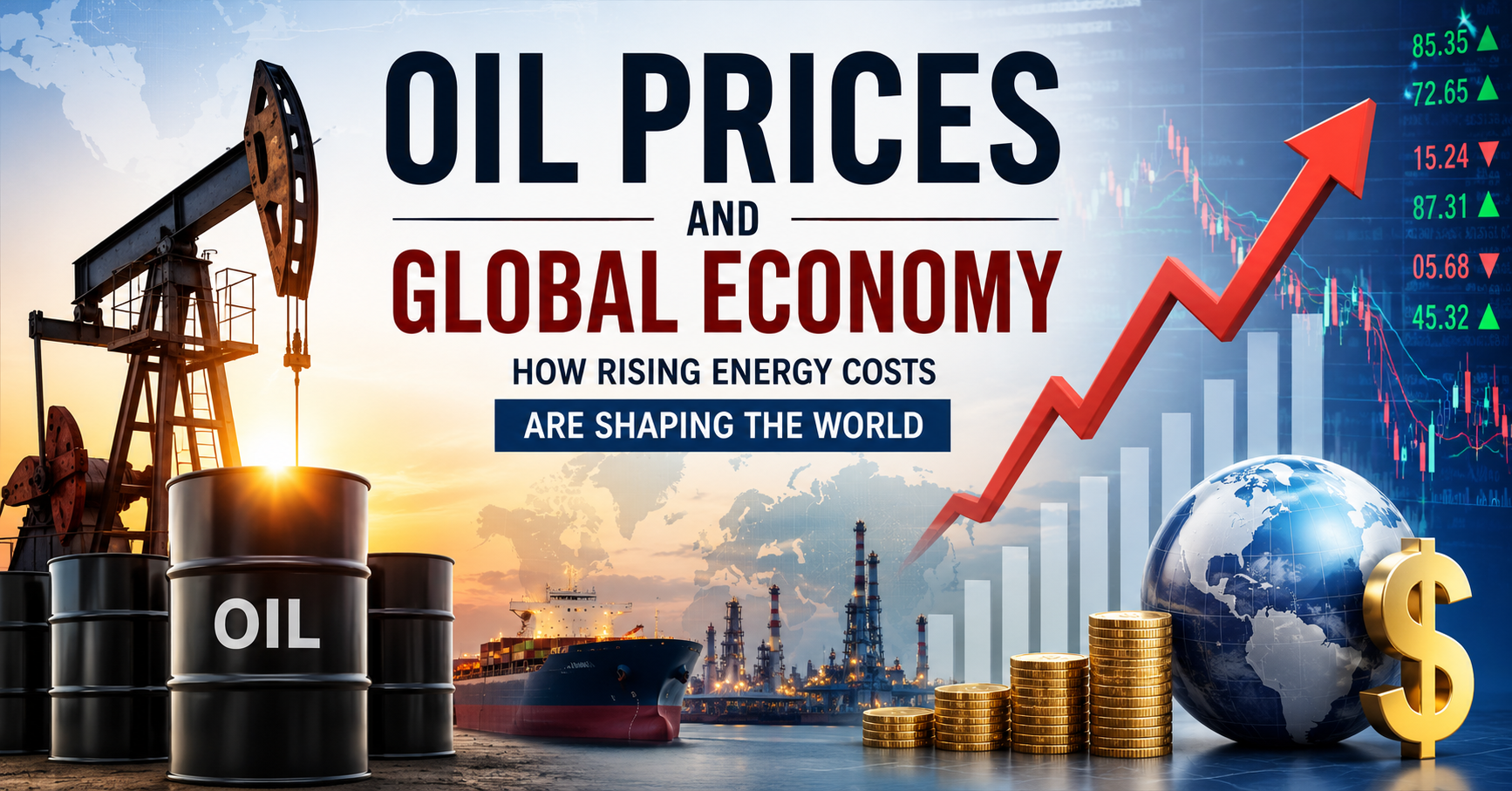
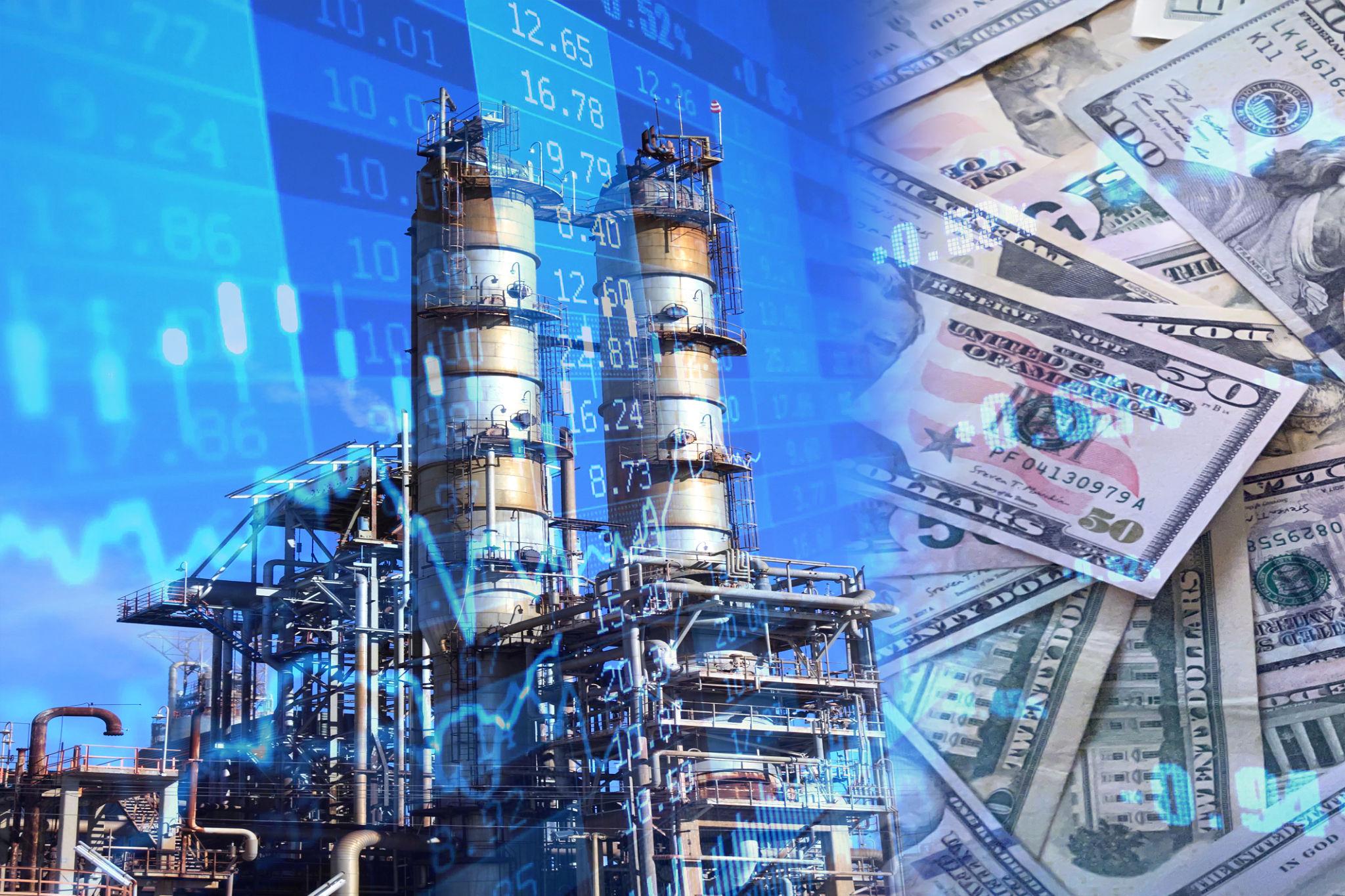
Financial markets across the world are facing another difficult period as bond prices continue falling and oil prices keep moving higher. Investors are becoming nervous again and many experts say global markets could face more instability in the coming weeks.
The recent rise in oil prices has created fear across trading floors banks investment firms and governments. Many investors worry that expensive energy could increase inflation once again and place more pressure on economies already struggling with slow growth.
Bond markets have reacted strongly.
Government bonds that were once seen as safer investments are now being sold heavily by investors looking to avoid future risks. This selloff is spreading across major economies including the United States Britain Germany Japan and several emerging markets.
The mood inside financial markets has changed quickly.
Only a short time ago many investors hoped central banks would soon cut interest rates and support economic growth. But rising oil prices are now creating new doubts about whether inflation can truly be controlled.
Why Oil Prices Matter So Much
Oil remains one of the most important resources in the global economy.
When oil prices rise transportation costs usually increase. Factories pay more for energy. Airlines face higher fuel bills. Shipping companies spend more moving products across countries.
These rising costs often spread into everyday life for ordinary people.
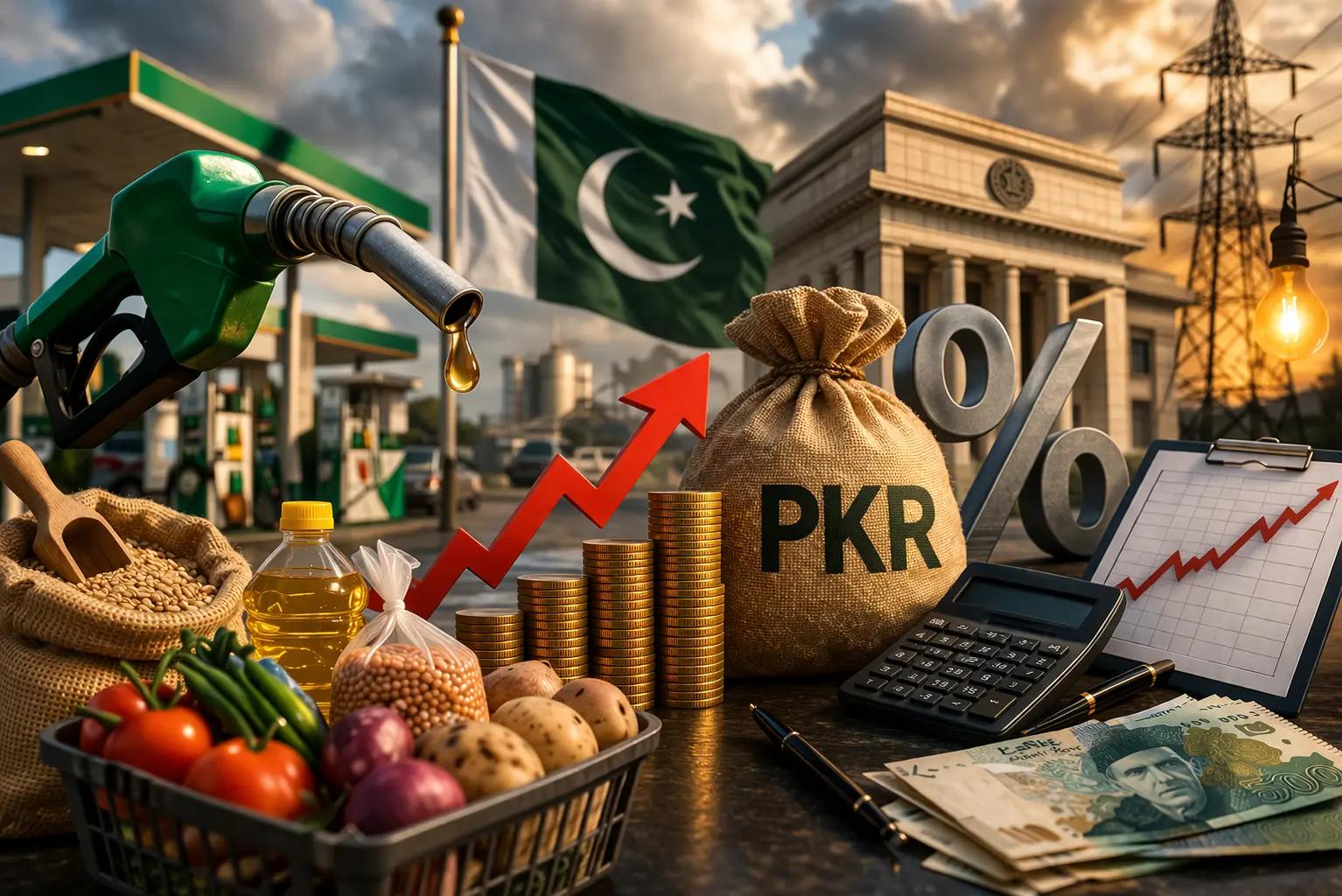
Petrol prices can rise. Food becomes more expensive because transport costs increase. Businesses may charge customers more to protect profits.
This process creates inflation.
Central banks watch oil prices very carefully because inflation can damage economies if it stays high for too long.
Recent tensions in energy markets combined with supply concerns have pushed crude oil prices higher again. Investors fear this trend could continue.
Bond Markets Under Heavy Pressure
Bonds are normally considered safer investments during uncertain times.
Governments sell bonds to raise money and investors buy them expecting stable returns over many years.
But when inflation fears rise bond markets often suffer.
That is happening now.
Investors are selling bonds because they worry future inflation could reduce the value of fixed payments received from these investments.
As bond prices fall yields move higher.
Higher yields may sound positive at first but they can create serious problems across economies.
Higher Yields Create Bigger Problems
When government bond yields rise borrowing becomes more expensive.
Governments must pay more interest on debt.
Businesses face higher loan costs.
Home buyers may see mortgage rates increase.
Consumers often reduce spending during these periods because borrowing money becomes harder and more expensive.
This can slow economic growth significantly.
Many investors now fear the world economy could enter another difficult phase if bond markets continue weakening.
Investors Growing Nervous Again
Market confidence has become fragile during recent years.
Global economies already faced major shocks from the pandemic inflation wars supply chain problems and rising living costs.
Many investors hoped conditions would improve during 2026.
Instead fresh concerns are now appearing.
Oil prices rising at the same time as bond markets falling creates a dangerous combination for financial systems.
Traders are responding by moving money carefully and reducing risky investments.
Stock markets in several countries have also shown signs of weakness as uncertainty grows.
Central Banks Face Difficult Choices
Central banks now face another major challenge.
For months many policymakers suggested interest rate cuts could happen if inflation continued slowing down.
But rising oil prices may change those plans.
If inflation increases again central banks could decide to keep rates higher for longer.
That worries investors because high interest rates slow business activity and reduce consumer spending.
The United States Federal Reserve the European Central Bank and the Bank of England are all watching energy prices closely.
Their next decisions could shape global markets for the rest of the year.
Energy Markets Driving Fear
Oil prices are moving higher partly because of concerns about global supply.
Political tensions in key oil producing regions have created uncertainty about future production levels.
Any disruption in energy exports can quickly push prices upward.
At the same time global demand for energy remains strong in many regions.
As economies continue recovering industrial activity transportation and manufacturing still require huge amounts of oil.
This combination of strong demand and supply worries creates instability.
Europe Feels Extra Pressure
European economies are especially sensitive to energy costs.
Many countries across Europe already struggled with high energy prices after earlier global supply disruptions.
Now another oil price increase threatens businesses and households again.
Factories may face higher operating costs while families could see fuel and heating bills rise further.
Germany France Italy and Britain are all monitoring the situation carefully.
European bond markets have also weakened sharply as investors react to inflation fears.
United States Markets Also React
American bond markets are experiencing strong selling pressure too.
Treasury yields moved higher as investors reassessed expectations for future interest rate cuts.
Wall Street traders are becoming more cautious.
Some analysts believe the Federal Reserve may delay easing monetary policy if oil driven inflation continues growing.
That possibility has reduced investor confidence in several market sectors.
Technology stocks consumer companies and real estate businesses all tend to react negatively when borrowing costs remain high.
Emerging Markets Face Bigger Risks
Developing economies often suffer the most during global bond selloffs.
Many emerging markets depend heavily on foreign investment and international borrowing.
When global yields rise investors sometimes pull money out of these countries searching for safer returns elsewhere.
This can weaken currencies increase debt pressure and create economic instability.
Countries already struggling with inflation or political uncertainty may face even greater risks now.
Ordinary People Could Feel Impact
Financial market movements may sound distant from daily life but ordinary people often feel the effects quickly.
If oil prices continue rising several things could happen
- fuel prices may increase
- airline tickets may become more expensive
- food costs could rise
- home loans may stay expensive
- business investment could slow
- job growth may weaken
These pressures can affect household budgets across many countries.
Families already dealing with higher living costs may face additional challenges.
Investors Move Toward Safety
During uncertain periods investors often search for safer places to protect money.
Some move into cash while others buy gold or defensive assets.
Gold prices have already shown strength during recent market uncertainty.
Investors see gold as protection against inflation and economic instability.
At the same time risky assets including smaller stocks speculative investments and weaker corporate bonds often experience selling pressure.
Stock Markets Feel Pressure Too
The bond selloff is also influencing stock markets.
When bond yields rise investors sometimes shift money away from stocks because bonds start offering more attractive returns.
This reduces demand for equities.
Companies also face pressure because higher borrowing costs can reduce profits and slow expansion plans.
Large corporations with heavy debt loads may struggle more if interest rates remain elevated for long periods.
Oil Companies Benefit
While many sectors face pressure energy companies could benefit from higher oil prices.
Oil producers often earn larger profits during periods of rising crude prices.
Some energy stocks have already gained attention from investors searching for stronger performing sectors.
Still many analysts warn that extremely high oil prices can eventually hurt the broader economy even if energy firms initially benefit.
Inflation Fears Return
One of the biggest concerns in markets right now is the possibility that inflation could rise again after months of improvement.
Central banks spent years fighting inflation through aggressive interest rate hikes.
Consumers and businesses suffered through expensive borrowing conditions.
Many hoped the worst period had already passed.
Now investors worry rising oil prices could restart inflation pressures and delay economic recovery.
Consumer Confidence Could Weaken
When energy prices rise consumers often become more cautious.
Families may reduce spending on travel entertainment restaurants and shopping.
This hurts businesses that depend on consumer demand.
Retail companies airlines hotels and leisure industries usually feel pressure first during these periods.
Economic growth can slow if consumers decide to save money instead of spending it.
Housing Markets Remain Vulnerable
Housing markets are especially sensitive to bond yields and interest rates.
Mortgage costs often follow government bond yields.
If yields remain high home buyers may continue delaying purchases because monthly payments stay expensive.
Property markets in several countries already cooled during earlier rate hikes.
Another period of rising borrowing costs could place more pressure on housing sectors.
Governments Face Debt Challenges
Higher bond yields also create problems for governments themselves.
Many countries borrowed huge amounts of money during the pandemic period.
As old debt needs refinancing governments may now face much higher interest payments.
This can increase budget pressure and limit spending on infrastructure healthcare education and public services.
Countries with already high debt levels may experience additional financial stress.
Banks Watching Closely
Banks are monitoring the bond selloff carefully because bond markets play a major role in financial systems.
Sharp moves in yields can affect lending investment portfolios and overall market stability.
Most major banks remain financially stronger than during previous crises but sudden market volatility still creates risks.
Financial institutions prefer stable predictable conditions rather than rapid swings in oil prices and bond markets.
Analysts Divided About Future
Experts remain divided about what happens next.
Some analysts believe oil prices could stabilize soon which may calm bond markets.
Others warn that geopolitical tensions and supply concerns could keep energy prices elevated for months.
Much will depend on central bank reactions inflation data and global economic growth.
Investors are watching every economic report closely.
China Also Important
China plays a major role in global energy demand and financial markets.
If Chinese economic activity strengthens oil demand could rise further pushing prices higher.
But if growth slows sharply global demand may weaken helping reduce energy costs.
Traders continue monitoring Chinese manufacturing consumer spending and industrial production data carefully.
Market Volatility Likely To Continue
Financial experts expect volatility to remain high.
Markets dislike uncertainty and right now several major risks are happening together
- rising oil prices
- bond market weakness
- inflation fears
- uncertain central bank policy
- geopolitical tensions
This combination creates nervous trading conditions.
Large daily market swings could continue for some time.
Businesses Prepare For Tougher Conditions
Companies across different industries are preparing for potentially tougher economic conditions.
Some firms may delay expansion plans or reduce hiring if borrowing costs stay elevated.
Others may increase prices to offset rising energy expenses.
Businesses with strong balance sheets and lower debt levels usually handle these periods better than heavily leveraged companies.
Airlines And Transport Firms Under Pressure
Transportation industries often suffer quickly when oil prices rise.
Airlines trucking companies shipping firms and delivery services all depend heavily on fuel.
Higher energy costs can reduce profits significantly.
Some companies pass costs onto customers through higher ticket prices and shipping fees.
Others struggle absorbing expenses while competition remains intense.
Food Prices Could Rise Again
Oil prices also affect food markets.
Transportation agriculture packaging and distribution all require energy.
If fuel costs increase supermarkets and restaurants may eventually charge more.
This worries many households already managing tight budgets after previous inflation waves.
Hope Markets Stabilize
Despite current fears some investors remain optimistic.
Global economies have survived difficult periods before and markets often recover after uncertainty fades.
If oil prices stabilize and inflation remains manageable central banks could still reduce interest rates later in the year.
That would likely improve investor confidence again.
For now however markets remain cautious.
Final Thoughts
The global bond selloff shows how sensitive financial markets remain after years of economic shocks and uncertainty.
Rising oil prices have reignited fears about inflation interest rates and future economic growth.
Investors around the world are reacting carefully as they try to understand what comes next.
Governments central banks businesses and ordinary families could all feel the impact if energy prices continue climbing and bond markets remain under pressure.
The coming months may become very important for global financial stability.
Much now depends on oil markets inflation trends and whether policymakers can keep economies steady during another period of uncertainty.