
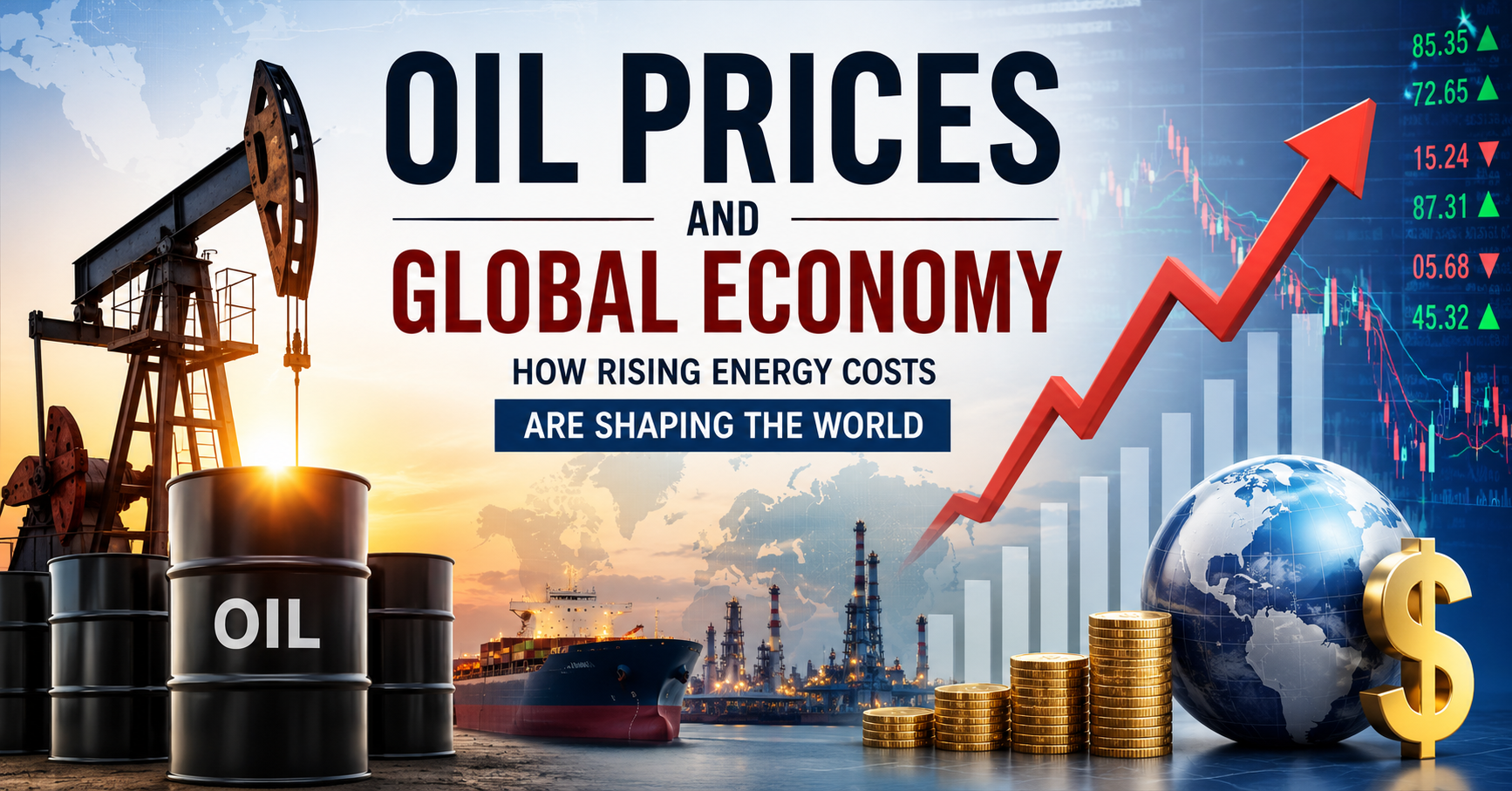
Oil prices continue to play a major role in the global economy. Every day millions of businesses governments and consumers depend on oil for transportation manufacturing electricity generation and many other activities. Because of this any movement in oil prices can have a direct impact on economic growth inflation trade and household spending across the world.
In 2026 oil markets remain one of the most closely watched parts of the global economy. Investors policymakers and business leaders carefully monitor changes in supply and demand because even small shifts can influence financial markets and economic performance. The relationship between oil prices and economic activity has existed for decades and continues to shape decisions at every level.
Oil is often described as the fuel that powers the modern world. Cars trucks ships and airplanes rely heavily on petroleum products. Factories use oil and related energy sources to produce goods while agriculture depends on fuel for machinery and transportation. As a result higher oil prices can increase operating costs for many industries.
When oil prices rise transportation companies often face greater expenses. Airlines may spend more on jet fuel while shipping companies pay higher costs to move goods between countries. These additional expenses are frequently passed on to consumers through higher prices for products and services. This process can contribute to inflation and reduce purchasing power.
Consumers are among the first groups to notice changes in oil prices. Higher fuel costs can affect daily budgets and reduce the amount of money available for other spending. Families may become more cautious with their finances when transportation and energy bills increase. Lower consumer spending can then influence broader economic growth.
Inflation remains one of the biggest concerns linked to rising oil prices. When energy becomes more expensive the cost of producing and delivering goods often increases as well. Businesses may raise prices to protect profits which can create inflationary pressure throughout the economy. Central banks closely monitor these developments when making decisions about interest rates.
The connection between oil prices and inflation has become especially important in recent years. Many countries have worked to control rising living costs while maintaining economic growth. Energy markets therefore receive significant attention from governments and financial institutions. Stable oil prices can help create a more predictable economic environment.
Oil producing nations often benefit from higher prices. Countries with large energy exports may experience stronger government revenues increased foreign investment and improved trade balances. Higher income from oil exports can support public spending infrastructure projects and economic development initiatives.
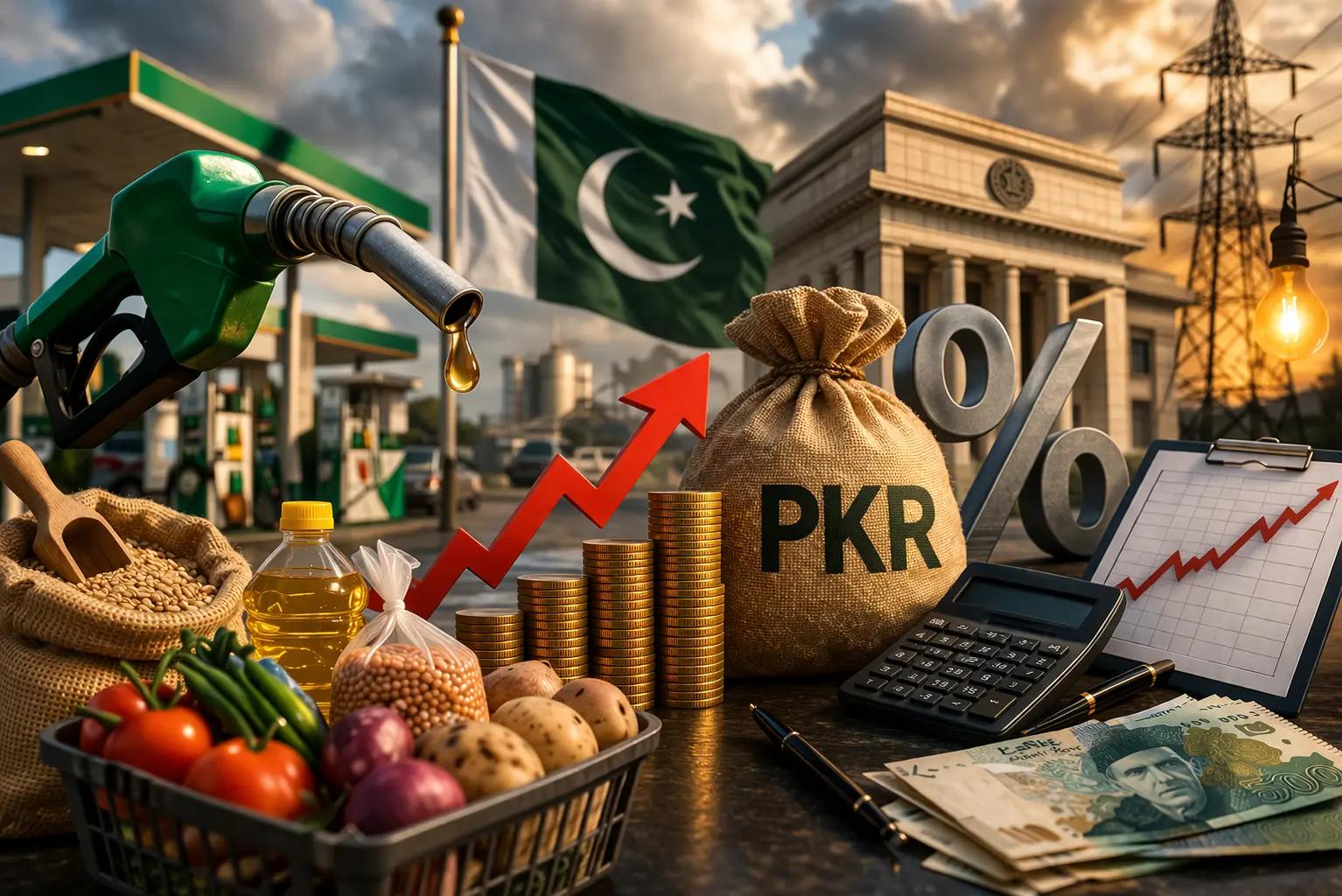
At the same time countries that import large amounts of oil may face challenges when prices rise. Increased import costs can place pressure on national budgets and foreign exchange reserves. Governments may need to spend more on fuel subsidies or adjust economic policies to manage the impact of expensive energy.
Global trade is closely linked to oil prices. Goods move around the world through shipping networks that depend on fuel. Higher transportation costs can affect supply chains and influence the final price of products sold in international markets. Businesses often monitor energy prices when planning production and distribution strategies.
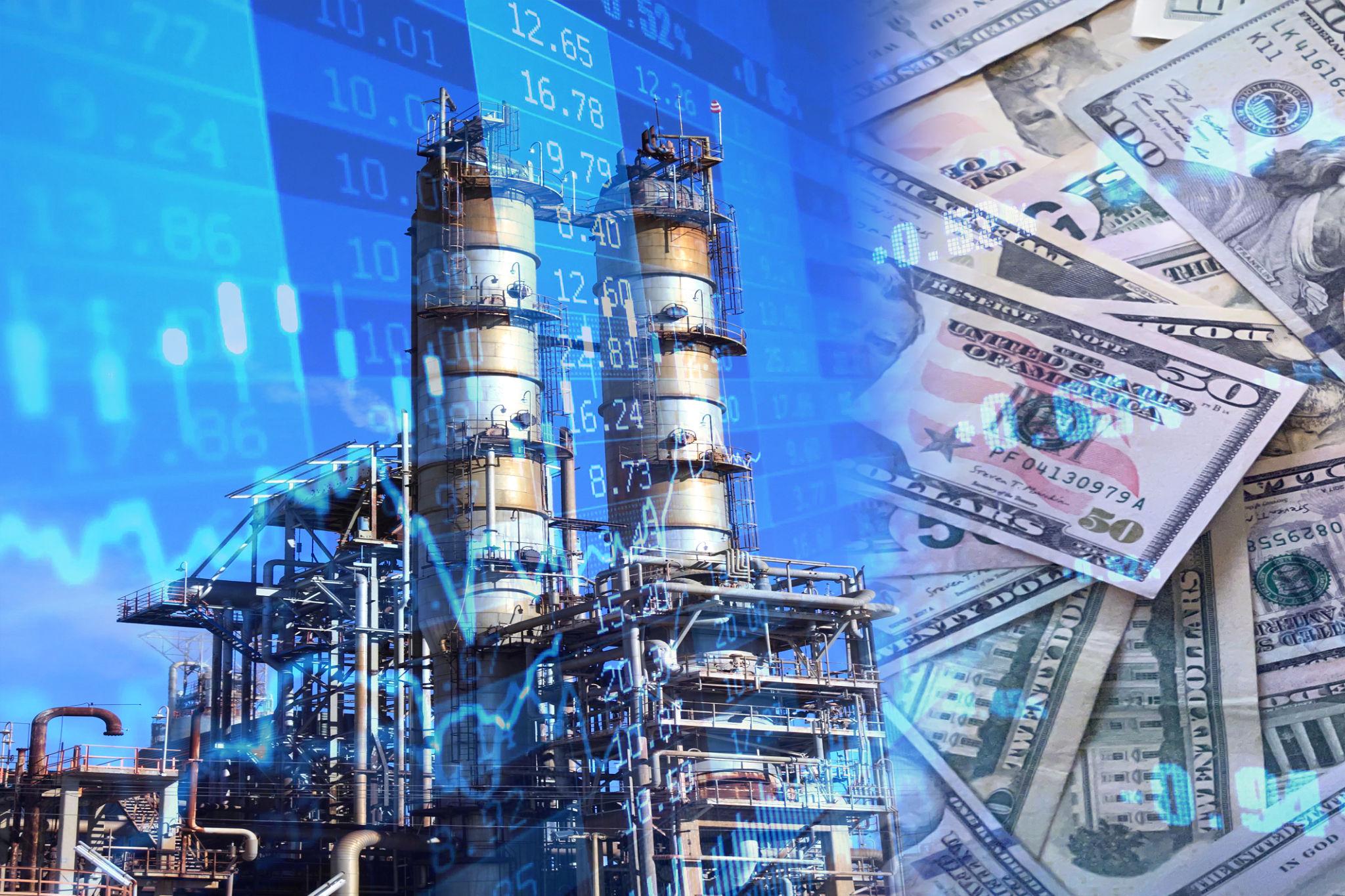
Financial markets also react to developments in the oil sector. Investors view oil prices as an important indicator of economic conditions. Rising prices may signal strong demand while sharp declines can raise concerns about slowing economic activity. Stock markets currency values and commodity prices often respond to changes in energy markets.
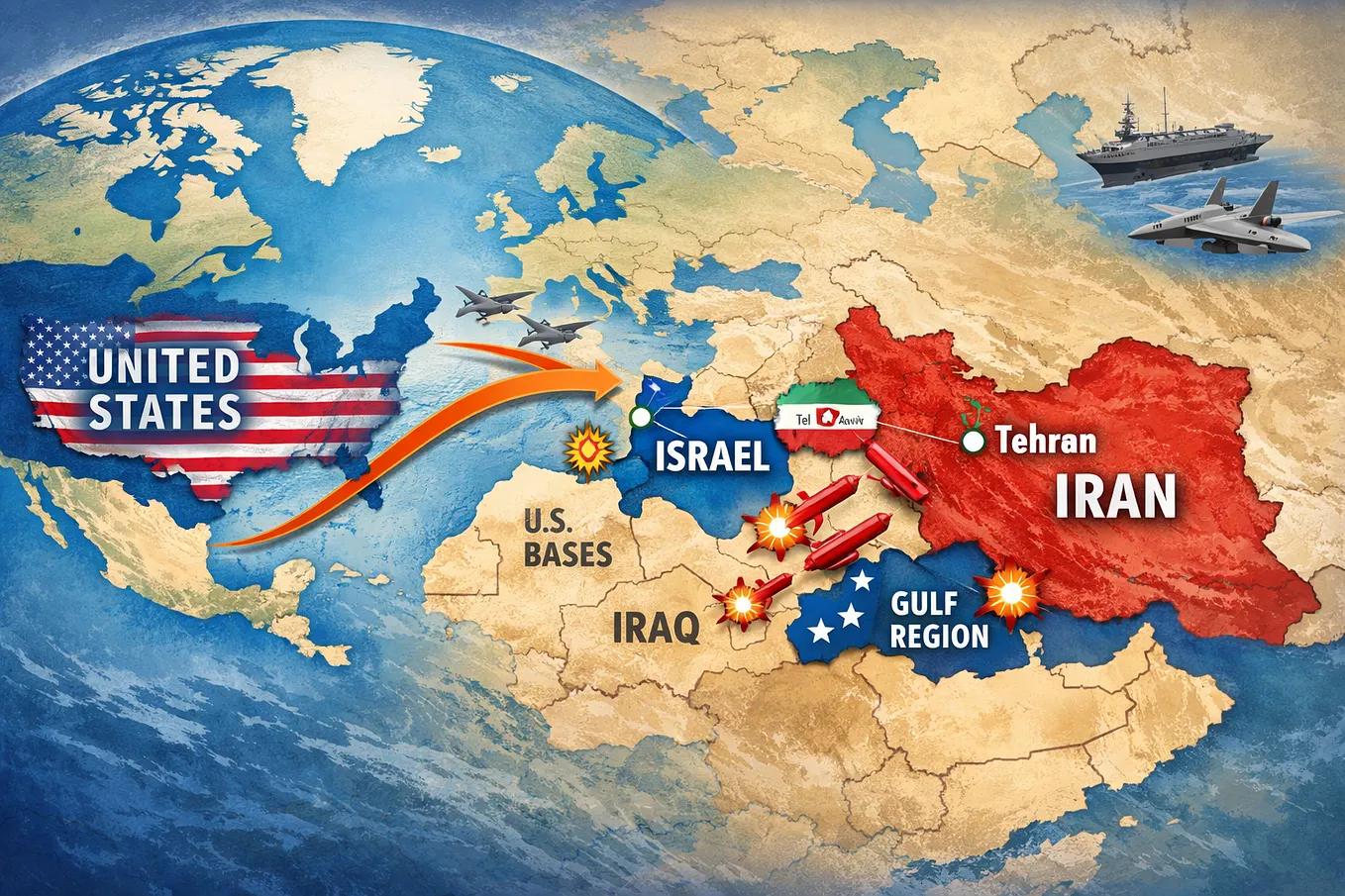
Geopolitical events frequently influence oil prices. Conflicts political tensions and disruptions in major producing regions can create uncertainty about future supply. When markets fear potential shortages prices often move higher. Stability in producing regions can help support balanced markets and reduce volatility.
Production decisions by major oil exporting countries also play a significant role. Changes in output levels can affect global supply and influence market expectations. When producers increase supply prices may come under pressure while production cuts can support higher prices. These decisions are closely watched by traders and analysts around the world.
Technological developments continue to shape the energy sector. Advances in exploration drilling and production techniques have improved efficiency and increased access to energy resources. New technologies can help producers manage costs and respond more effectively to changing market conditions.
The growth of renewable energy has added another dimension to the discussion about oil prices. Solar wind and other alternative energy sources are becoming more important in many countries. Governments and businesses are investing in cleaner energy solutions as part of long term sustainability goals. However oil remains a critical component of the global energy system and is expected to remain important for years to come.
Developing economies often face unique challenges when oil prices rise. Many emerging markets rely heavily on imported energy while also dealing with budget constraints. Higher fuel costs can affect transportation agriculture and industrial production. Policymakers in these countries must carefully balance economic growth with inflation control.
Businesses regularly adjust their strategies in response to changing oil prices. Companies may seek greater efficiency invest in energy saving technologies or explore alternative fuel options. These efforts can help reduce exposure to market volatility and improve long term competitiveness.
Consumers are also becoming more aware of energy efficiency. Many people now consider fuel consumption when purchasing vehicles or household equipment. Increased awareness can help families manage costs and reduce the impact of fluctuating energy prices on personal finances.
The tourism industry is another sector influenced by oil prices. Air travel depends heavily on fuel and higher costs can affect ticket prices. Tourism businesses may experience changes in demand when travel becomes more expensive. This demonstrates how energy markets can influence a wide range of economic activities.
Agriculture remains closely connected to oil prices as well. Farmers rely on fuel for machinery irrigation and transportation. Rising energy costs can increase production expenses and contribute to higher food prices. Because food is an essential household expense these effects can be felt across entire populations.
Governments often introduce policies to manage the impact of oil price fluctuations. Measures may include strategic reserves tax adjustments or support programs designed to protect consumers and businesses. Effective policy responses can help reduce economic disruptions and maintain stability during periods of market volatility.
Energy security has become a major priority for many nations. Governments seek reliable access to energy supplies while reducing vulnerability to external shocks. Investments in domestic production infrastructure and alternative energy sources are often part of broader strategies aimed at strengthening long term resilience.
Looking ahead experts expect oil prices to remain an important factor in shaping global economic trends. Demand from growing populations industrial development and transportation needs will continue influencing markets. At the same time technological innovation and environmental considerations are likely to transform how energy is produced and consumed.
Businesses investors and policymakers will continue monitoring oil market developments closely. Understanding the relationship between energy prices and economic performance is essential for making informed decisions. The ability to adapt to changing conditions can help organizations and governments navigate uncertainty more effectively.
The story of oil prices is ultimately the story of the global economy itself. Energy affects nearly every aspect of modern life from transportation and manufacturing to trade and household budgets. Changes in oil markets can influence growth inflation investment and consumer confidence across the world.
As 2026 continues the connection between oil prices and economic activity remains as strong as ever. Whether prices rise fall or remain stable their influence will continue shaping decisions made by governments businesses and consumers. Understanding these dynamics provides valuable insight into the forces driving the modern global economy and the challenges and opportunities that lie ahead.