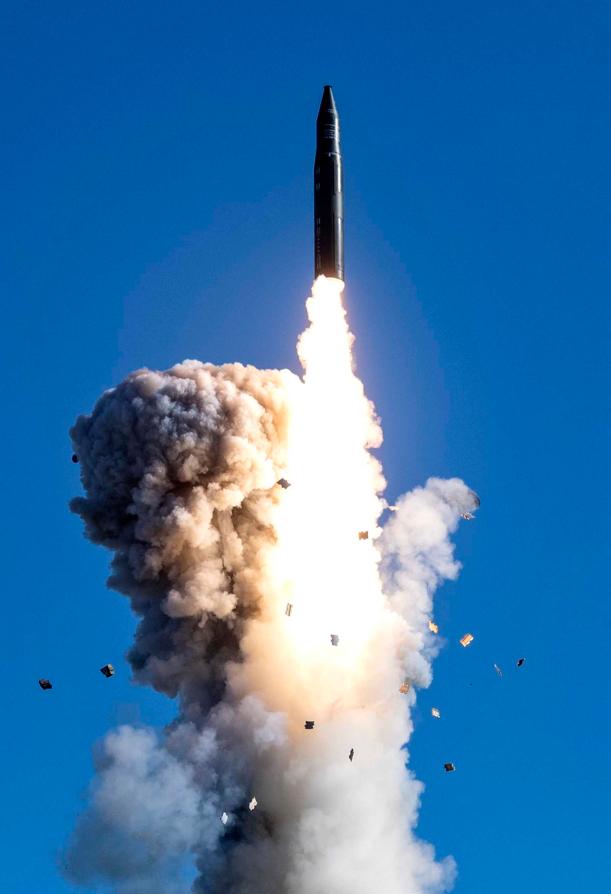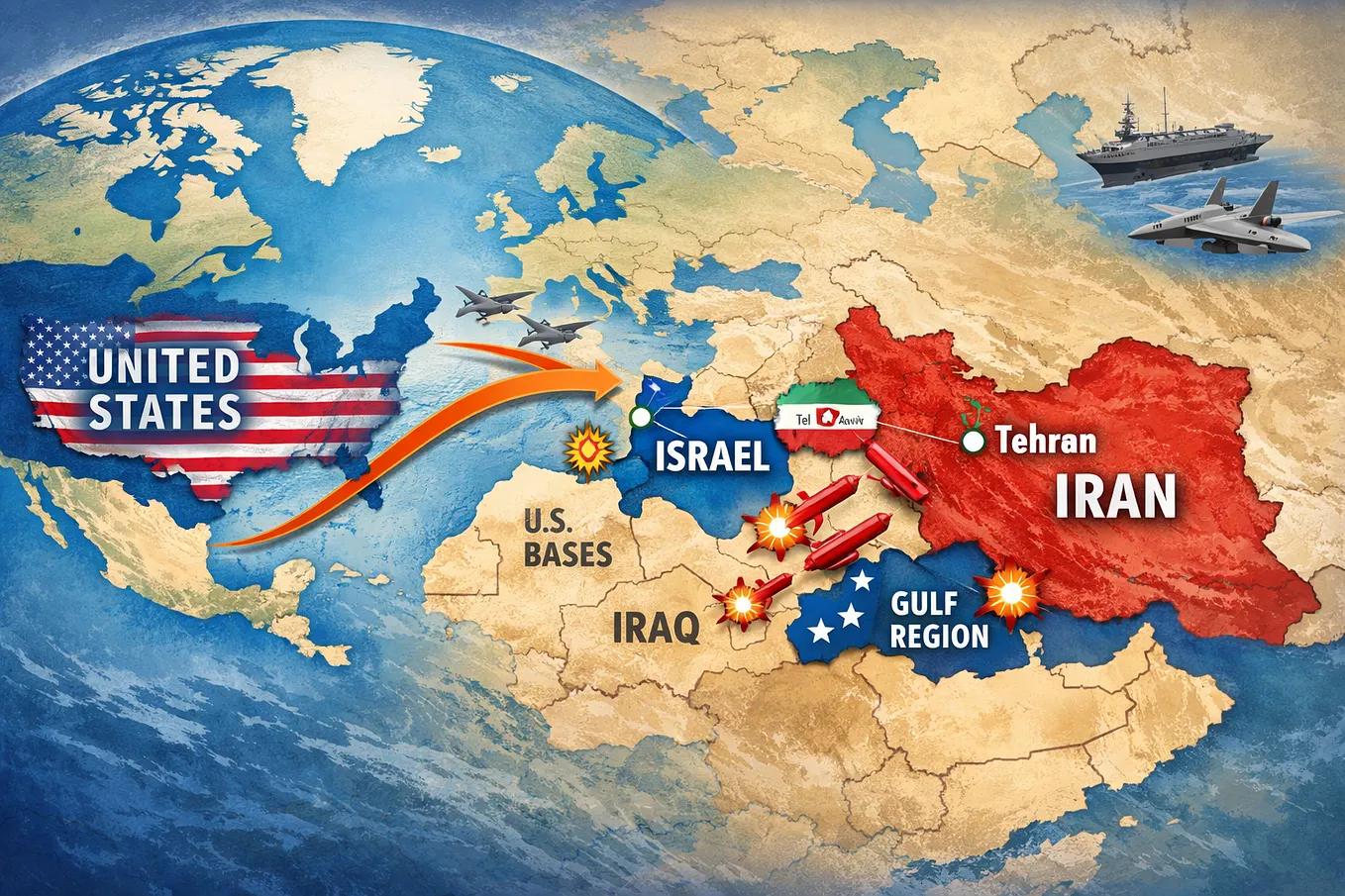

In a shocking development late last night Iran launched a missile strike on Israel causing alarm across the region and the international community. Reports indicate that multiple missiles were fired from Iranian territory targeting key areas in Israel. The attack comes amid ongoing tensions in the Middle East and fears of escalation between the two nations.
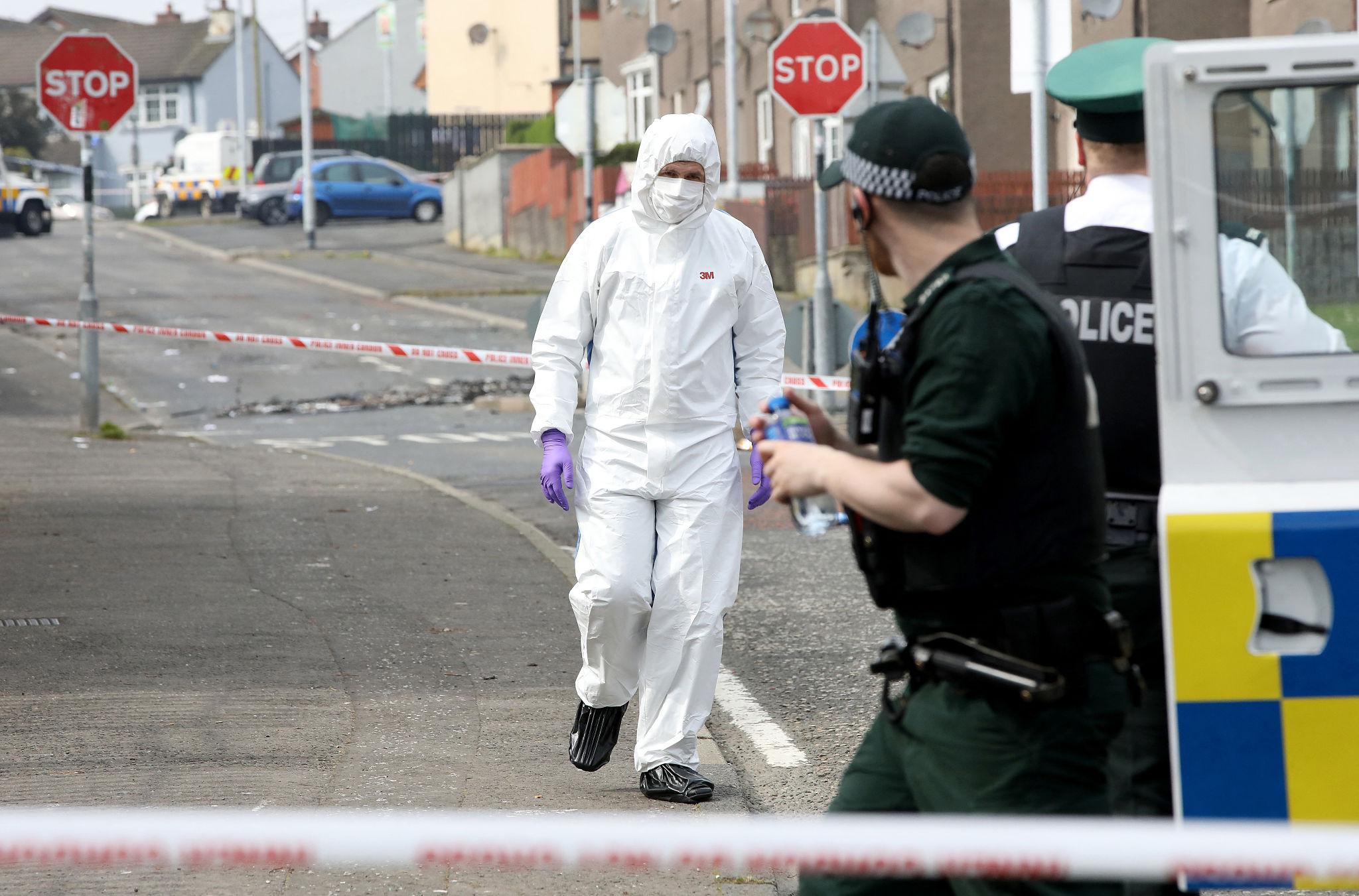
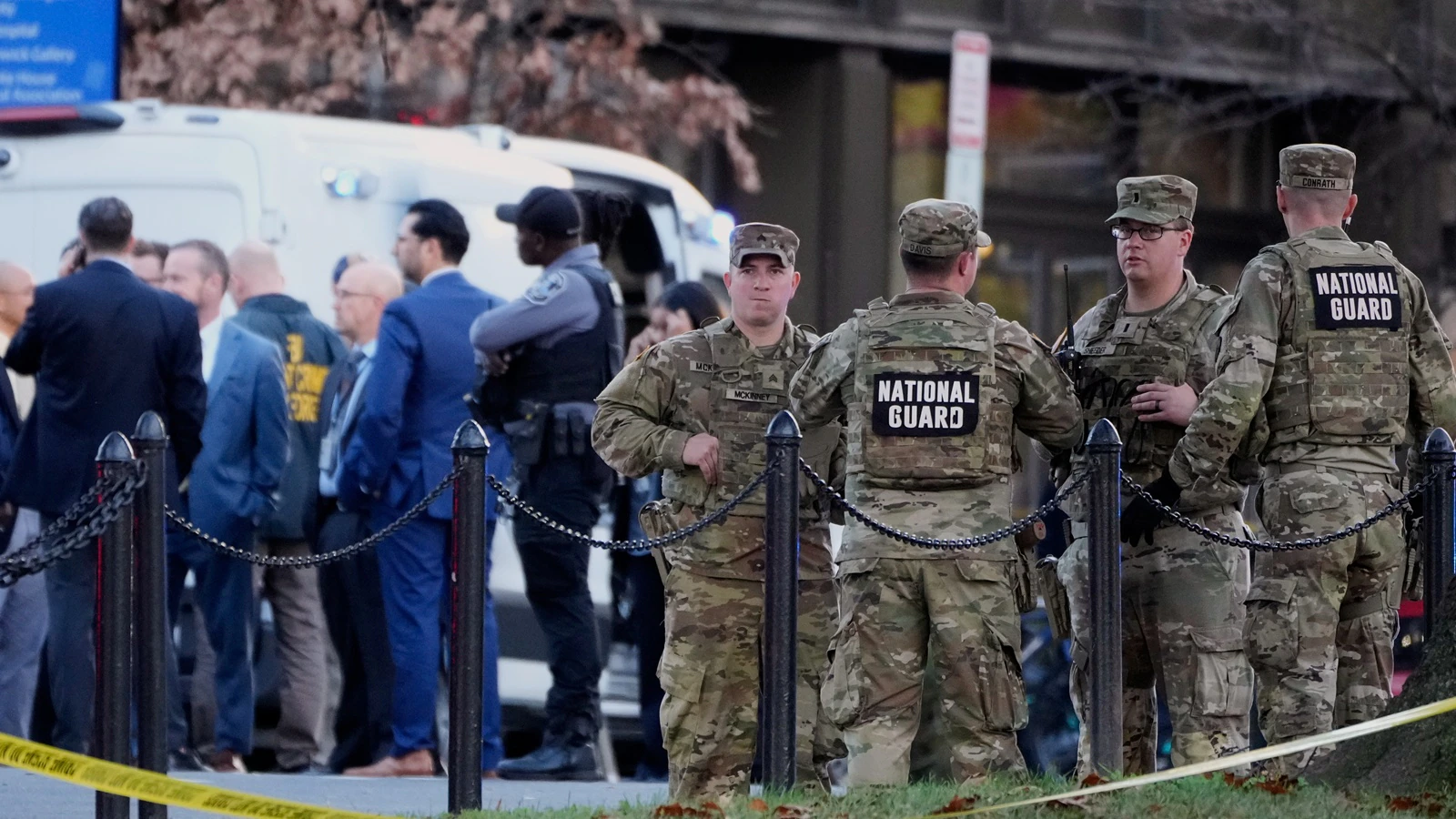
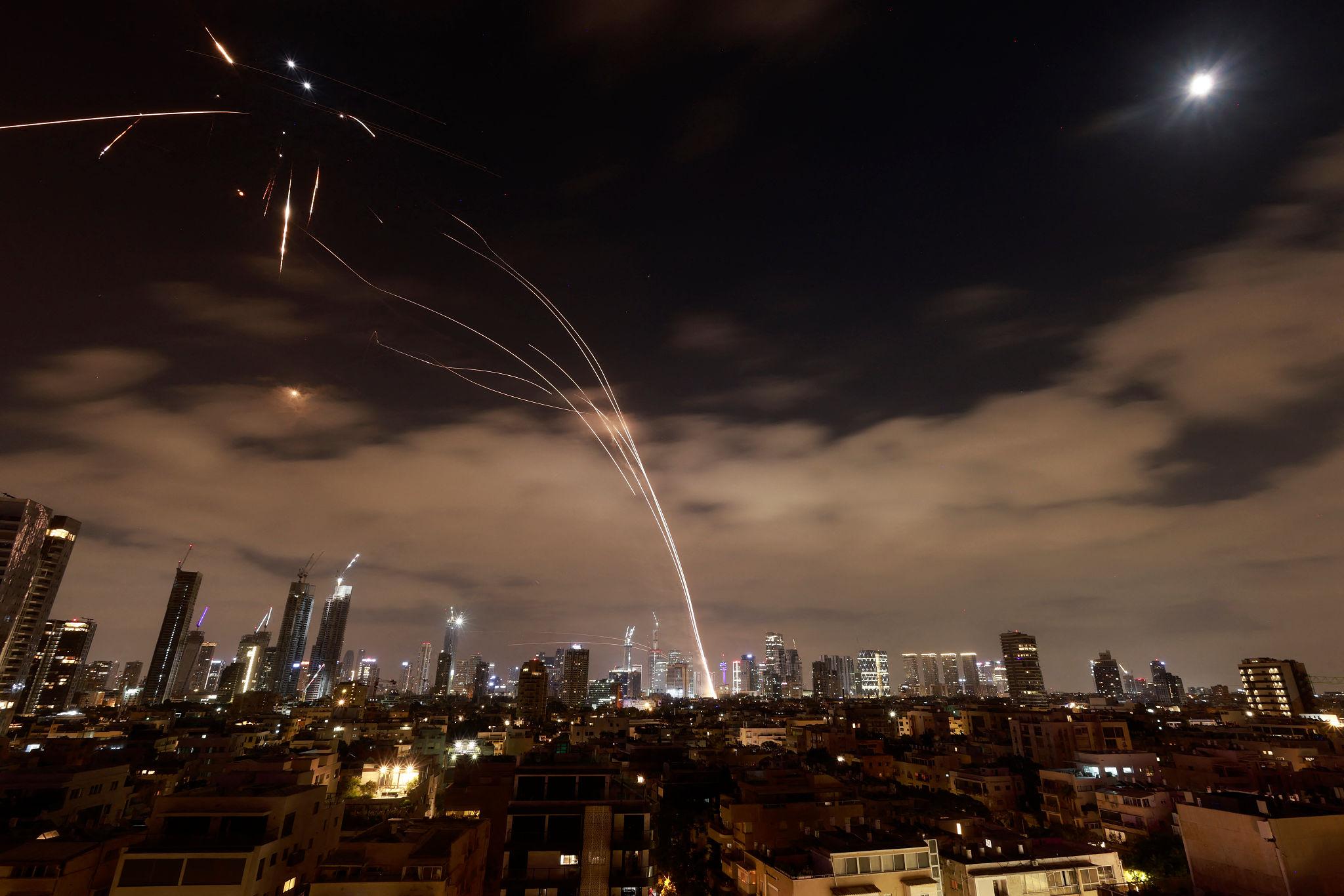
Eyewitnesses in Israel reported seeing missile trails in the sky along with loud explosions shaking residential and commercial areas. Emergency services rushed to the affected zones to assist civilians and assess the damage. While initial reports suggest casualties may have occurred authorities are still confirming the full extent of the situation. Hospitals have been put on high alert to handle potential injuries and to provide urgent medical care.
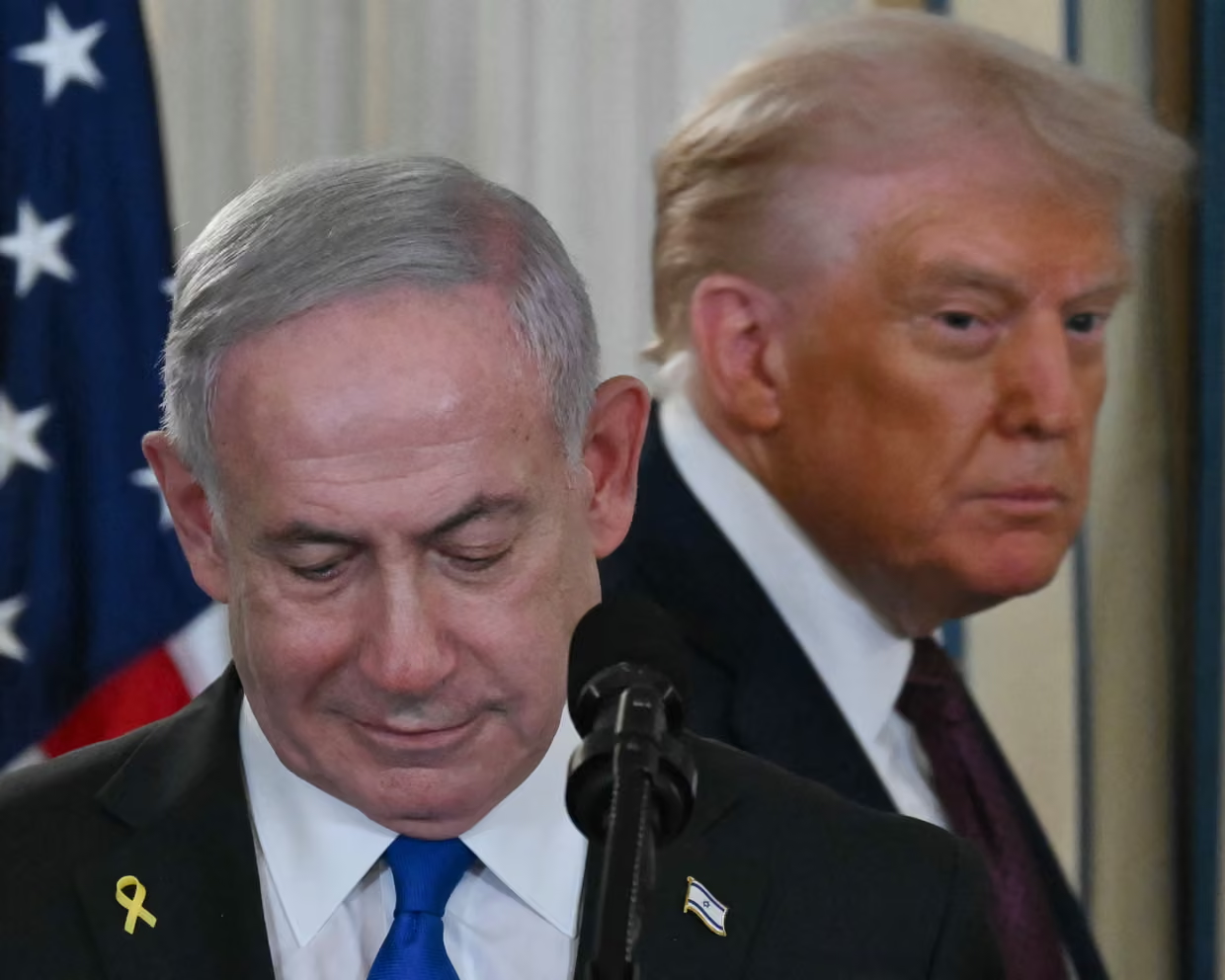
The Israeli government quickly responded condemning the missile strike as a serious act of aggression. Officials emphasized that Israel will defend its people and sovereignty with all necessary measures. Security forces were mobilized across the country to strengthen defenses and prevent further attacks. The Israeli Prime Minister addressed the nation stating that the country remains vigilant and ready to respond to any additional threats.
Iran has not officially commented on the strike yet but analysts believe it may be linked to recent geopolitical tensions in the region. Experts suggest that the attack could be a message to Israel and its allies in response to ongoing conflicts and sanctions. The move has raised concerns globally about the potential for a wider conflict in the Middle East.
The international community reacted with urgency to the missile strike. The United Nations called for calm and urged both nations to avoid actions that could escalate the situation further. Diplomatic channels are being used to deescalate tensions and prevent a full scale conflict. Several countries have expressed concern over the attack and emphasized the need for dialogue and restraint.
Military experts note that Iran’s missile capabilities have advanced significantly over recent years. The missiles launched appear to be long range and capable of causing significant damage. Israel’s defense systems were reportedly activated to intercept some of the missiles but not all were successfully stopped. This has raised questions about the preparedness of regional defense systems and the potential vulnerability of urban areas.
The strike has also affected daily life in Israel. Schools and businesses in targeted areas were closed as authorities implemented safety measures. Residents were instructed to stay in secure locations until the threat subsided. Public transportation was disrupted and major roads were temporarily blocked to allow emergency services to operate effectively.
Economists are warning that the strike may also have economic repercussions. Stock markets in the region experienced fluctuations and businesses are bracing for potential disruptions. Energy prices may be affected due to concerns over stability in the Middle East which is a major hub for global oil production. Analysts suggest that continued conflict could lead to wider economic instability affecting not only the region but international markets as well.
In response to the attack Israel has reportedly carried out counter measures against targets in Iranian allied territories. Details of these actions are still emerging but sources indicate that Israel is determined to respond strongly to protect its national security. Military operations may continue in the coming days as both nations assess their strategies and capabilities.
The attack also highlights the ongoing challenges of peace in the Middle East. Years of conflict have created deep divisions and a complex web of alliances. Any escalation has the potential to draw in other regional powers and affect global politics. Diplomats and analysts emphasize the importance of dialogue and multilateral efforts to prevent further deterioration of security in the area.
Civilians caught in the crossfire are facing significant hardships. Many families were forced to evacuate their homes and seek shelter in safer locations. The humanitarian impact is growing as aid organizations work to provide food medical assistance and temporary shelter to those affected. International aid agencies are monitoring the situation and preparing to respond to any emerging needs.
Social media platforms have been flooded with videos images and firsthand accounts of the missile strike. People are sharing updates and experiences creating a real time picture of the impact. The rapid spread of information has both helped raise awareness and created challenges in verifying reports. Authorities are urging caution and relying on official sources to provide accurate information.
Analysts are closely watching the response from the United States and other key allies. Historically the US has been a strong supporter of Israel and any escalation could influence international relations and military strategies. Statements from global powers in the coming hours will likely shape the trajectory of the conflict and diplomatic efforts.
Experts warn that the late night timing of the missile strike suggests careful planning by Iran. Night attacks can create confusion and reduce the effectiveness of early warning systems. The use of advanced technology and strategic timing indicates a sophisticated approach to military operations. This may prompt Israel to review its security protocols and invest further in missile defense systems.
The regional impact of the strike is also significant. Neighboring countries are monitoring the situation closely and preparing for any potential spillover effects. Borders may be reinforced and military readiness increased as governments anticipate possible developments. Diplomatic efforts in the region are expected to intensify to contain the crisis and prevent escalation.
Political leaders around the world have condemned the strike and called for restraint. Statements from Europe Asia and the Middle East emphasize the need to avoid further violence and pursue dialogue. International organizations are likely to convene emergency meetings to address the situation and coordinate responses.
Security analysts point out that the missile strike could influence ongoing peace talks and negotiations in the region. Trust between nations is already fragile and such attacks can complicate efforts to reach agreements on conflict resolution. The long term implications for regional stability and international relations may be profound.
The situation remains fluid with new information emerging continuously. Authorities in Israel continue to assess the damage and coordinate emergency response efforts. Iran’s next steps are being closely watched by governments analysts and the public alike. The coming days are critical in determining whether tensions escalate or if diplomatic efforts succeed in restoring calm.
In summary the late night missile strike by Iran on Israel represents a significant escalation in Middle East tensions. It has affected civilians disrupted daily life and raised global concerns about regional stability. The international community is calling for restraint and dialogue while both nations prepare for possible further developments. The situation highlights the complex challenges of security diplomacy and the urgent need for conflict resolution mechanisms in one of the most volatile regions in the world.
As events unfold authorities and experts continue to monitor the situation closely. The coming hours and days will reveal the extent of the impact of the missile strike and the potential path toward either escalation or deescalation. Civilians hope for peace and safety as nations navigate this tense and uncertain moment in history.