
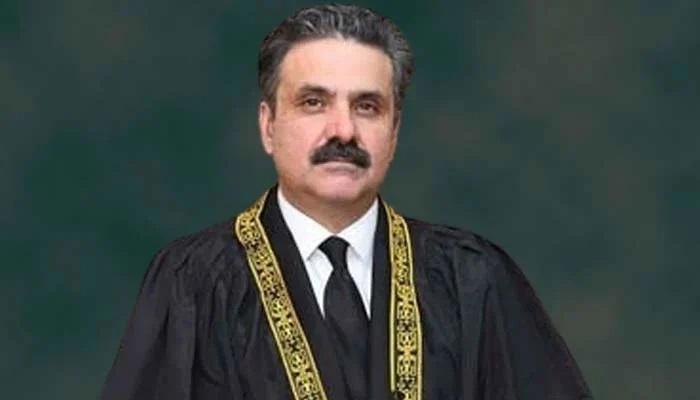
Pakistan political and legal circles are once again discussing an important development after the Supreme Judicial Council dismissed five complaints against Chief Justice Yahya Afridi The news quickly became one of the top trending topics because it involves the highest judicial office in the country and raised public interest about accountability transparency and the role of the judiciary in Pakistan
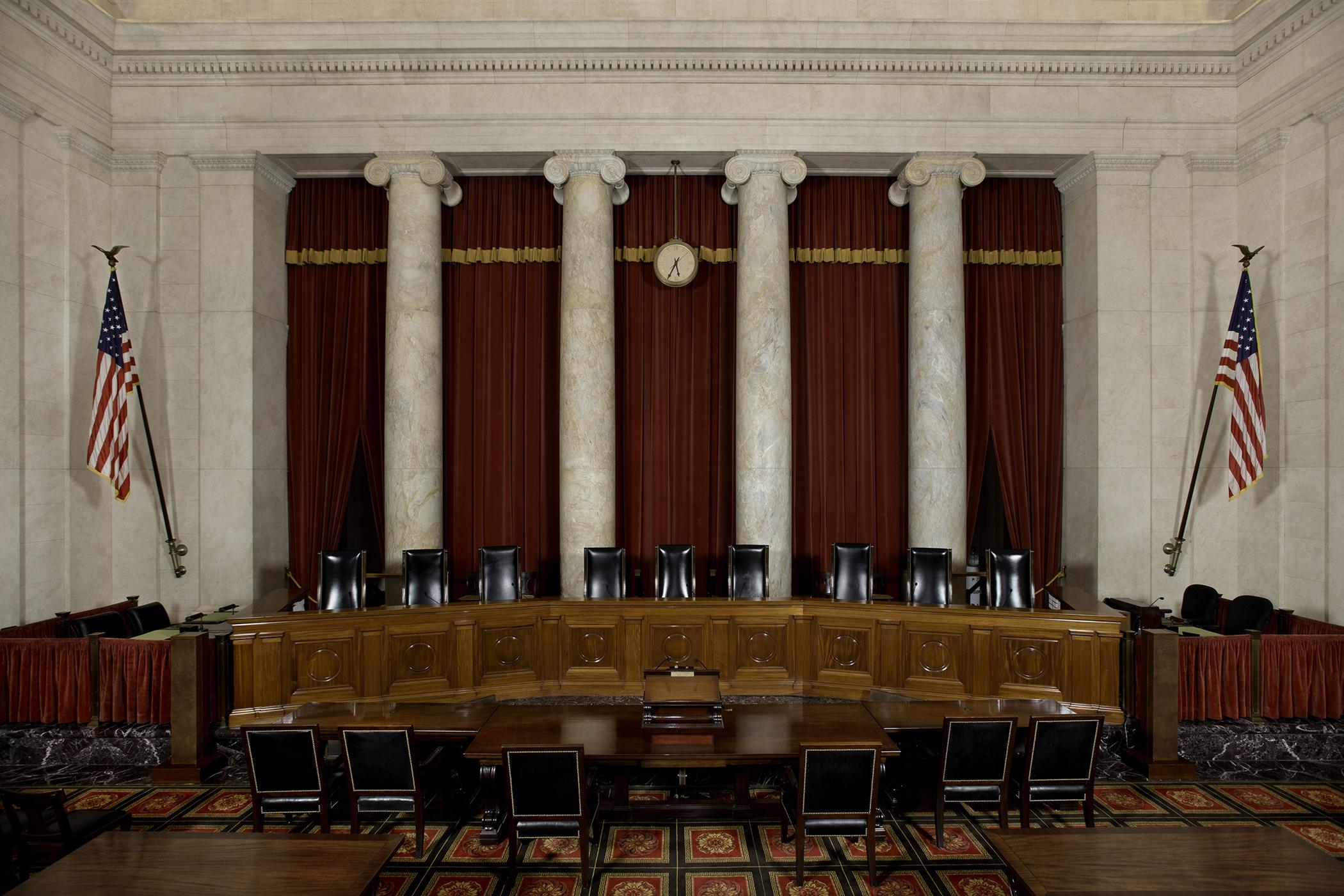
The Supreme Judicial Council also known as SJC reviewed all complaints in an important meeting and finally decided that the allegations against Chief Justice Yahya Afridi did not hold enough legal weight for further action The council unanimously rejected all five complaints and declared them without merit
This development attracted huge attention on social media television channels and legal forums because cases involving the Chief Justice of Pakistan are always considered highly sensitive and politically important Many citizens wanted to understand why the complaints were filed what allegations were made and how the council reached its decision
The latest decision also created discussion among lawyers journalists political analysts and ordinary citizens because the judiciary remains one of the most important institutions in Pakistan Any controversy connected to senior judges quickly becomes national news and sparks debate across the country
According to reports the complaints were connected to different legal matters from previous years Some complaints related to judicial decisions while others questioned administrative actions taken during different periods of Chief Justice Yahya Afridi legal career
The Supreme Judicial Council carefully reviewed every complaint and examined the available records before announcing its final verdict Officials stated that none of the complaints contained sufficient evidence for disciplinary proceedings and therefore all cases were dismissed unanimously
One of the important aspects of this development was the decision to publicly release details about the complaints and the council findings Many legal observers believe this move was aimed at increasing transparency and public confidence in the judicial system
The complaints reportedly included allegations connected to appointments decisions and handling of certain legal matters during previous years One complaint claimed merit was ignored during appointments when Yahya Afridi served in the Peshawar High Court Another complaint criticized a Supreme Court decision where petitioners argued they were not given a fair hearing
Additional complaints involved issues related to restrictions on lawyer entry into the Supreme Court and objections regarding dismissal of previous petitions However after detailed review the council concluded that none of these accusations justified further legal action against the Chief Justice
This case became even more important because the Chief Justice himself did not participate in proceedings involving the complaints against him Instead another senior judge headed the reconstituted council during the review process This step was viewed by many legal experts as necessary for maintaining fairness and neutrality during the hearings
The news also triggered political reactions because judiciary related developments often influence the wider political environment in Pakistan Political parties lawyers groups and commentators all shared different opinions regarding the SJC decision Some praised the process and called it proof of institutional strength while others demanded even greater transparency in judicial matters
Pakistan judiciary has faced intense scrutiny during recent years because courts often handle major political constitutional and election related cases Decisions by senior judges regularly shape the national political landscape and influence public debate across the country
For this reason every controversy involving the judiciary receives massive media coverage and becomes part of larger political conversations Citizens closely follow legal developments because court decisions can directly affect governance democracy and accountability in Pakistan
Supporters of Chief Justice Yahya Afridi described the dismissal of complaints as a positive outcome for judicial stability They argued that false or weak allegations against judges should not damage the reputation of important institutions They also said the unanimous decision showed that the complaints lacked strong legal basis
At the same time critics continued discussing the need for stronger accountability systems within state institutions Some legal experts believe public trust improves when complaint processes remain open transparent and accessible to ordinary citizens
Many lawyers also highlighted the importance of the Supreme Judicial Council itself because it acts as the constitutional body responsible for examining allegations against judges in Pakistan The council role becomes especially significant when complaints involve senior members of the judiciary including the Chief Justice
The current controversy also increased public curiosity about how judicial accountability systems work in Pakistan Many people searched online to learn about the powers of the Supreme Judicial Council how complaints are filed and what procedures are followed during investigations
Social media platforms became filled with opinions legal analysis and political commentary after the announcement Some users supported the council decision while others questioned whether stronger reforms were still needed within the judicial system
Television talk shows also focused heavily on the issue Legal analysts discussed constitutional procedures the independence of the judiciary and the importance of maintaining public confidence in state institutions Several experts explained that protecting judicial independence remains necessary because courts must be able to make decisions without political pressure
At the same time analysts said accountability mechanisms should also remain effective because no institution can maintain credibility without transparency and oversight This balance between independence and accountability continues to remain a major topic in Pakistan legal and political discussions
The news also highlighted how closely connected politics and judiciary have become in Pakistan Many high profile political cases are heard by the courts and every judicial development quickly becomes part of national political debate Court decisions often create reactions from government opposition parties lawyers and civil society groups
Because of this environment any complaint against the Chief Justice naturally receives enormous public attention The dismissal of all five complaints therefore became a major headline across Pakistan media outlets
Chief Justice Yahya Afridi himself has remained an important figure in Pakistan judicial system and his decisions are closely observed by political leaders lawyers and journalists His role in handling constitutional matters has increased public focus on his leadership within the judiciary
Many people believe the latest SJC decision may reduce immediate controversy surrounding the Chief Justice but public discussion about judicial reforms and accountability is likely to continue in future Pakistan political system remains deeply connected with legal institutions and courts continue playing a powerful role in national affairs. The judiciary in Pakistan has historically faced both praise and criticism during different periods Some judges became popular for standing against political pressure while others faced criticism over controversial verdicts Because of this history public interest in judicial matters always remains very high across the country. Experts say the latest development also shows how important institutional image has become in modern politics and governance State institutions including courts military parliament and election bodies now face constant public scrutiny because information spreads rapidly through television and social media. Every statement decision or controversy becomes part of national conversation within minutes and institutions must respond carefully to maintain credibility In the case of the SJC decision authorities appeared focused on demonstrating transparency by publicly sharing details regarding the complaints and their dismissal. Ordinary citizens also followed the story closely because people increasingly want to understand how powerful institutions operate in Pakistan Public awareness regarding constitutional legal and political matters has grown significantly during recent years especially among younger audiences using digital media platforms. Law students and legal professionals also paid attention to the case because it provided insight into judicial procedures and accountability mechanisms Discussions about constitutional law judicial ethics and institutional independence became common in universities legal circles and online forums after the announcement. Many analysts believe the controversy also reflects broader tensions inside Pakistan political and legal environment where institutions often face pressure criticism and political debate Courts remain central players in resolving disputes involving elections governance and constitutional powers which increases focus on judges and legal processes. The dismissal of complaints against Chief Justice Yahya Afridi may now calm some immediate tensions but the larger national debate regarding judicial transparency accountability and independence is expected to continue Pakistan legal system remains under constant public observation and every major decision shapes political conversations across the country. As the news continues trending people across Pakistan remain interested in future developments related to the judiciary political cases and institutional reforms The role of courts in Pakistan political structure remains powerful and every important legal development quickly captures national attention. The latest SJC verdict therefore became much more than a routine legal decision It turned into a symbol of wider discussions about law politics power and public trust in Pakistan institutions Many citizens now wait to see how future judicial matters will influence the political environment and whether reforms will further strengthen transparency inside the legal system. For now the Supreme Judicial Council decision has officially closed all five complaints against Chief Justice Yahya Afridi but the national conversation surrounding judicial accountability and institutional credibility continues growing across Pakistan every single day.