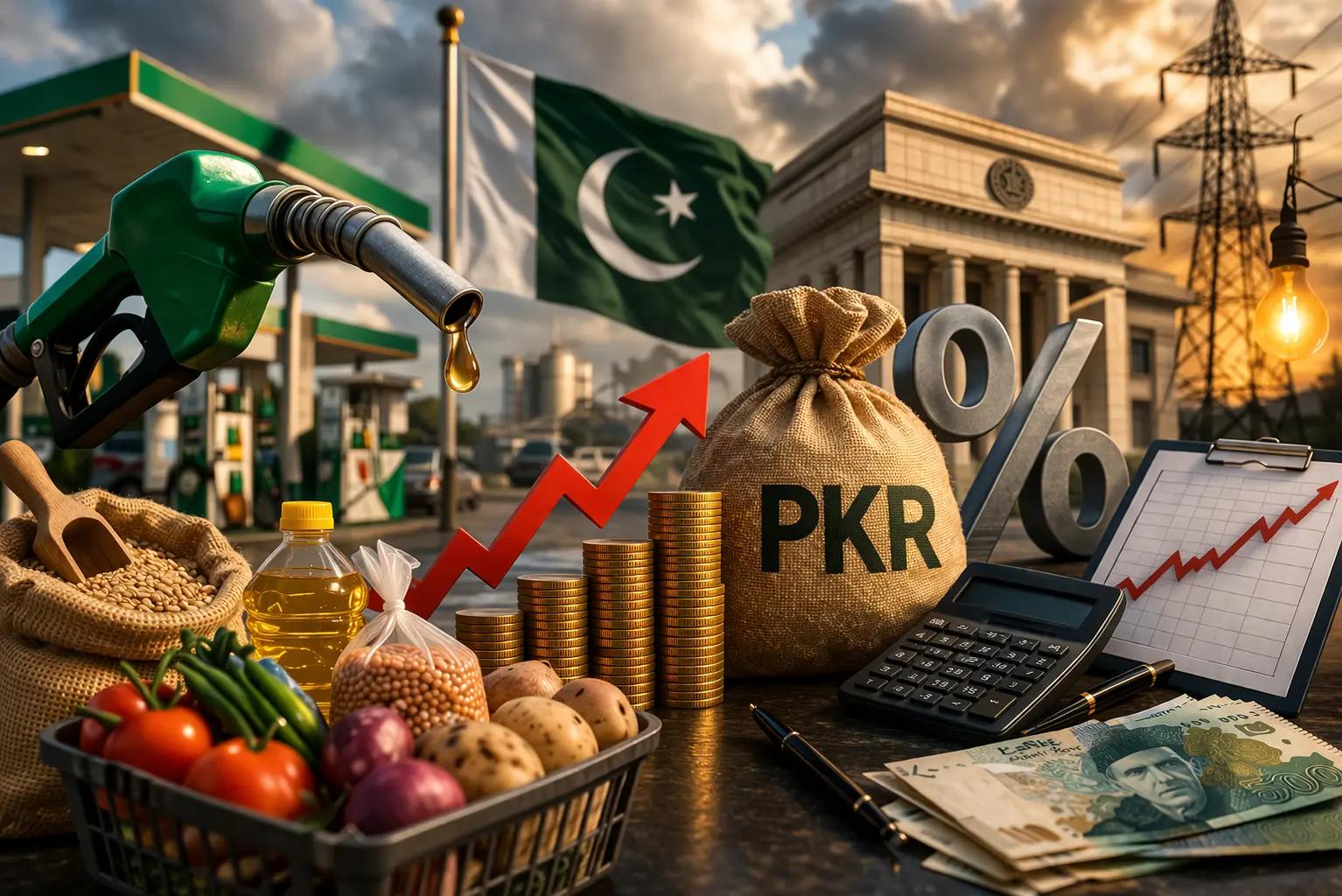

The Pakistan federal budget for fiscal year 2026 to 2027 is a national financial plan that sets the direction of the country economy. It explains how the government will earn money and how it will spend money for public needs. This budget is very important for economic growth stability and development.
The main focus of this budget is to improve the economy reduce inflation support industries and provide better services for citizens. It also aims to strengthen financial discipline and increase national income.
This budget affects every sector of life including business agriculture education health and employment. It also impacts investors workers and students across the country.
Economic Background
Pakistan enters the budget for 2026 to 2027 with mixed economic conditions. Some areas show improvement while other areas still face pressure. Inflation has been a major challenge in recent years. External debt is also a concern for financial planning.
At the same time exports are improving and remittances from overseas workers are increasing. Digital business activity is also growing in the country.
The government is trying to balance spending and income to reduce financial pressure. It also wants to improve economic stability through better policies and reforms.
Global economic conditions also affect Pakistan. Changes in oil prices international trade and interest rates all impact the national economy.
Main Goals of the Budget
The federal budget has several important goals for the fiscal year 2026 to 2027.
The first goal is economic stability. The government wants to control inflation and improve purchasing power of citizens.
The second goal is growth in industries and agriculture. This will help create jobs and increase production.
The third goal is increasing revenue through better tax collection. The government wants to reduce tax evasion and expand the tax system.
The fourth goal is improving public services such as education health transport and clean water supply.
The fifth goal is strengthening digital systems for governance and financial management.
Revenue Plan
Revenue generation is one of the most important parts of the budget. The government depends on tax income customs duties and other financial sources.
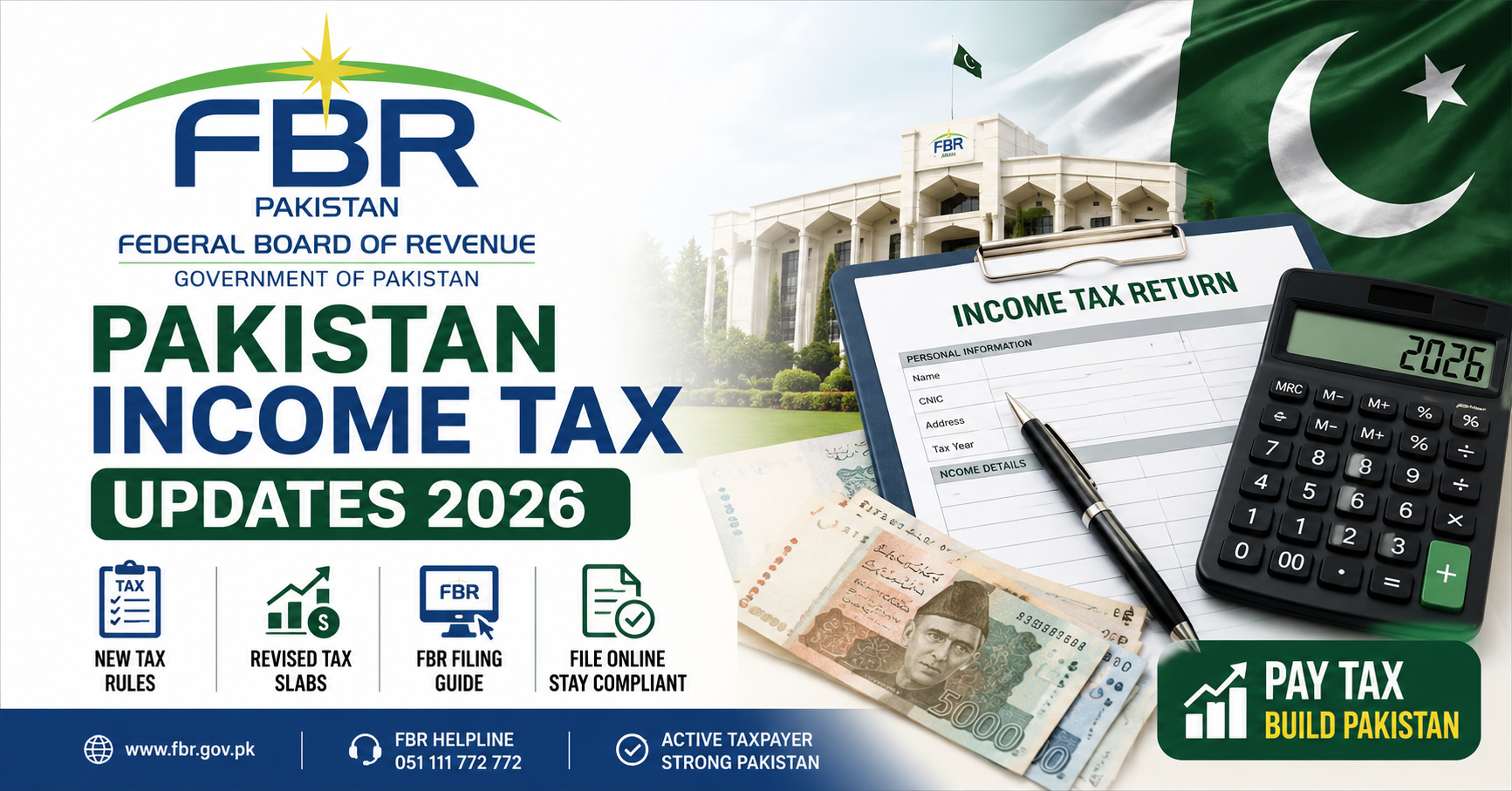
The Federal Board of Revenue is expected to increase tax collection in the fiscal year 2026 to 2027. The plan includes bringing more businesses into the tax system.
Digital systems will be used to track sales imports and business activity. This will help reduce corruption and improve transparency.
The government also wants to reduce tax leakage. This means making sure that all eligible taxpayers pay their fair share.
Non tax revenue sources such as state owned companies will also contribute to national income.
Government Spending Plan
Government spending is divided into several important sectors.
A large portion of the budget is used for debt payments. This is called debt servicing and it is a major financial burden.
Another large part is used for defense and security needs of the country.
Development projects also receive funding. These projects include roads housing and infrastructure improvement.
Social welfare programs also receive funding to help poor families.
Education and health sectors are also part of government spending priorities.
Agriculture Sector Development
Agriculture is the backbone of Pakistan economy. A large part of the population depends on farming.
The budget for 2026 to 2027 is expected to support farmers with subsidies and better facilities.
Farmers may receive support for seeds fertilizers and modern equipment.
The government may also improve irrigation systems to increase crop production.
Crop insurance programs may be expanded to protect farmers from natural disasters.
Better agriculture policies will help increase food production and rural income.
Industrial Growth and Business Support
Industrial development is very important for economic growth. The budget supports manufacturing industries and export sectors.
Small and medium businesses are expected to receive financial support and easier access to loans.
Special industrial zones may receive tax benefits to attract investment.
The government also wants to increase exports in textiles agriculture products and technology services.
Foreign investors may receive incentives to invest in Pakistan economy.
These steps will help create new jobs and improve economic activity.
Inflation Control Strategy
Inflation is one of the biggest economic challenges in Pakistan. The budget includes several measures to control price increases.
The government plans to improve supply chains so that goods reach markets more efficiently.
Energy price management is also important for controlling inflation.
Import costs may be reduced to stabilize prices of essential goods.
Better coordination between monetary policy and fiscal policy will help control inflation.
The goal is to reduce pressure on ordinary citizens and improve living standards.
Education Sector Improvement
Education is a key priority in the budget for 2026 to 2027.
The government plans to improve school infrastructure and provide better learning environments.
Teacher training programs may be expanded to improve education quality.
Digital learning tools may be introduced in schools and colleges.
Scholarships for students may also increase to support higher education.
Better education policies will help build a skilled workforce for the future.
Health Sector Development
The health sector is another important focus area.
The government plans to improve hospitals clinics and emergency services.
Medical staff training and equipment upgrades are also expected.
Programs for child health maternal care and disease prevention will be strengthened.
Access to basic health services will be improved in rural areas.
A stronger health system will improve quality of life for citizens.
Energy Sector Reforms
Energy is a major challenge for Pakistan economy.
The budget focuses on improving energy supply and reducing costs.
Investment in solar and wind energy is expected to increase.
The government also wants to reduce electricity losses in the system.
Efforts will be made to reduce circular debt in the energy sector.
Reliable energy supply is important for industrial growth and daily life.
Infrastructure Development
Infrastructure development is a key part of economic progress.
The budget includes road construction highway expansion and urban development projects.
Public transport systems in cities may also be improved.
Better infrastructure will support trade tourism and industry.
Construction projects will also create employment opportunities.
Strong infrastructure helps connect regions and improve economic activity.
Tax System Reforms
Tax reforms are an important part of the budget strategy.
The government wants to simplify tax procedures and make them more transparent.
Digital tax filing systems will reduce manual work and errors.
More people will be encouraged to become part of the tax system.
This will increase national revenue and improve financial stability.
Fair taxation is important for economic balance.
Foreign Investment and Trade Growth
Pakistan is focusing on attracting foreign investment in the budget period.
Investor friendly policies will improve confidence in the market.
Trade relationships with other countries may also improve.
Export growth is expected in textile agriculture and technology sectors.
Better foreign investment will help strengthen foreign reserves.
A strong trade system supports long term economic stability.
Social Welfare Programs
Social welfare programs help support low income families.
Cash support programs may continue for poor households.
Housing schemes may also be expanded for needy families.
The government aims to reduce poverty through targeted support.
These programs improve social equality and living standards.
Challenges in Budget Implementation
There are several challenges in implementing the budget for 2026 to 2027.
High debt payments reduce available funds for development.
Inflation continues to create pressure on households.
Tax collection remains a difficult area.
Energy shortages also affect industrial growth.
Global economic uncertainty adds further risk.
The government must carefully manage resources to achieve goals.
Conclusion
The Pakistan federal budget for fiscal year 2026 to 2027 is a detailed economic plan focused on growth stability and reform. It aims to improve tax collection support industries control inflation and strengthen public services.
The budget focuses on agriculture industry education health energy and infrastructure development. It also promotes foreign investment and digital governance.
Although challenges exist the budget provides a roadmap for economic improvement. Successful implementation will depend on strong policy execution and financial discipline.
This budget plays a key role in shaping the future of Pakistan economy and improving the lives of its people.