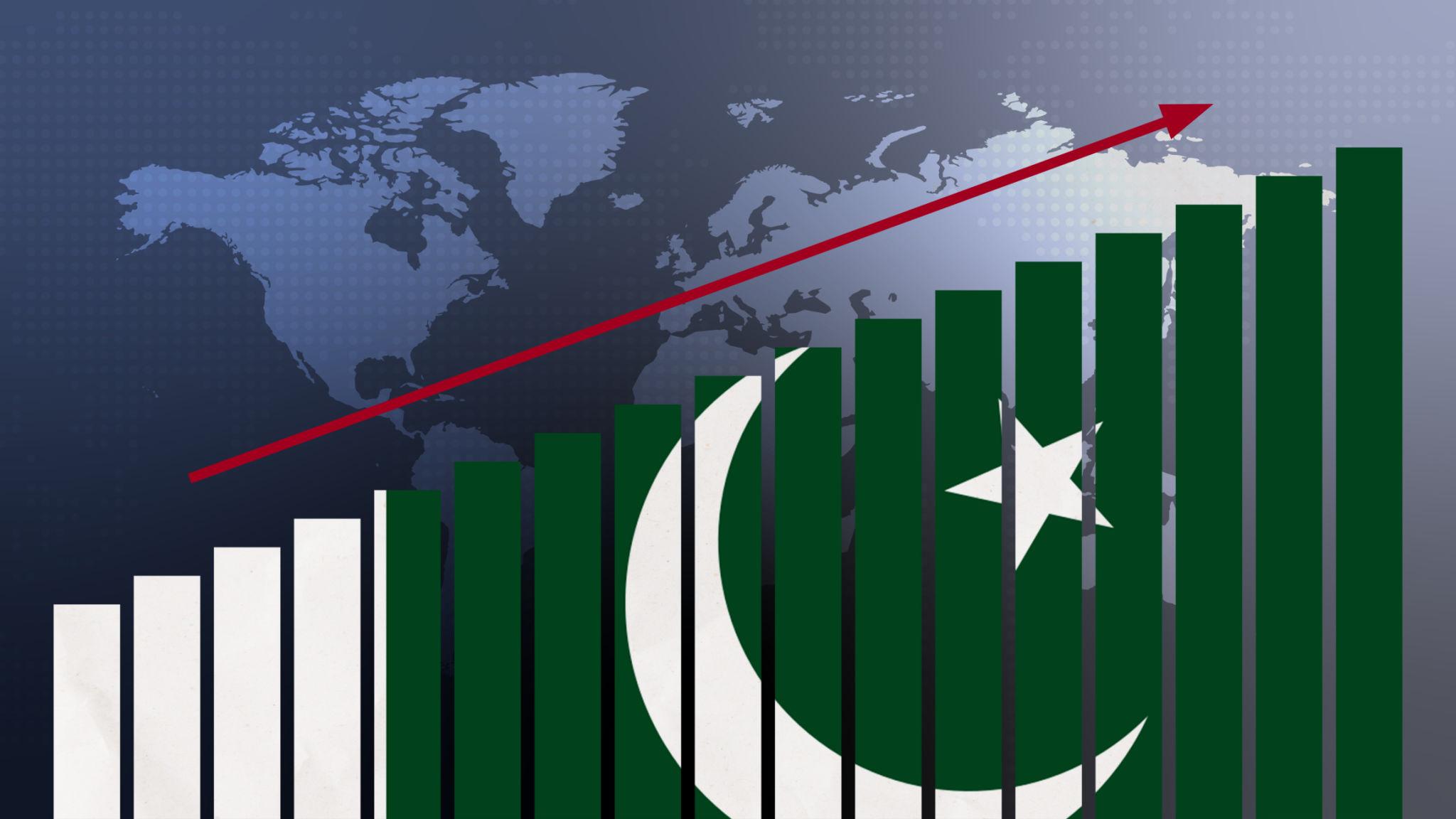

Income tax remains one of the most discussed financial topics in Pakistan. Every year salaried workers business owners freelancers and investors closely watch government decisions that affect tax rates and filing requirements. In 2026 income tax continues to play a major role in the national economy as authorities focus on increasing revenue and expanding the tax base.
Many people often feel confused about tax rules because changes can happen from one financial year to another. Understanding these updates is important because they directly affect personal income business planning and financial management. Whether someone works in a private company runs a small business or earns income through online platforms tax obligations remain an important part of financial life.
The government uses tax revenue to support public services and development projects. Funds collected through taxes help finance infrastructure education healthcare security and other important sectors. Because of this income tax remains a key source of revenue for the country.
One of the most important aspects of the current tax structure is the tax free income threshold. Individuals earning below the specified limit do not pay income tax. This provides relief to lower income groups and helps protect households from additional financial pressure. People earning above the threshold become subject to tax according to the applicable income slabs.
The tax system in Pakistan follows a progressive structure. This means that individuals with higher earnings pay a larger percentage of tax compared to those with lower earnings. The goal is to distribute the tax burden more fairly across different income levels. As income increases the tax rate also increases which results in greater contributions from higher earning individuals.
Salaried employees represent a significant portion of taxpayers in Pakistan. Employers usually deduct taxes directly from salaries before payments are made to employees. This process helps ensure compliance and simplifies tax collection. Employees can review their deductions and file annual tax returns to maintain accurate records.
Business owners face a different set of responsibilities. They must maintain financial records calculate profits and ensure taxes are paid according to legal requirements. Proper record keeping is essential because it helps businesses remain compliant and avoid penalties. Many businesses now use digital systems to track income expenses and tax obligations.
Freelancers have become an increasingly important part of the economy. The growth of online work has allowed many Pakistanis to earn income from international clients. Freelancers are also required to understand tax obligations and file returns when necessary. As digital services continue to expand tax awareness among freelancers has become more important than ever.
The government has also focused on encouraging tax compliance through digital platforms. Online filing systems make it easier for taxpayers to submit returns and access information. This shift toward digital services has reduced paperwork and improved efficiency. Many individuals who previously found tax filing complicated can now complete the process more easily.
Tax filing offers benefits beyond legal compliance. Individuals who file returns can gain access to advantages available to active taxpayers. These benefits may include lower withholding tax rates and smoother financial transactions. Maintaining active taxpayer status has therefore become valuable for many citizens.
Recent discussions around income tax have also highlighted the importance of broadening the tax net. Authorities aim to bring more individuals and businesses into the formal tax system. Expanding the taxpayer base can help reduce pressure on existing taxpayers and increase overall revenue collection. Experts often argue that a wider tax base contributes to a more balanced and sustainable system.
Small businesses continue to receive significant attention in tax policy discussions. These businesses play an important role in economic growth and job creation. Policymakers often seek ways to balance revenue generation with support for entrepreneurship. The objective is to encourage business activity while ensuring fair tax contributions.
The retail sector remains another important area of focus. Efforts to improve documentation and reporting standards aim to increase transparency and strengthen tax collection. Better documentation can help authorities gain a clearer understanding of economic activity while also promoting fairness within the system.
Tax education is becoming increasingly important across the country. Many people remain unfamiliar with filing procedures tax rates and available exemptions. Educational campaigns and digital resources help improve understanding and encourage voluntary compliance. Increased awareness can reduce mistakes and make the tax process less intimidating.
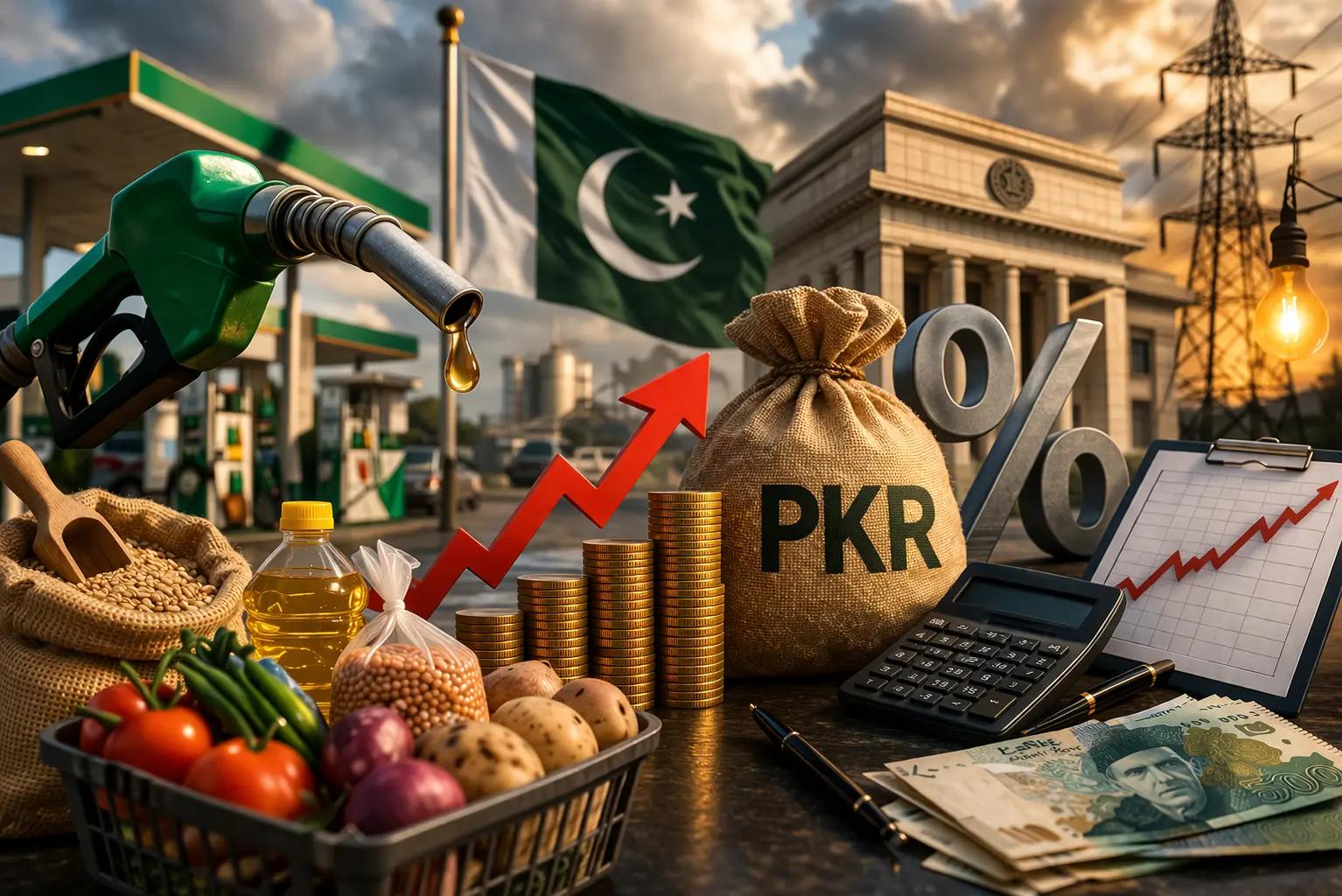
Economic conditions also influence tax policy decisions. Governments often evaluate inflation growth rates and revenue requirements when making changes to tax structures. These factors can affect income thresholds tax rates and administrative policies. Tax systems therefore evolve in response to changing economic realities.
For households financial planning has become more important than ever. Understanding tax obligations allows families to manage budgets effectively and avoid unexpected expenses. Individuals who track income and maintain proper records are generally better prepared during tax season. Financial discipline can help reduce stress and improve long term stability.
Many professionals recommend maintaining accurate documentation throughout the year rather than waiting until filing deadlines approach. Keeping records of income investments and expenses can simplify the filing process and reduce the likelihood of errors. Good documentation also provides protection if questions arise regarding financial information.
Technology continues to reshape tax administration. Online portals mobile applications and digital payment systems have improved accessibility for taxpayers. These innovations make it easier to submit information verify records and receive updates. As digital infrastructure expands tax related services are expected to become even more convenient.
Another important topic is transparency. Citizens often want to know how tax revenue is being used and how public funds contribute to national development. Greater transparency can strengthen public confidence and encourage higher levels of compliance. When taxpayers see the benefits of public spending they may be more willing to fulfill their obligations.
The relationship between taxation and economic growth remains an important subject for policymakers. A well designed tax system can generate revenue while supporting investment and business activity. Finding the right balance is essential because excessive burdens may discourage economic activity while insufficient revenue can limit government services.
Young professionals entering the workforce are increasingly learning about taxes at an earlier stage. Understanding tax responsibilities from the beginning of a career can help individuals make informed financial decisions. Knowledge of deductions filing requirements and compliance rules contributes to better financial management over time.
Looking ahead income tax policy in Pakistan is likely to remain a major topic of discussion. Economic challenges technological developments and changing workforce patterns will continue to influence decision making. Policymakers will need to balance revenue needs with economic growth and taxpayer concerns.
For citizens the most important step is staying informed. Tax rules may change over time and understanding current requirements can help individuals avoid penalties and make smarter financial choices. Reliable information and proper planning are essential tools for navigating the tax system successfully.
Income tax is more than a legal requirement. It is a key part of the relationship between citizens and the state. Revenue collected through taxes helps fund essential services and supports national development efforts. At the same time fair and efficient administration encourages trust and participation.
As Pakistan moves forward efforts to modernize tax collection improve compliance and expand the taxpayer base will continue shaping the financial landscape. Individuals businesses and policymakers all play important roles in creating a system that supports growth fairness and long term economic stability. By understanding tax obligations and staying updated on new developments citizens can better prepare for the future and contribute to a stronger economy.