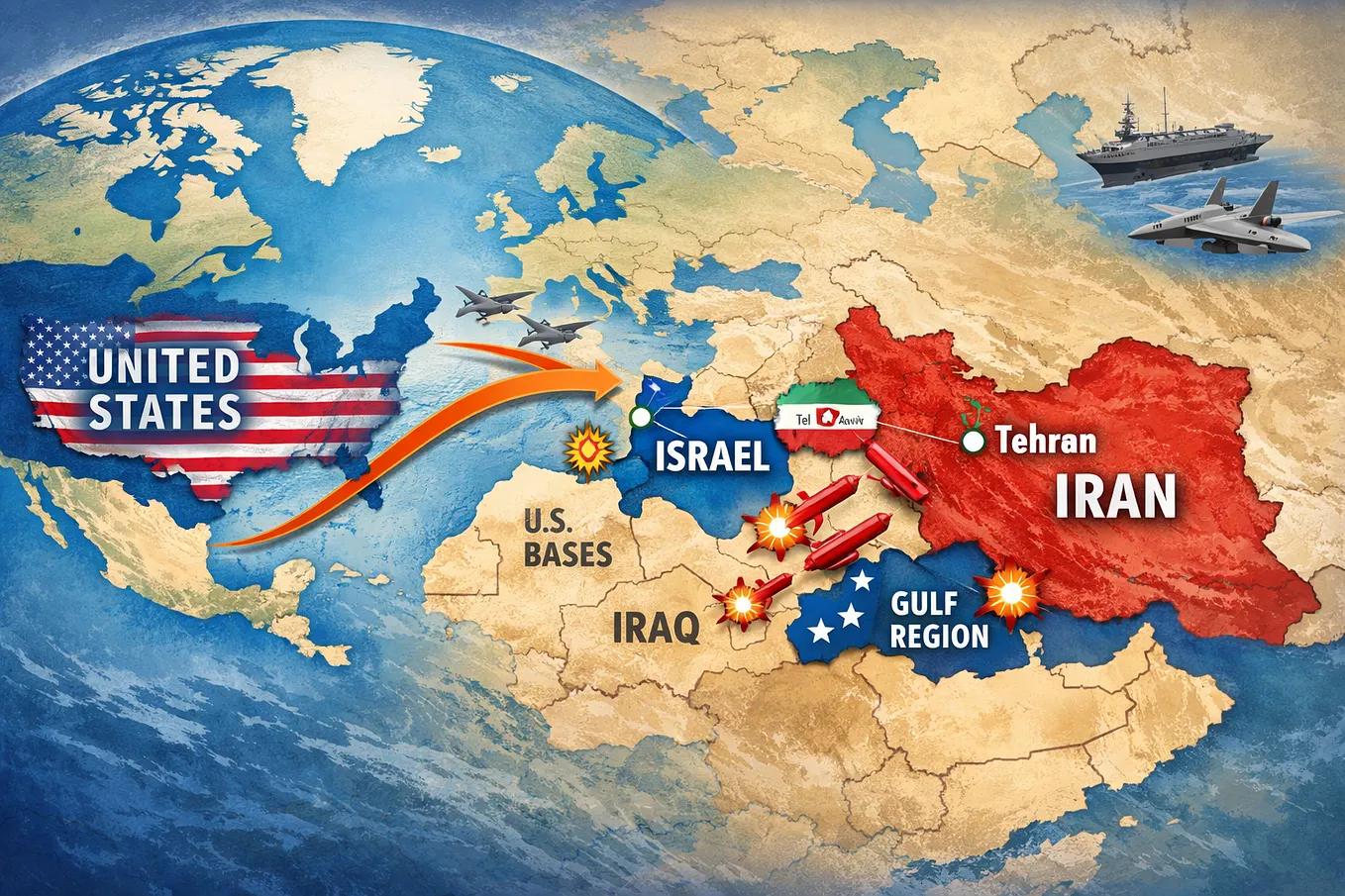

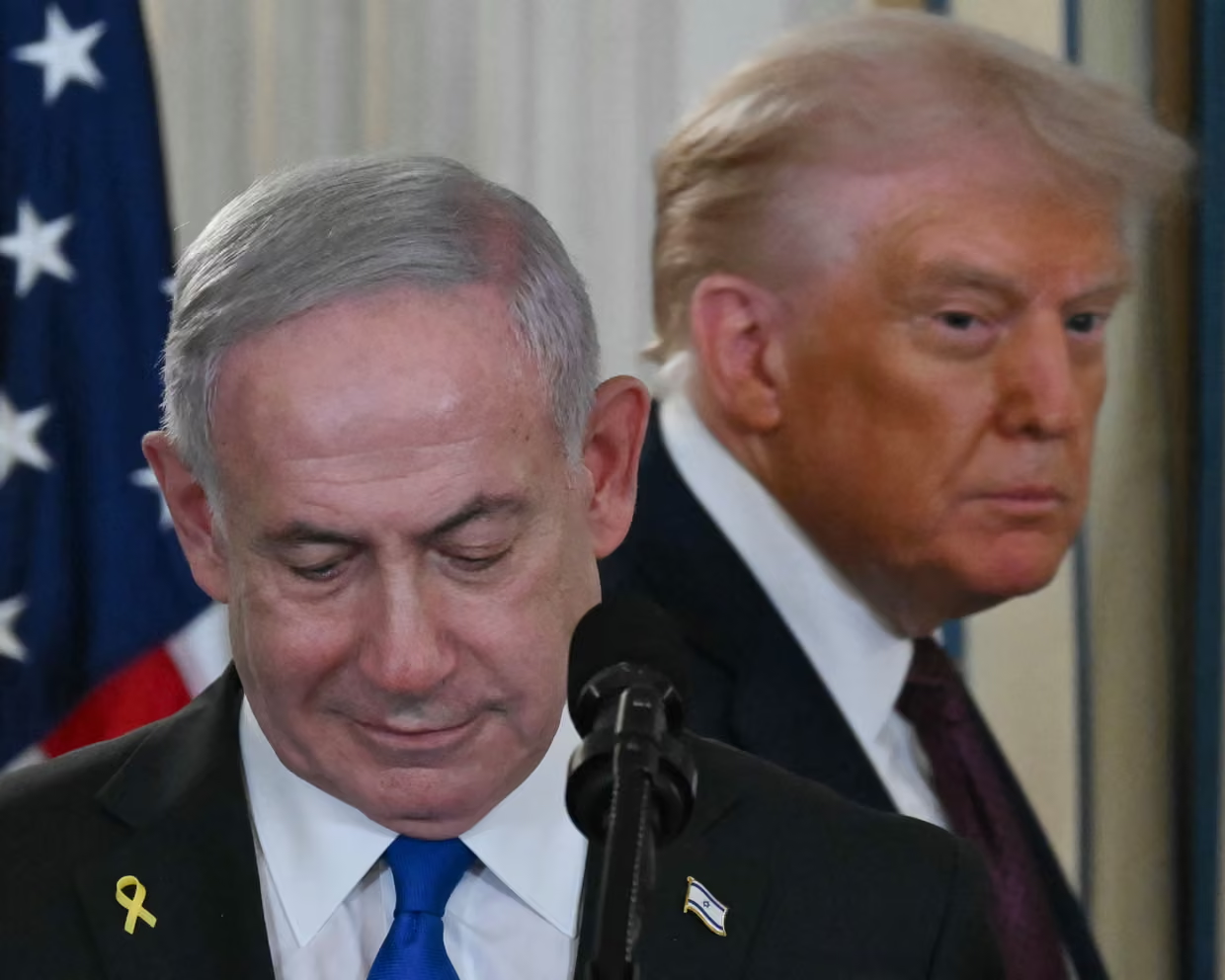
In a shocking turn of events the Middle East has seen a significant escalation as Israel carried out air strikes against Iran despite appeals from former United States President Donald Trump for restraint. This development has heightened global concerns about stability in the region and the potential for broader conflict. The news has captured international attention and is being closely monitored by governments and media outlets across the world.
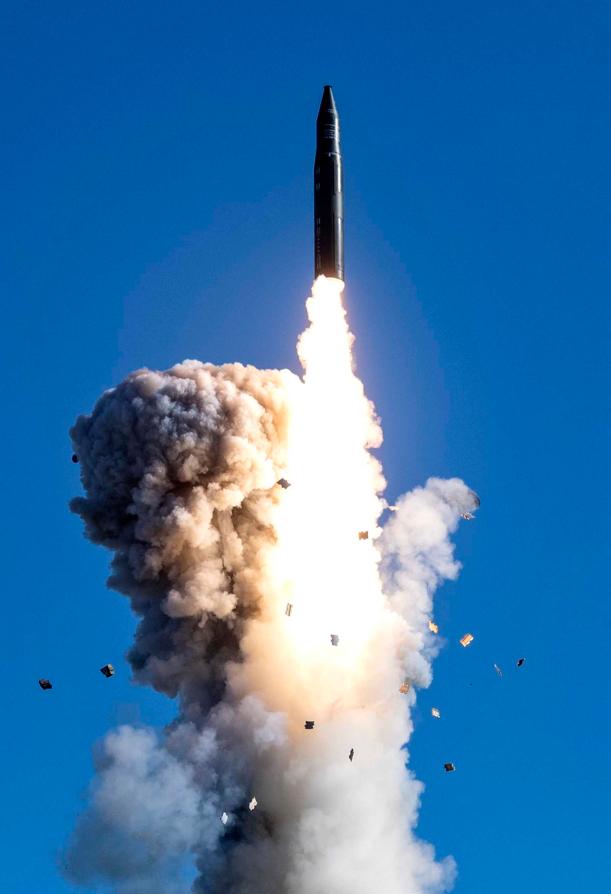
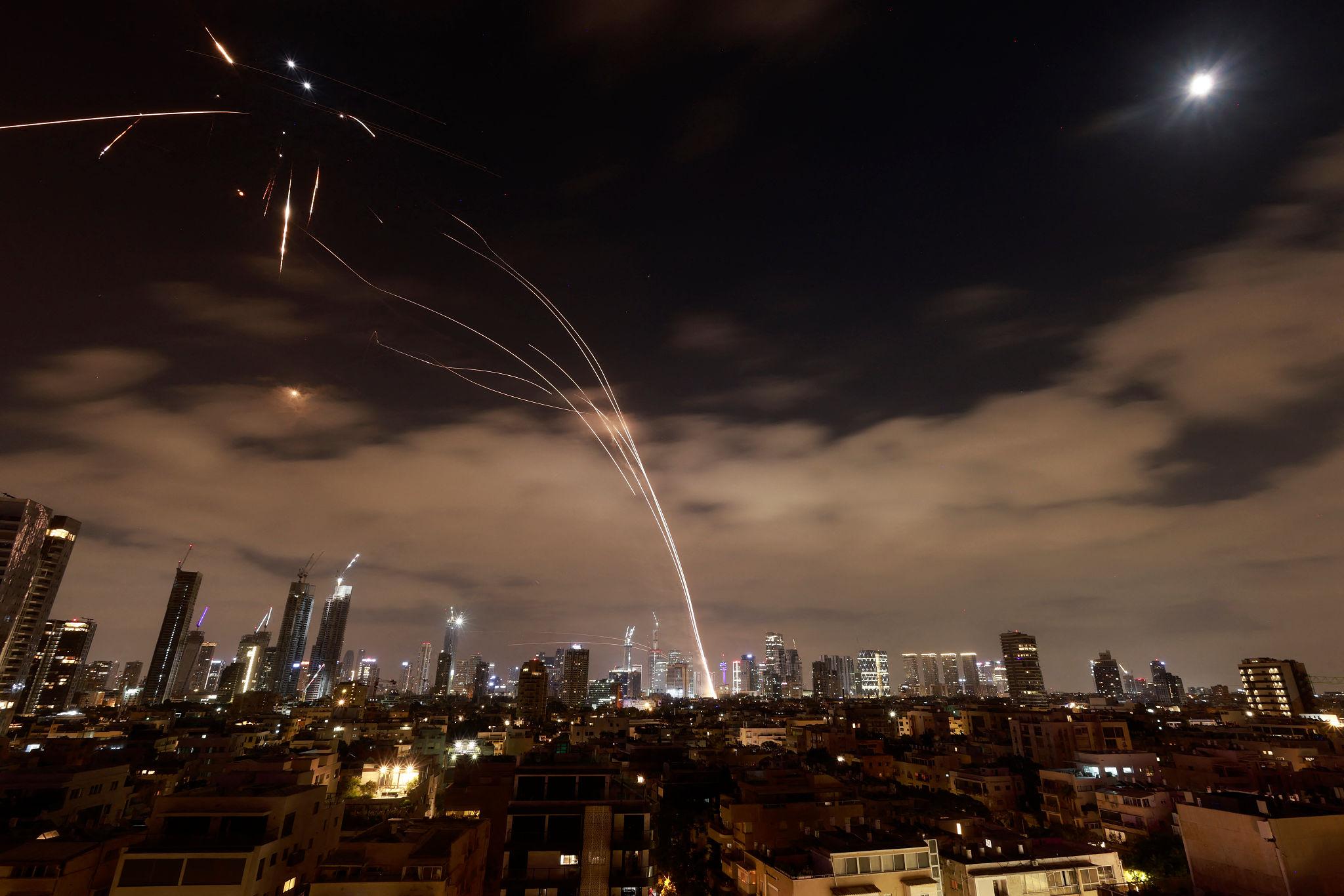
The air strikes reportedly targeted several Iranian military facilities that Israel claimed were being used to develop advanced weapons capable of threatening its security. The timing of these strikes comes after weeks of mounting tensions between Israel and Iran over regional influence and military capabilities. Despite President Trumps public call for diplomacy and calm the Israeli government decided to proceed with its operations citing immediate security concerns. This move has sparked debate among international experts and policymakers about the delicate balance between national defense and regional peace efforts.
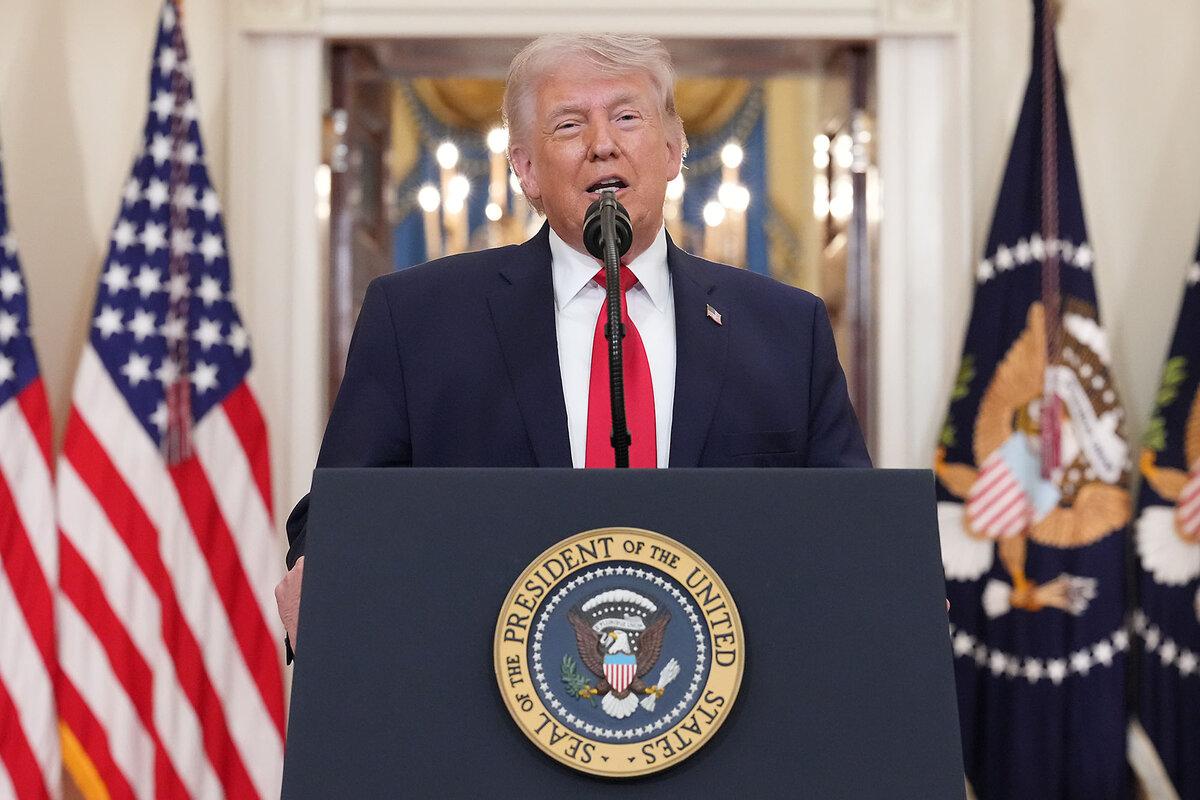
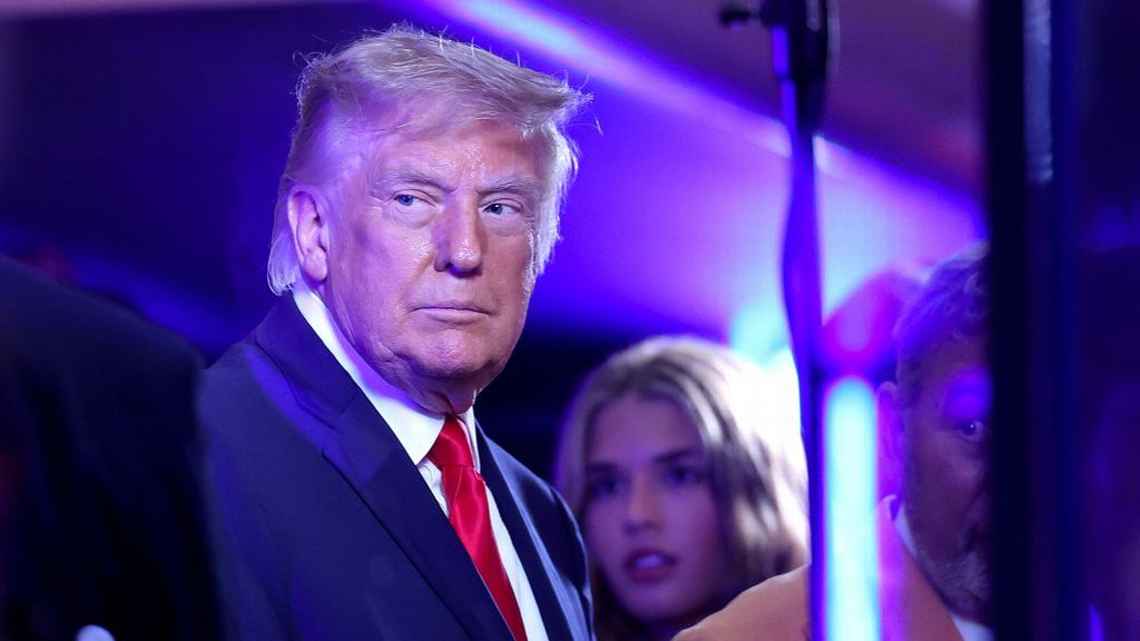
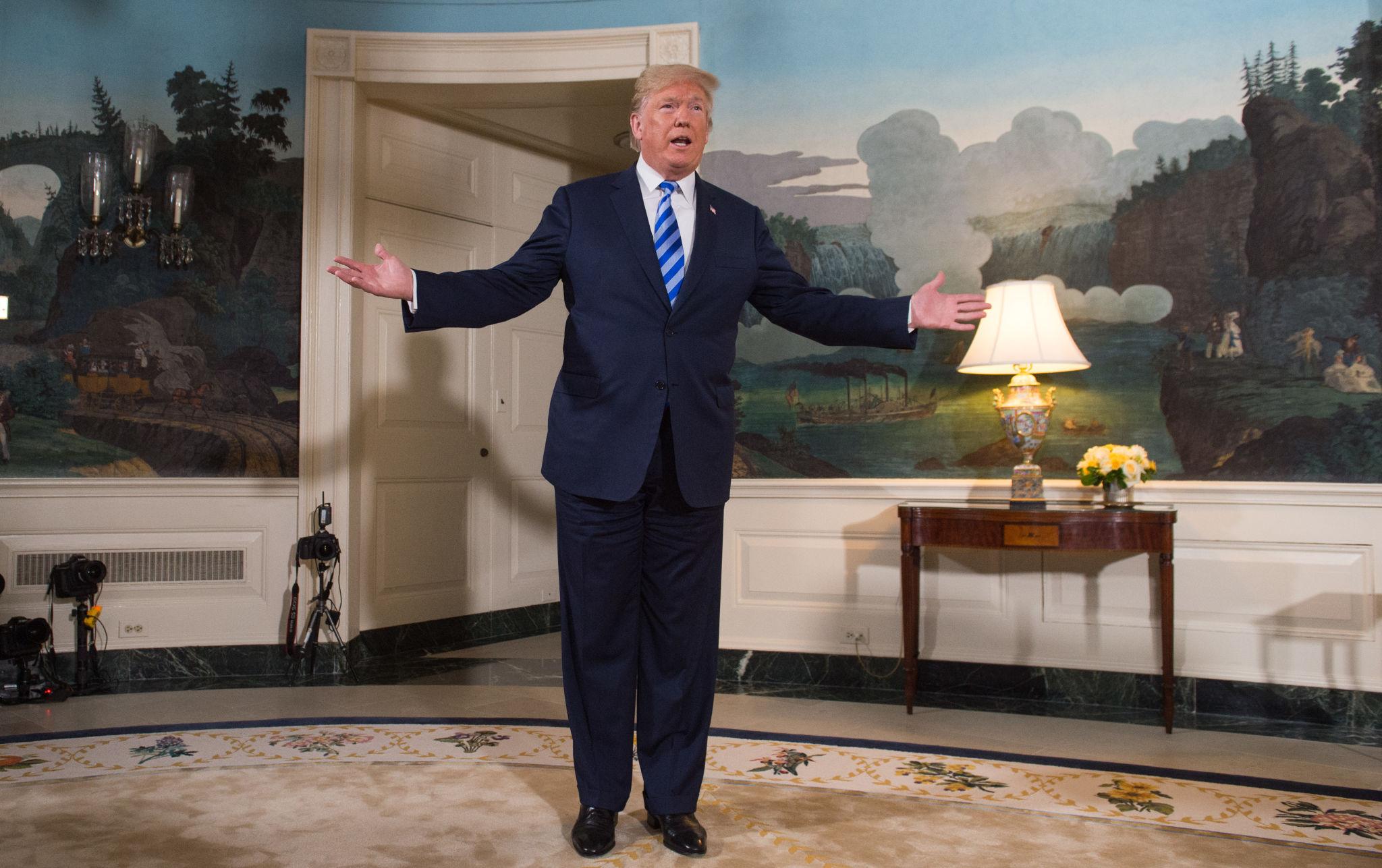
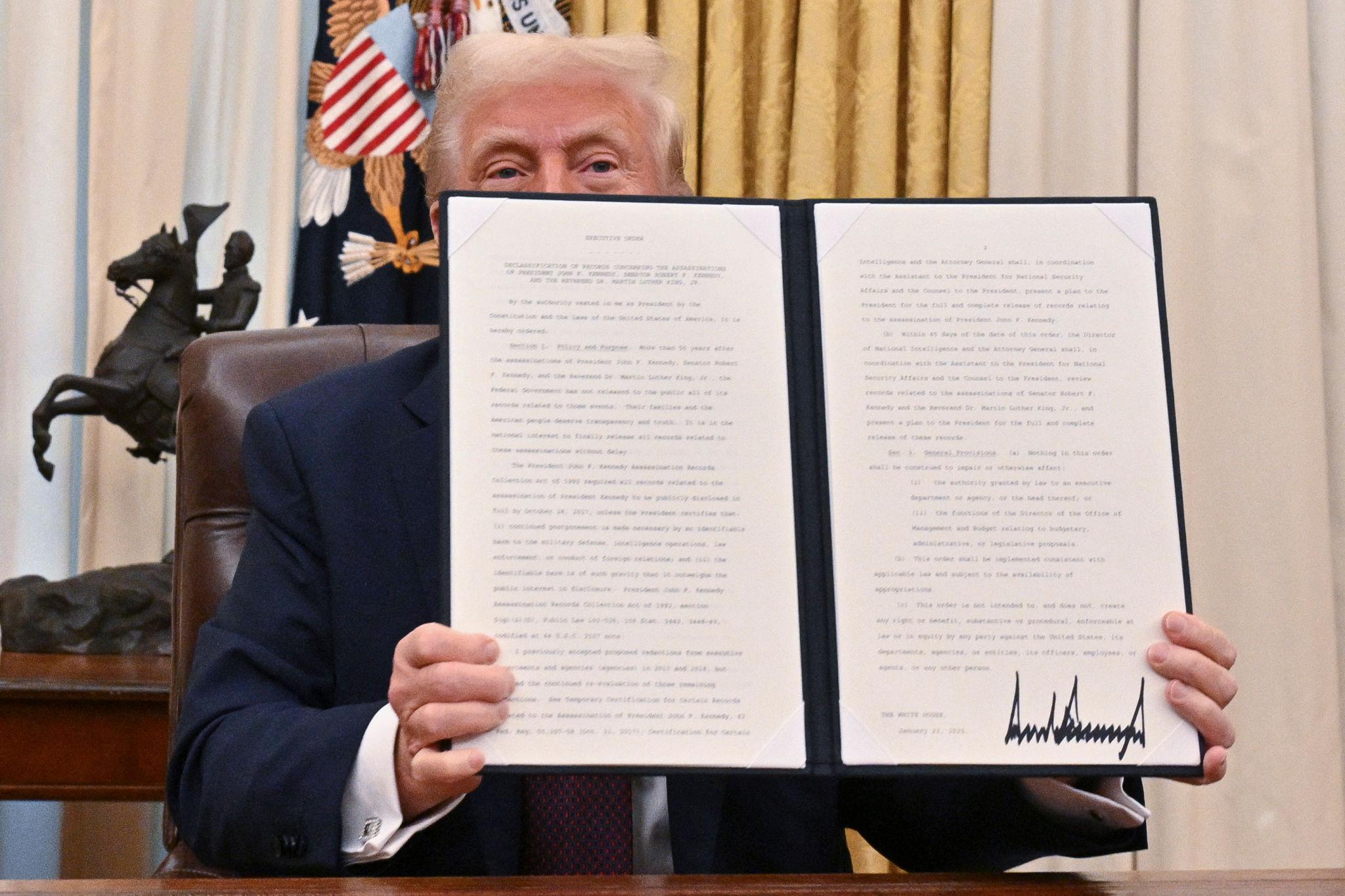
President Trump in his statement urged both sides to step back from the brink of conflict and consider diplomatic channels as a way to resolve tensions. He emphasized the importance of negotiation over military action and called for the United States to play a proactive role in mediating the dispute. However the Israeli government maintained that the strikes were necessary to neutralize threats that could not be addressed through diplomatic means. Israeli officials also highlighted that intelligence reports had indicated imminent threats that required immediate action to protect civilian populations.
The strikes have caused a significant reaction within Iran where government officials condemned the Israeli actions and vowed to respond. Iranian leaders characterized the attacks as violations of international law and acts of aggression that undermine regional stability. The situation has raised fears of retaliation and the possibility of a cycle of escalation that could involve other countries in the region. Military analysts are closely monitoring troop movements and strategic communications from both nations to assess the likelihood of further conflict.
In the international community reactions have been mixed with some countries supporting Israel’s right to self-defense and others urging restraint and dialogue. The United Nations has called for both parties to engage in discussions and avoid actions that could escalate tensions further. Several European nations also expressed concern over the potential humanitarian consequences of continued military action. Human rights organizations have raised alarms about the impact on civilians in affected areas and the need for immediate humanitarian support and aid delivery.
Experts suggest that the roots of the conflict are complex and involve a combination of historical grievances political rivalries and strategic interests in the region. Israel and Iran have long been at odds over issues such as territorial influence support for proxy groups and nuclear ambitions. The recent strikes underscore the fragility of peace in the region and the difficulty of maintaining stability in an environment where security threats are perceived as immediate and existential. Analysts warn that without a robust diplomatic framework the risk of further escalation remains high.
Media coverage of the strikes has been extensive with news outlets around the world providing detailed updates and analysis. Social media platforms have also been flooded with reactions from ordinary citizens officials and experts expressing their opinions on the unfolding situation. There is particular focus on the role of the United States and how former President Trumps appeal for calm fits into broader geopolitical strategies. While the immediate impact has been military the long-term consequences may influence international relations trade and energy security in significant ways.
One key area of concern is the potential disruption to energy markets. Iran is a major player in global oil supply and any conflict in the region could impact production and transportation routes. Market analysts are already reporting fluctuations in oil prices as investors respond to news of the air strikes. This adds another layer of complexity to the situation as economic consequences could extend far beyond the region affecting global markets and international trade flows.
Another dimension of the crisis is the impact on civilians in both Israel and Iran. While governments focus on military strategy the human cost of conflict is often overlooked. Reports suggest that residents near targeted sites have been evacuated and emergency services are on high alert. Humanitarian organizations are calling for safe corridors and protection for civilians caught in the crossfire. The fear of escalation has also led to heightened anxiety among populations across the region who remember past conflicts and their devastating effects.
The role of intelligence and military strategy in these events cannot be underestimated. Israel’s ability to conduct precise air strikes indicates a high level of intelligence gathering and technological capability. Similarly Iran’s responses and defensive measures are being closely monitored to understand its capabilities and intentions. Military analysts are studying the patterns of engagement to predict possible future moves and assess the likelihood of continued escalation. The complex interplay of defense systems surveillance and strategic decision-making shapes the unfolding crisis in significant ways.
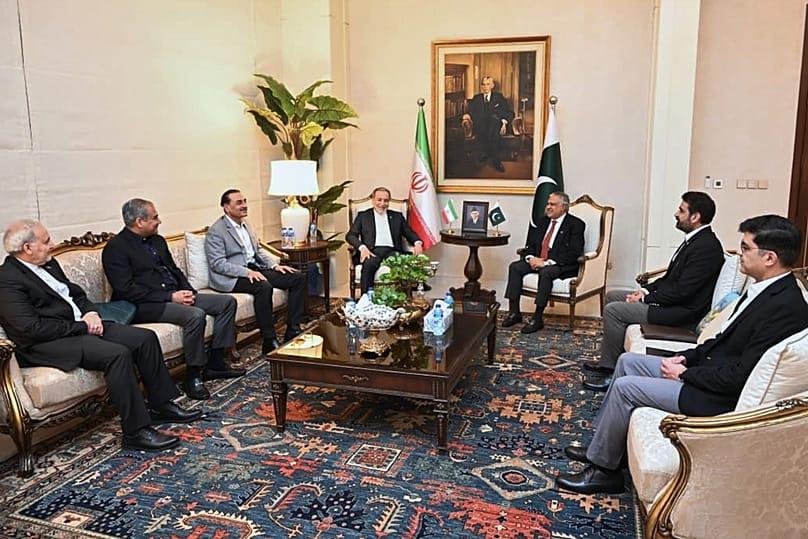
Diplomacy continues to be a key focus for the international community. Efforts to mediate between Israel and Iran are underway with multiple countries offering to facilitate dialogue. While past attempts at negotiation have faced challenges the urgency of the current situation has prompted renewed interest in diplomatic solutions. Former President Trump has reiterated the importance of negotiation and has suggested that the United States could play a central role in preventing further conflict. The success of these efforts will depend on the willingness of both sides to compromise and prioritize long-term peace over immediate tactical gains.
The strikes also highlight broader geopolitical trends in the Middle East. Regional powers are watching closely and considering how the situation affects their own strategic interests. Alliances and rivalries could shift depending on how Israel and Iran proceed in the coming days. Observers note that the situation could influence arms deals security cooperation and political alignments across the region. The international community is aware that a localized conflict could have ripple effects far beyond the immediate area of engagement.
Analysts stress that understanding the motivations of both Israel and Iran is crucial for predicting future developments. Israel’s actions are driven by a perceived need to protect its citizens and maintain strategic advantage. Iran’s responses are influenced by national pride security considerations and regional ambitions. The intersection of these motivations creates a high-stakes environment where miscalculations can have serious consequences. Careful monitoring of diplomatic signals military movements and public statements is essential for anyone seeking to grasp the trajectory of the conflict.
Technology and cyber capabilities are also part of the modern dimension of this conflict. Both Israel and Iran have advanced cyber infrastructure and the potential for cyber operations to complement or complicate military actions is significant. Experts suggest that cyber threats could target critical infrastructure communications and even influence public perception. The integration of traditional military strategies with modern technological tools underscores the evolving nature of conflict in the 21st century.
The international media continues to cover these developments with a focus on providing context and analysis. News outlets are exploring historical background the strategic significance of the strikes and possible scenarios for escalation or resolution. The role of former President Trump in urging restraint has also been highlighted as part of the broader geopolitical narrative. Public interest remains high as citizens around the world seek to understand the implications of the conflict and what it could mean for global stability.
From a human perspective the situation is tense and uncertain. Families in affected areas are facing difficult decisions as they navigate safety concerns and disruptions to daily life. Emergency response teams are working under pressure to provide assistance and maintain order. Humanitarian organizations emphasize the importance of access to food water medical care and shelter for those impacted by the conflict. The human dimension serves as a reminder that beyond political and military considerations the well-being of ordinary people remains at stake.
Looking ahead the path to de-escalation will likely require a combination of diplomatic engagement security assurances and regional cooperation. Former President Trump and other international leaders have called for renewed dialogue and mechanisms to prevent accidental escalation. While the current situation is volatile there remains hope that careful negotiation and strategic patience can prevent a wider conflict. Analysts stress that history has shown the costs of war can be severe and that proactive efforts to maintain peace are essential.
In conclusion the recent air strikes by Israel against Iran despite former President Trumps appeal for calm represent a significant moment in Middle Eastern geopolitics. The situation is complex involving security concerns political considerations and the potential for humanitarian impact. Global attention is focused on how both nations will proceed and what role the international community will play in preventing further escalation. The events serve as a reminder of the fragile nature of peace in the region and the need for careful diplomacy to address underlying tensions. Observers and analysts continue to monitor the situation closely anticipating developments that could shape the future of regional and global stability.
The coming days will be crucial in determining whether dialogue and restraint can prevail over immediate military objectives. For now the world watches as Israel and Iran navigate a tense and uncertain path forward with the hopes of preventing a wider conflict and ensuring the safety and security of populations across the region.