

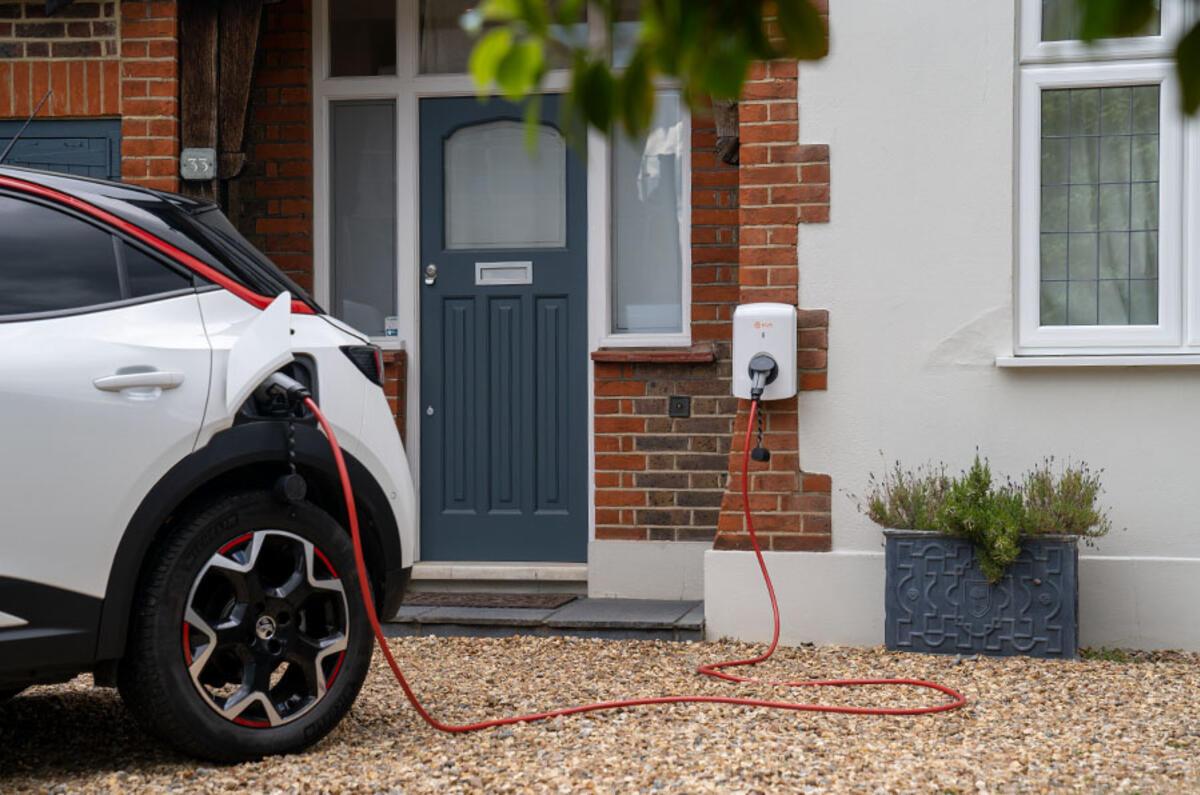
England driveway EV charger rules are becoming important as more people switch to electric vehicles in the United Kingdom. Many homeowners want to install charging points at home to make daily charging easier and cheaper. Understanding the rules helps avoid problems with permission safety and installation standards. The rules are mainly controlled by local councils building regulations and national energy guidelines. In most cases installing a charger on a private driveway is allowed but there are conditions that must be followed. These conditions ensure safety for the home electrical system and public grid. This article explains all main rules in simple English so homeowners can understand what is allowed what is restricted and how to install an EV charger correctly in England.
In England a driveway is usually considered private land. This means most EV charger installations do not need full planning permission. However the installation must follow strict electrical safety rules. The charger must be installed by a qualified electrician who is registered with an approved scheme. The cable must not create a hazard on pavements or public areas. If the driveway is shared or rented extra permission may be required from the property owner or housing association. Some areas have additional local rules if the property is in a conservation zone or listed building. Homeowners should always check local council guidance before starting installation. The goal of these rules is to protect safety and prevent damage to public infrastructure. Even though the process is simple in most cases it is still important to follow every requirement carefully to avoid penalties or unsafe installations.
Planning permission for EV chargers in England is generally not required for a standard home installation. This is because most chargers fall under permitted development rights. These rights allow homeowners to make small changes to their property without formal approval. However there are exceptions. If the charger is installed on a building wall facing a public road planning permission may be required. If the property is in a protected area rules may be stricter. It is also important to ensure that the charger does not exceed size limits set by regulations. Homeowners should also consider visibility and placement to reduce risk to pedestrians. Even when permission is not needed it is still recommended to inform the local authority. This helps avoid future disputes. Following these rules ensures a smooth installation process without legal issues.
Building regulations are very important for EV charger installation in England. These rules focus on electrical safety and fire protection. The installation must comply with Part P electrical safety standards. This means only certified electricians can carry out the work. The charger must be connected safely to the home electrical system with proper circuit protection. The wiring must be suitable for high power load. Proper earthing must be in place to prevent electrical faults. In some cases surge protection devices are required to protect against power spikes. After installation the electrician usually provides a certificate to confirm compliance. Homeowners should keep this certificate as proof of safe installation. Failure to follow building regulations can lead to safety risks and legal issues. It can also make property sales more difficult in the future. Following building rules ensures long term safety and reliability of the charging system.
The electrical grid connection is another key part of EV charger rules in England. Most home chargers use standard domestic power supply. However the total load must be checked before installation. If a home already uses high power appliances the electrician may suggest upgrading the supply. Smart chargers are recommended because they balance energy use and prevent overload. In some cases permission from the energy provider may be required for higher power chargers. The goal is to avoid strain on the local electricity network. Homeowners should also consider off peak charging times to reduce costs and pressure on the grid. Proper planning ensures stable performance and safe energy usage for daily charging needs.
Installation rules for EV chargers in England are strict to ensure safety and performance. Only certified installers should perform the work. The charger must be suitable for outdoor use if installed on a driveway. It should have weather protection and strong casing. The location must allow safe access without blocking walkways or parking space. Cable management is important to prevent trip hazards. Installers must test the system after completion. They also need to provide documentation confirming compliance. Many modern chargers include smart features that allow remote monitoring and scheduling. These features help improve efficiency and reduce energy costs. Homeowners should choose chargers that meet British safety standards. Following these installation rules ensures a safe and reliable charging system for long term use.
The United Kingdom government supports EV charger installation through grants and schemes. These programs help reduce the cost for homeowners. The Electric Vehicle Chargepoint Grant is one of the main support options. It can lower the installation cost for eligible homes. To qualify the property must meet certain conditions such as having off street parking. The installer must also be approved under the scheme. These grants aim to encourage more people to switch to electric vehicles. They also support environmental goals by reducing emissions. Homeowners should check eligibility before applying. The process usually involves the installer handling the application. This makes it easier for the customer to benefit from the discount without extra paperwork.
Safety standards are a core part of EV charger rules in England. Chargers must meet British Standard requirements. This ensures they are safe for home use. Devices must include protection against overheating and electrical faults. Residual current protection is essential for preventing shocks. Regular inspection is also recommended after installation. Homeowners should avoid using damaged cables or connectors. Any faults should be repaired immediately by a qualified electrician. Safety also includes correct placement away from water sources. Proper ventilation is important for some charger types. Following these safety standards reduces risk of accidents and ensures long term reliability of the system.
Cost of EV charger installation in England varies based on charger type and home setup. Basic installations are usually cheaper while advanced smart chargers cost more. On average homeowners can expect a range depending on electrical work required. If upgrades to the home fuse box are needed the cost increases. Government grants can reduce the total price significantly for eligible users. It is important to get a full quote from a certified installer before starting work. This helps avoid unexpected expenses. Choosing a reliable installer ensures better safety and long term performance. Homeowners should compare options and check reviews before making a decision. Quality installation is more important than choosing the cheapest option because it affects safety and charging speed.
Another important part of understanding EV charger rules is maintenance after installation. Regular checks help ensure the system continues to work safely. Homeowners should look for warning signs such as overheating unusual noise or slow charging. If any issue appears it should be inspected by a qualified electrician. Keeping the charger clean and free from dust also improves performance. Software updates may be available for smart chargers and should be installed when needed. These updates can improve efficiency and security. Proper maintenance extends the lifespan of the charger and reduces repair costs over time. It also ensures compliance with safety expectations in England.
Homeowners in England should always follow professional advice when installing EV chargers. It is not recommended to attempt installation without certification. The combination of electrical safety rules planning guidance and building regulations ensures that installations remain safe and reliable. As electric vehicles become more common the importance of correct installation will continue to grow. Following official rules also helps protect property value and reduces long term risks. Choosing the right location for the charger on the driveway is also important for convenience and safety. It should be easy to access and should not block movement of vehicles or people. Proper planning at the beginning saves time and money later. EV charging at home is a convenient solution when done correctly and it supports a cleaner environment in England.
Before installing an EV charger homeowners should also think about future needs. Electric vehicles are improving quickly and charging technology is also changing. Choosing a charger that supports future upgrades is a smart decision. It can save money in the long run and reduce the need for replacement. It is also useful to consider energy tariffs that offer cheaper electricity at night. This can significantly reduce charging costs over time. Homeowners should stay updated with new rules from authorities in England because regulations may change as technology develops. Staying informed ensures continued compliance and safe usage. A well planned installation today can provide reliable service for many years and support the transition toward sustainable transport in England.