
Karachi is facing one of the hottest summers in recent years and people across Pakistan are searching for updates about the dangerous heatwave conditions in the city The rising temperature has become a major topic on television social media and news websites because millions of people are struggling with extreme weather every day
The weather in Karachi has changed rapidly during recent weeks and citizens say the heat feels more intense than normal The roads become empty during afternoon because people try to avoid going outside under the burning sun Workers students drivers and shopkeepers all suffer because of the hot winds and humidity
Many people in Karachi say nights are also becoming uncomfortable because the heat continues even after sunset Fans and air conditioners run all night but families still struggle to sleep especially during electricity load shedding
Karachi is already one of the biggest cities in Pakistan and when temperatures rise to dangerous levels daily life becomes very difficult for everyone Hospitals start receiving heatstroke patients water usage increases and electricity demand becomes very high at the same time
Weather experts say climate change is making heatwaves stronger every year and cities like Karachi are becoming more vulnerable because of pollution population growth and lack of green spaces The city has more concrete buildings fewer trees and heavy traffic which traps heat and increases temperatures during summer season
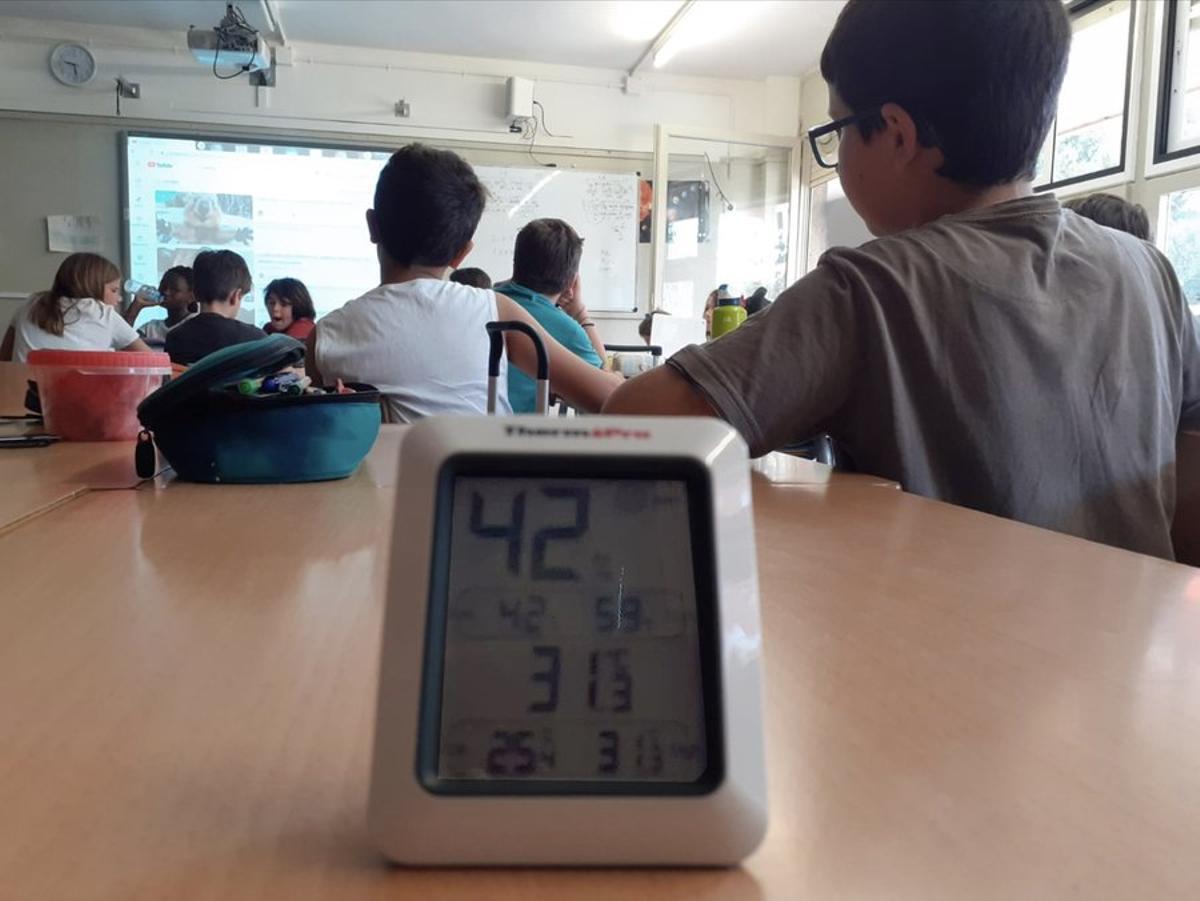
During the latest heatwave temperatures crossed dangerous levels and many areas felt like burning zones during daytime Citizens complained that hot dry winds replaced the usual sea breeze which normally gives relief to the city The combination of extreme heat and humidity created difficult conditions for millions of residents
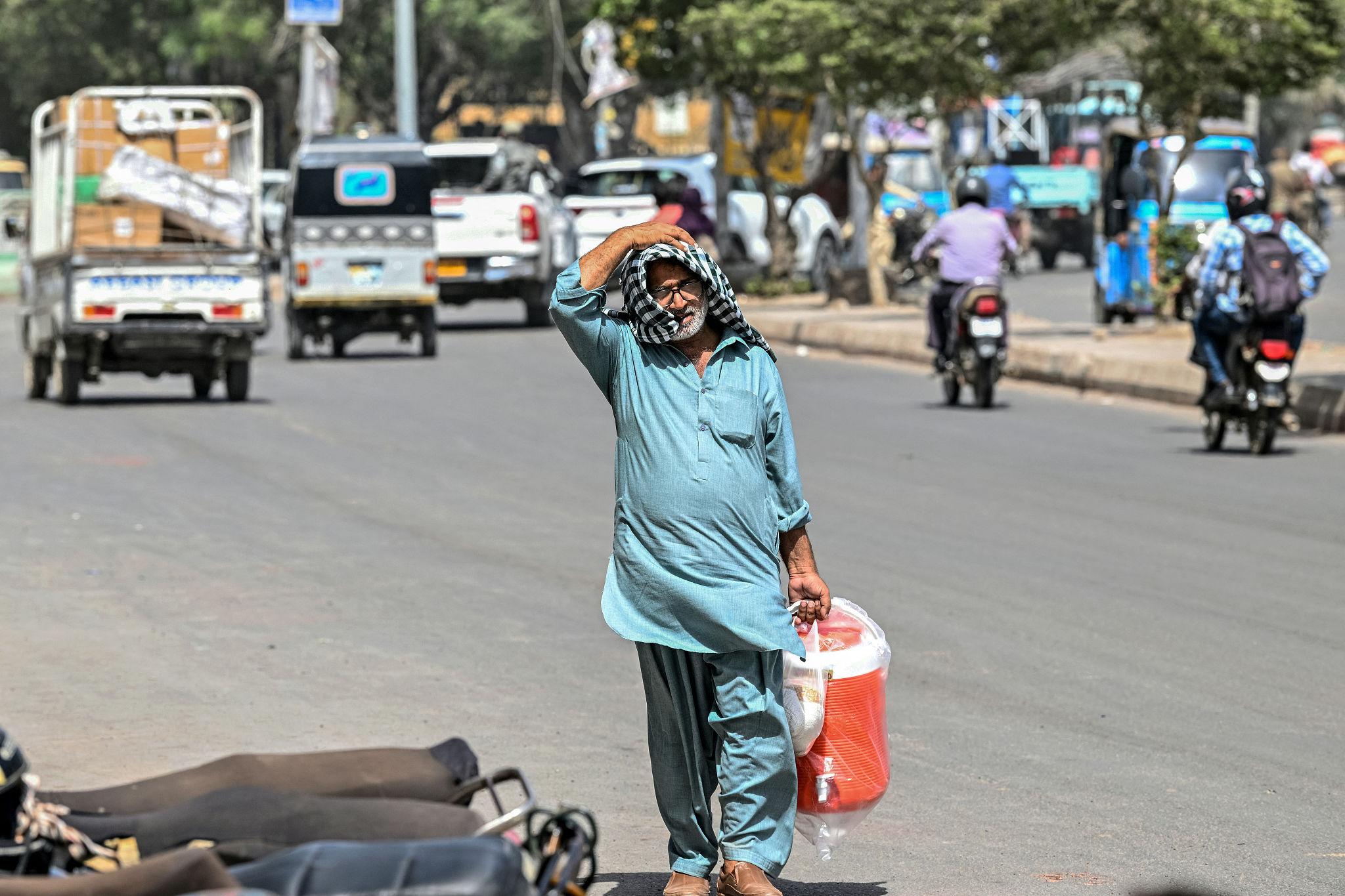
People who work outdoors face the biggest problems during heatwaves Construction workers delivery riders traffic police laborers and street vendors spend long hours under direct sunlight because they depend on daily income to support their families Many workers cover their faces with cloth and keep water bottles with them but the heat still affects their health and energy
Families also face problems inside homes because electricity cuts continue in some areas During load shedding rooms become extremely hot and children elderly people and sick patients suffer the most Some people visit shopping malls parks or beaches during evening hours just to escape the heat for some time
Doctors warn that heatwaves can become life threatening if people ignore safety precautions Heatstroke dehydration weakness dizziness headache and breathing problems become common during extreme weather Medical experts advise people to drink plenty of water avoid direct sunlight and wear light clothes during daytime
Children and older citizens need extra protection because their bodies become weak quickly in hot temperatures Doctors also tell people not to leave children inside parked vehicles because temperatures inside cars can rise very fast and become dangerous within minutes
Karachi residents remember the deadly heatwave from past years when many people lost their lives because of extreme temperatures Since then every major heatwave creates fear among citizens because people know how quickly the situation can become serious if authorities are not fully prepared
Social media users continue posting videos and pictures showing empty roads exhausted workers crowded hospitals and power outages These videos spread quickly online and increase discussion about climate problems and poor infrastructure in Karachi. Many citizens say the city needs better emergency planning more trees improved water supply and stronger electricity systems to deal with future heatwaves Environmental experts believe urban areas in Pakistan must start preparing for more severe weather events because climate conditions are changing every year. Climate scientists say South Asia is becoming one of the regions most affected by global warming Countries like Pakistan India and Bangladesh are now experiencing hotter summers longer heatwaves and unusual weather patterns Experts warn that future temperatures could become even higher if environmental damage continues around the world. Karachi faces additional pressure because of traffic pollution industrial emissions and overpopulation The city keeps expanding with more roads buildings and vehicles while green areas continue decreasing Trees that once helped cool the environment are disappearing and this increases urban heat levels during summer months. Many environmental activists say people and authorities must take climate issues seriously because heatwaves are now affecting health economy and daily life across Pakistan The rising temperatures are not only weather problems but also economic and social challenges for the country
Business activity in Karachi also slows during extreme heat Many customers avoid markets during afternoon because of dangerous temperatures Shopkeepers say sales decrease during peak heat hours because people prefer staying indoors Restaurants tea stalls and roadside businesses also experience lower customer traffic during daytime
Public transport passengers face serious discomfort because buses and vans become overcrowded and very hot Many people arrive at offices already exhausted because of traveling under extreme heat conditions Rickshaw drivers and bike riders also struggle because roads become hotter during afternoon hours
The electricity situation becomes another major issue during heatwaves because power usage increases rapidly Families use fans coolers and air conditioners for long hours and this puts pressure on the electricity system Load shedding during extreme temperatures creates anger and frustration among citizens because people cannot tolerate the heat without cooling appliances
Water shortage is another growing problem in Karachi Some neighborhoods receive limited water supply during summer and people struggle to store enough water for drinking bathing and cooling purposes Without proper hydration the risk of dehydration and heat related illnesses increases quickly
Weather departments continue issuing heat alerts and warnings for Karachi and other parts of Sindh Authorities advise citizens to avoid unnecessary travel during daytime and stay protected from direct sunlight Emergency services and hospitals remain on alert because heatwaves can quickly create medical emergencies in crowded urban areas
Schools and offices sometimes discuss changing timings during severe weather conditions because students and workers face difficulties traveling in dangerous heat Parents worry about children returning home under burning temperatures and some families prefer keeping children indoors during peak afternoon hours
Experts say Pakistan must improve disaster management systems because climate related emergencies are increasing every year Heatwaves floods storms and droughts are becoming more common and cities need stronger planning to protect citizens from future environmental crises
Karachi population continues growing rapidly and this creates additional pressure on roads hospitals electricity water supply and housing systems When extreme weather arrives the existing infrastructure struggles to handle the situation properly
Many citizens believe tree plantation campaigns can help reduce urban heat because trees provide shade and improve air quality Environmental groups continue asking authorities to increase green spaces protect parks and reduce pollution levels in the city
People across Pakistan search weather updates every hour during heatwave season Keywords related to Karachi temperature heat alert and weather crisis become highly trending because citizens want instant information about rising temperatures and possible relief from the hot weather
News channels also focus heavily on Karachi heatwave stories because the city has a massive population and any major weather event there quickly becomes national news Television reporters visit hospitals markets roads and residential areas to show how people are dealing with the extreme temperatures
Despite the difficult conditions many Karachi residents continue working hard every day People travel to offices run small businesses and manage daily responsibilities even during dangerous heat levels This shows the strength and resilience of the city population during challenging times
Some citizens hope monsoon rains will arrive early and bring relief from the unbearable weather Cooler sea winds and cloudy conditions can help lower temperatures and improve comfort for residents after long periods of intense heat
Experts warn that heatwaves may become normal in future years and Pakistan must start preparing seriously for climate challenges Better city planning stronger healthcare systems improved electricity supply and environmental protection will become necessary to protect millions of people from dangerous weather conditions
Karachi current heatwave is not just another summer story It is a warning sign showing how climate change is affecting daily life in Pakistan Rising temperatures pollution and population pressure are creating serious challenges for the future and citizens are now realizing the importance of environmental awareness and climate preparation more than ever before.