
The latest Presidential Records Act ruling has become one of the biggest political and legal stories in America Many people across the country are discussing the court decision because it involves government records presidential power and transparency inside the White House
The recent ruling came after legal arguments about whether White House officials and executive staff must continue following rules related to preserving presidential records A federal judge decided that government officials still need to follow the Presidential Records Act and cannot ignore the law
This news quickly became popular on television social media and political websites because the case could affect how future presidents and administrations handle important government documents
Many legal experts historians and political analysts believe this ruling may shape future debates about presidential authority government transparency and protection of national records
The Presidential Records Act itself was created many years ago after the Watergate scandal in America Before this law many presidential documents were treated like private property but lawmakers later decided these records should belong to the American people and government
The law was designed to make sure important White House records are saved protected and preserved for history Researchers journalists and historians often use these records to understand major decisions and events from different presidential administrations
In recent months the law returned to public attention because legal questions were raised about whether the President and executive branch officials must fully follow these record preservation rules
The court ruling now says the administration cannot simply ignore the Presidential Records Act This decision became important because it supports the idea that government documents and official communications must remain protected
Many transparency groups celebrated the ruling because they believe preserving records helps maintain accountability in government They argue that future generations deserve access to important historical information connected to presidential decisions
Supporters of the ruling say preserving records is necessary for democracy because government actions should remain documented and available for public understanding
Critics however argue that some presidential powers should remain independent from congressional control They believe presidents need flexibility when handling internal White House communications and executive decisions
This disagreement has now created a major legal and political debate across America
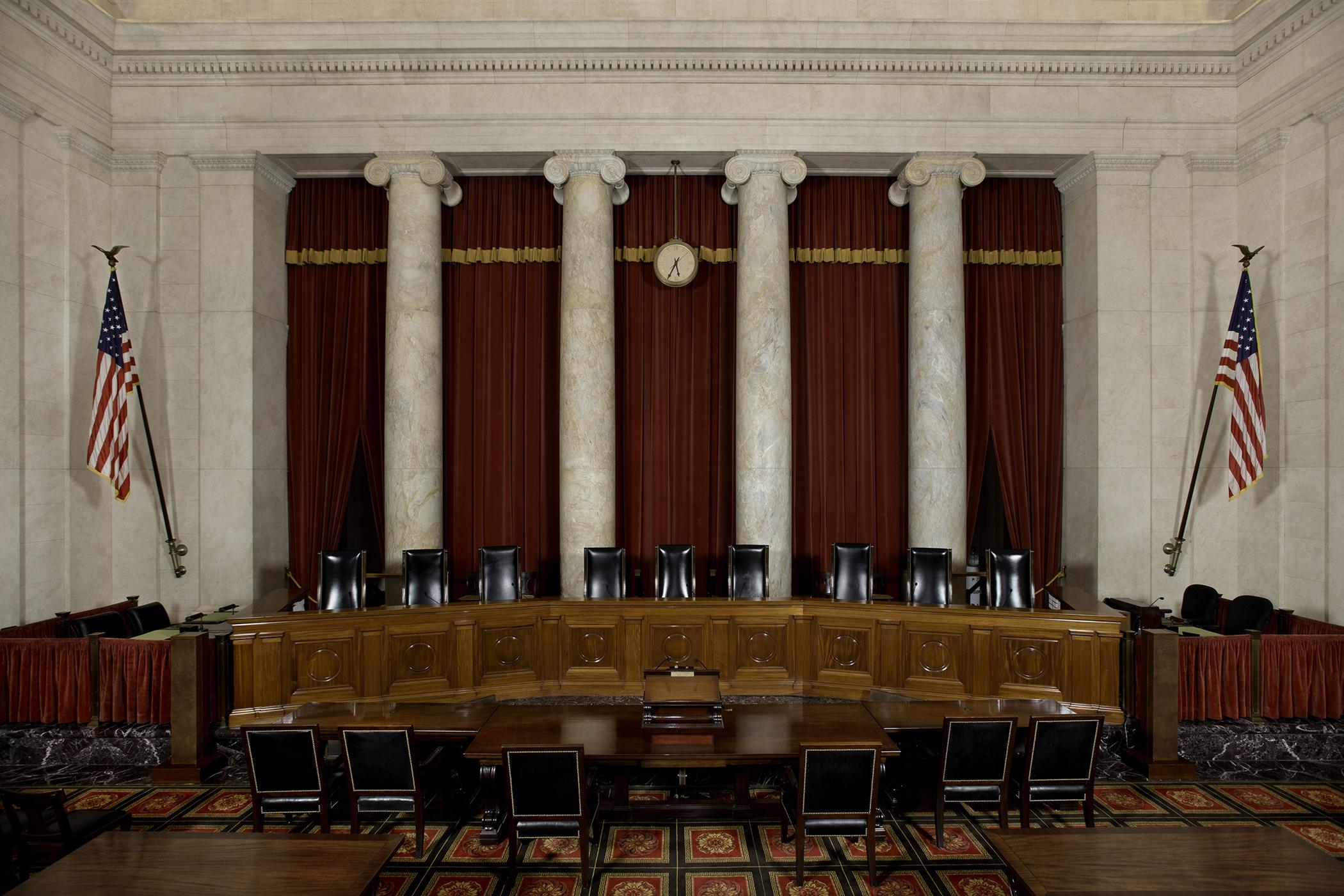
The court decision was made by a federal judge in Washington who rejected arguments claiming the Presidential Records Act was unconstitutional The judge explained that preserving government records serves an important national purpose
According to reports the ruling also directs White House officials and executive agencies to continue protecting presidential records and official communications
The decision does not only affect one political party because future administrations from both Democrats and Republicans could face similar legal questions
Many political experts say the case may eventually reach higher courts if legal challenges continue Some observers even believe the issue could become important during future election campaigns
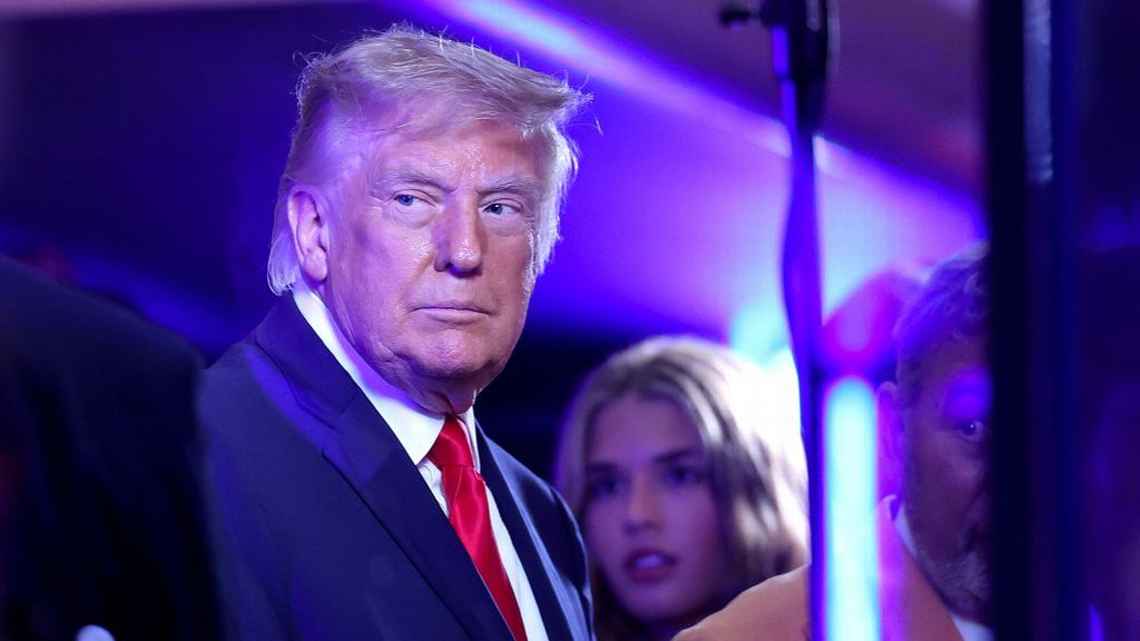
The story has also attracted attention because former President Donald Trump has faced previous legal controversies related to government documents and presidential records
Although this new ruling mainly focuses on government compliance with the law many people naturally connected it to earlier national debates about classified documents and record keeping
News channels across America continue discussing whether the decision strengthens government transparency or limits executive authority
Some constitutional experts support the ruling because they believe no administration should have unlimited control over historical government records They say protecting official documents helps prevent misuse or destruction of important information
Others believe the executive branch should have stronger independence from outside oversight especially regarding internal presidential communications
This debate has increased public interest in constitutional law and presidential powers Many Americans who normally do not follow legal news are now paying attention to the issue
Political analysts also say the ruling highlights how courts continue playing a major role in balancing powers between different branches of government
The Presidential Records Act may sound technical but its impact reaches far beyond legal circles because government records often shape public understanding of major events wars economic policies national emergencies and diplomatic decisions
When presidential documents remain preserved historians can later study how leaders made difficult choices during important moments in history
Without proper preservation future generations could lose access to valuable historical information
This is one reason many libraries universities and history organizations supported the court ruling They believe protecting records benefits education journalism and democracy
The legal fight started after questions emerged about whether certain executive branch officials were required to preserve official communications and government documents
Some Justice Department opinions had argued that parts of the law might exceed congressional authority but the judge disagreed with that interpretation
Now the ruling has created another chapter in the continuing national debate over presidential authority and government oversight
Many political supporters on both sides continue arguing strongly online Social media platforms became full of reactions opinions and heated discussions after the ruling became public
Some people praised the judge for defending transparency while others criticized the decision and warned it could weaken presidential independence
This strong public reaction shows how deeply divided political opinions remain in modern American politics
Meanwhile historians continue emphasizing the importance of preserving presidential records because many famous moments in American history were understood later through official government documents
Researchers have often relied on presidential archives to study wars foreign policy economic crises civil rights movements and emergency responses
Without these preserved records many details about past administrations might never become fully known
The ruling therefore carries importance not only for current politics but also for future historical research
Government watchdog organizations also welcomed the decision because they believe accountability becomes stronger when official communications are preserved
These groups often argue that transparency helps prevent corruption misuse of power and destruction of important evidence
They believe the Presidential Records Act protects democratic values by ensuring government actions remain documented
At the same time some political voices argue presidents need confidentiality for sensitive discussions and decision making especially during national security situations
This disagreement between transparency and executive independence has existed in American politics for many years
Legal experts now expect more court battles related to presidential authority and record preservation in the future because constitutional questions around executive power continue evolving
The case may also influence how future White House administrations manage emails communications digital records and official meetings
Technology has changed government operations greatly during recent decades which makes record preservation even more complicated than before
Modern administrations now use digital communication systems social media and electronic messaging which creates new challenges for preserving official records properly
Experts say future legal rules may need updates to address these technological changes
For now however the latest ruling sends a clear message that courts expect executive officials to continue following preservation requirements under the Presidential Records Act
Many Americans will continue watching this legal story closely because it touches issues involving politics law history transparency and presidential authority all at the same time
Television networks newspapers and online political websites are expected to keep covering the case because public interest remains very high
The debate surrounding presidential records may continue for months or even years depending on future appeals and legal decisions
Political leaders from both parties may also use the issue during speeches interviews and election discussions because questions about government accountability often become major political topics
The ruling has once again reminded Americans how important constitutional law remains in shaping national government systems
It also highlights the continuing role of federal courts in resolving disputes between executive authority and congressional oversight
As legal battles continue many people across America remain divided over what level of presidential power should exist and how much transparency government officials should provide
The Presidential Records Act ruling therefore represents more than a simple court decision It has become a major national conversation involving democracy history law and political power
Many experts believe the final impact of this legal fight may not become fully clear until future administrations face similar questions about preserving official government records
For now the latest court ruling stands as an important moment in the continuing debate over presidential authority and government transparency in the United States.