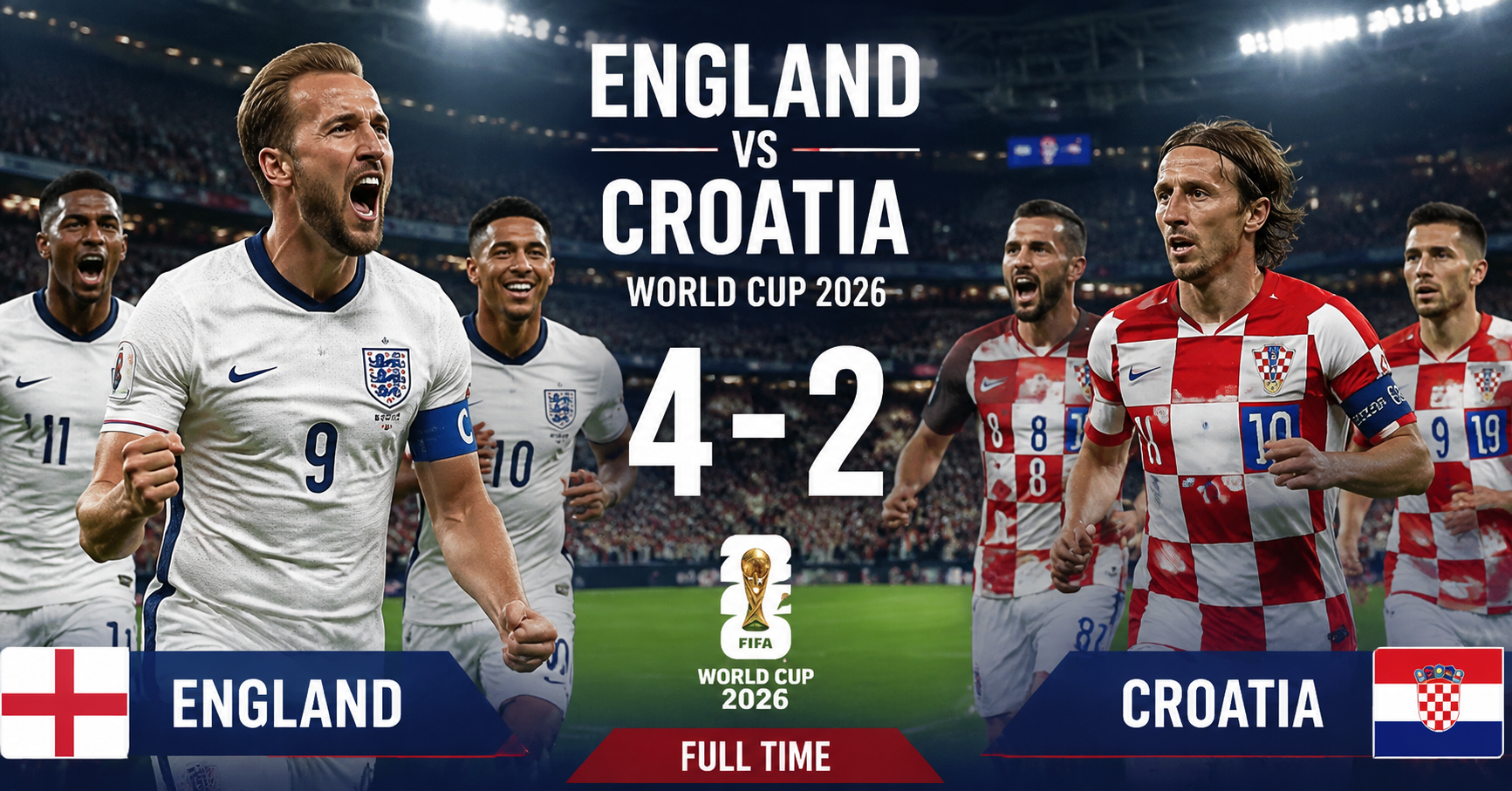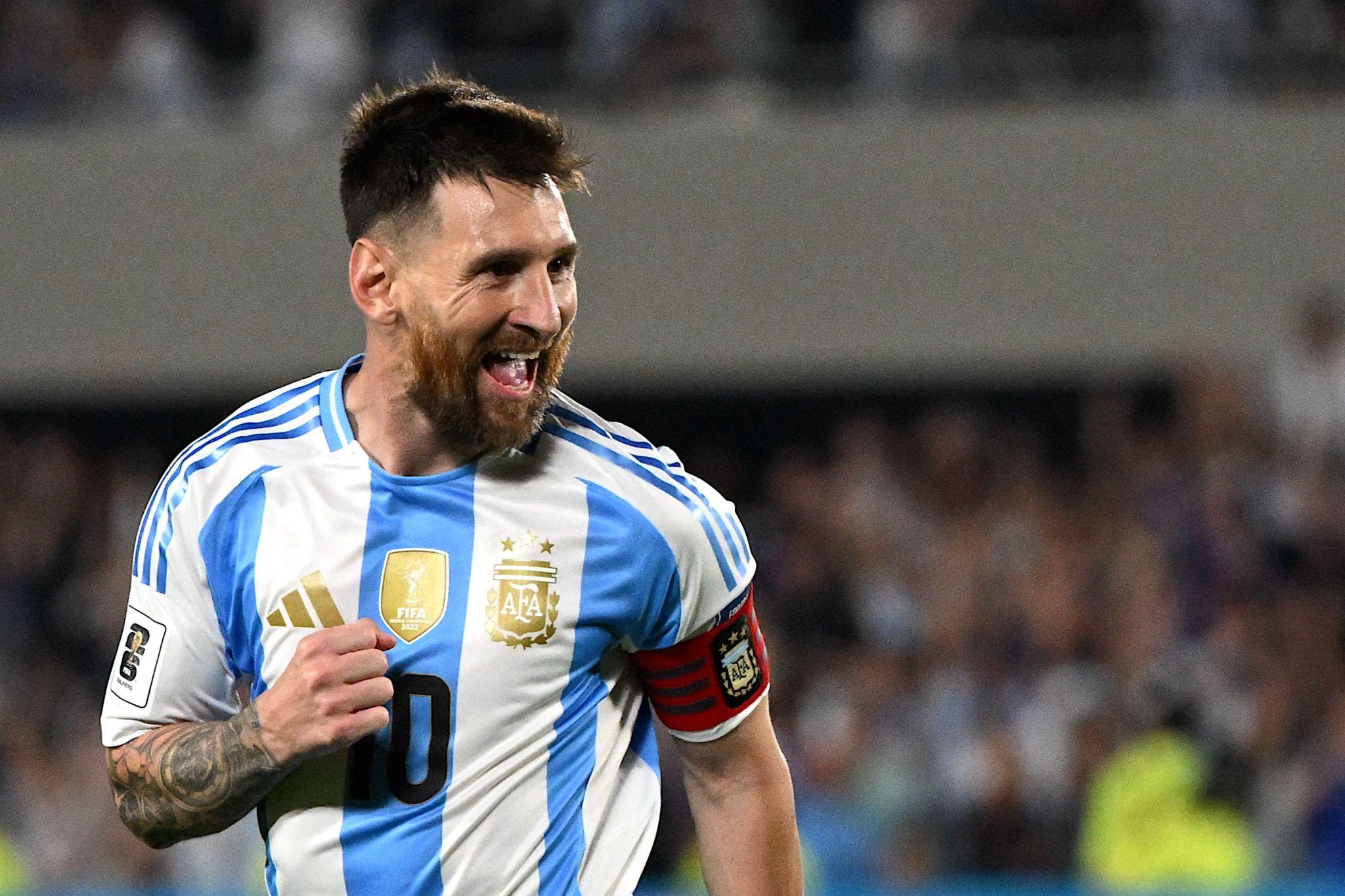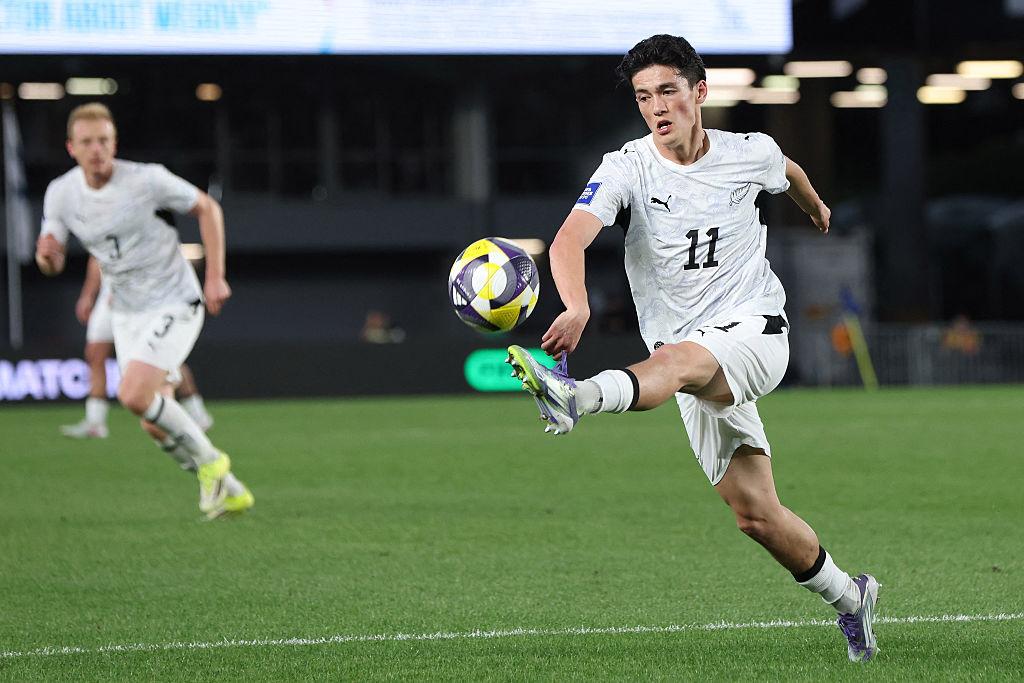

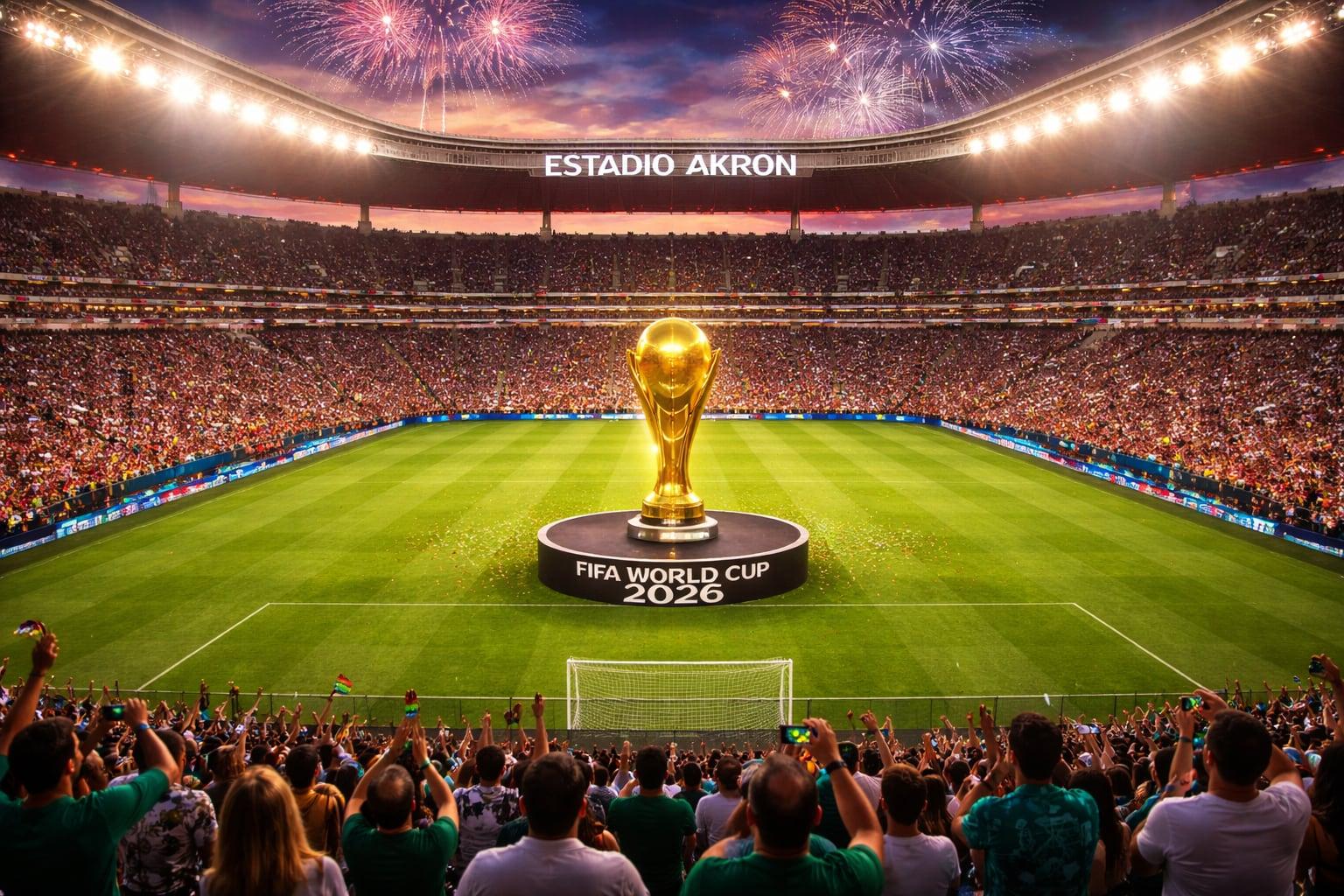
The FIFA World Cup has entered a completely new chapter in 2026. For the first time in tournament history the competition has expanded to 48 teams which has changed both the group stage and the knockout bracket. Fans now have more matches more nations and more opportunities to watch dramatic knockout football unfold.
The new format creates a longer and more demanding road to the trophy. Instead of jumping straight into a Round of 16 after the group stage teams must now survive an additional knockout round. That means even the strongest football nations need to win five consecutive knockout matches to lift the famous trophy.
From June 28 until July 19 football supporters around the world will follow every stage of the bracket as the field narrows from 32 teams to just one world champion. Every result now shapes the next part of the fixed bracket making each match even more meaningful.
The New Era Understanding the Expanded 48 Team Bracket
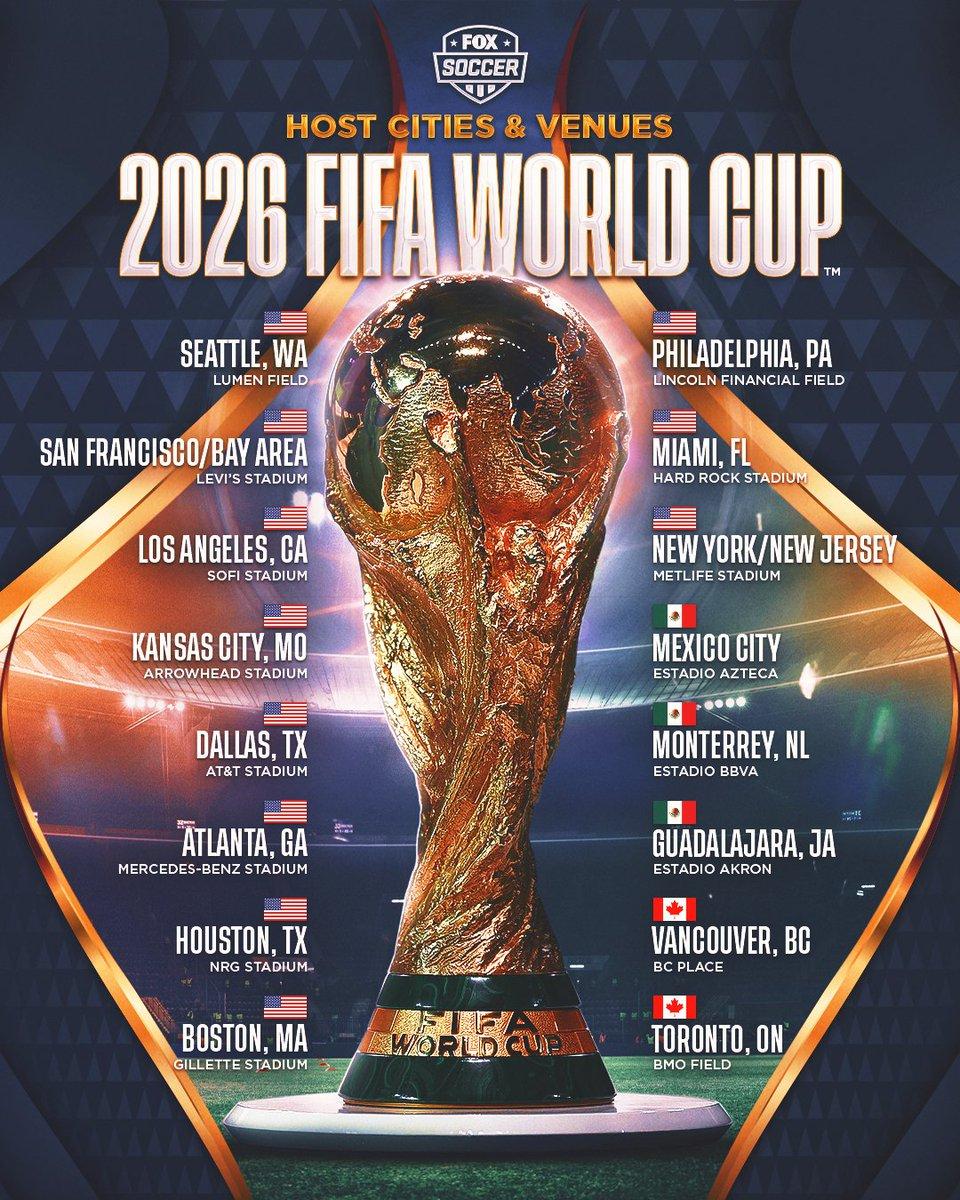
The 2026 FIFA World Cup is the biggest tournament ever organized by FIFA. Forty eight national teams qualified for the finals after years of continental qualification campaigns. The competition is hosted across the United States Canada and Mexico making it the largest World Cup in terms of participating countries host cities and total matches.
Instead of eight groups of four teams the tournament now features twelve groups labeled from Group A through Group L. Every nation plays three group stage matches with the goal of finishing high enough to reach the knockout rounds.
The expanded field allows more countries to experience the World Cup while increasing the level of competition across every continent. Nations that previously struggled to qualify now have a realistic chance to compete against the world’s elite.
The biggest change arrives after the group stage.
Instead of only sixteen teams advancing a total of thirty two teams move into the knockout bracket.
Those teams include
- 12 group winners
- 12 group runners up
- 8 best third placed teams
This creates the first ever Round of 32 in FIFA World Cup history.
The additional knockout round rewards consistency during the group stage but also gives hope to teams that recover after a slow start. A nation finishing third in its group can still dream of becoming world champion if its overall record is strong enough.
Another major difference is the fixed knockout bracket.
Once the group stage ends every qualified team immediately knows its path toward the final. There are no random draws and no reseeding. Every possible opponent is already determined by the official bracket.
That gives coaches valuable time to prepare while allowing supporters to predict potential heavyweight clashes well before they happen.
Mechanics of the 2026 Knockout Bracket How Teams Qualify
Qualifying for the knockout stage is no longer as simple as finishing in the top two places.
Group winners still receive the strongest reward by earning favorable bracket positions while runners up also move directly into the Round of 32.
The remaining eight places belong to the best third placed teams across all twelve groups.
FIFA compares every third placed team using a series of official tie breakers.
| Ranking Order | Tie Breaker |
|---|---|
| 1 | Total points earned |
| 2 | Goal difference |
| 3 | Goals scored |
| 4 | Fair play disciplinary record |
| 5 | Drawing of lots if still tied |
This ranking system means every goal matters during the group stage.
A team that scores one extra goal in its final group match could move above another third placed nation and earn a place in the knockout rounds.
Likewise maintaining discipline can become surprisingly valuable. Yellow and red cards may decide qualification if teams remain level on every football statistic.
Understanding the Fixed Bracket
Unlike some international tournaments the FIFA World Cup does not reshuffle teams after each round.
Every qualifying position is linked to a specific place on the bracket.
For example a group winner already knows which third placed qualifier or runner up it could face depending on the official bracket structure. Winning does not guarantee an easier opponent but it often avoids meeting another group winner immediately.
This system creates long term storylines throughout the tournament.
Fans can identify possible quarterfinals and semifinals days before those matches actually happen.
Television broadcasters supporters and analysts also benefit because they can follow one complete side of the bracket without waiting for another draw.
Complete Breakdown of the Round of 32 Fixtures
The historic Round of 32 begins on June 28 and continues through July 3.
This marks the first time the FIFA World Cup has featured thirty two teams in the knockout stage.
Every match becomes a winner takes all contest.
If scores remain level after ninety minutes the match continues into extra time followed by penalties if necessary.
Several opening fixtures have already captured worldwide attention because of their balance and contrasting football styles.
South Africa vs Canada
Both nations have shown impressive organization throughout the tournament. Canada combines youthful energy with technical quality while South Africa enters with confidence after an encouraging group campaign.
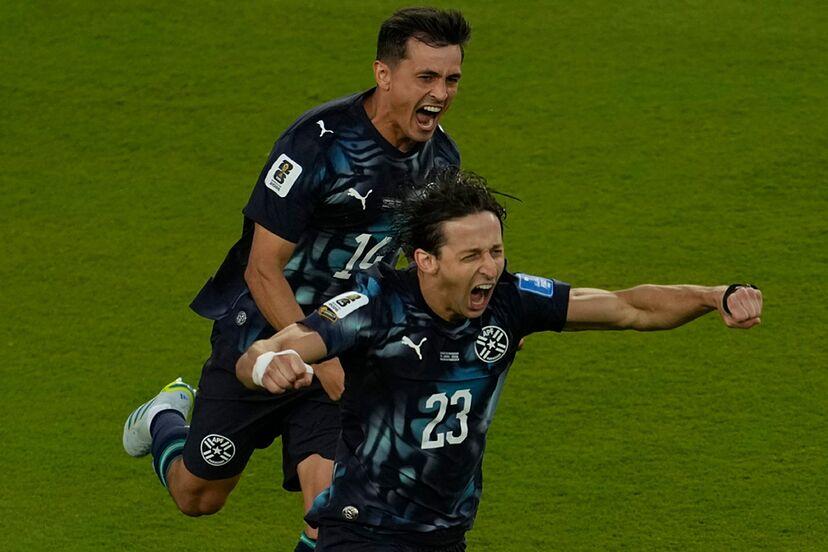
Germany vs Paraguay
Germany brings one of the deepest squads in international football but Paraguay has built a reputation for disciplined defending and physical strength. This fixture could become one of the toughest opening tests for a traditional European powerhouse.
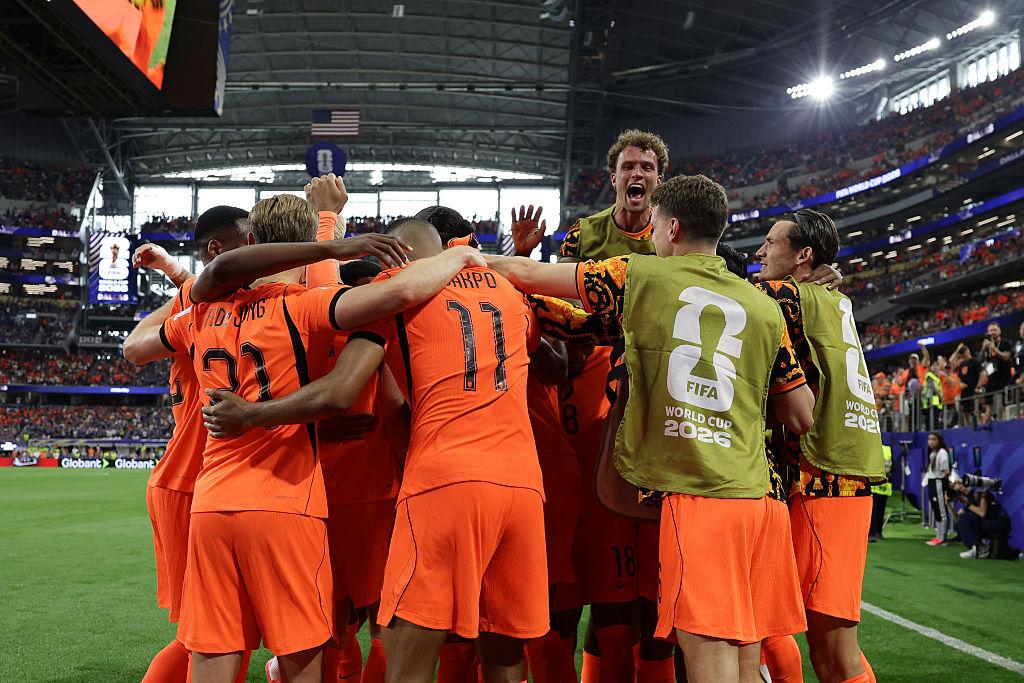
Netherlands vs Morocco
This meeting promises high quality football between two technically gifted teams.
Morocco continues to build on its growing international reputation while the Netherlands remains one of the most dangerous attacking sides in the competition.
Brazil vs Japan
Brazil enters every World Cup as one of the favorites yet Japan has repeatedly demonstrated its ability to compete with football giants.
Japan’s speed tactical discipline and quick transitions make this one of the most fascinating Round of 32 matches.
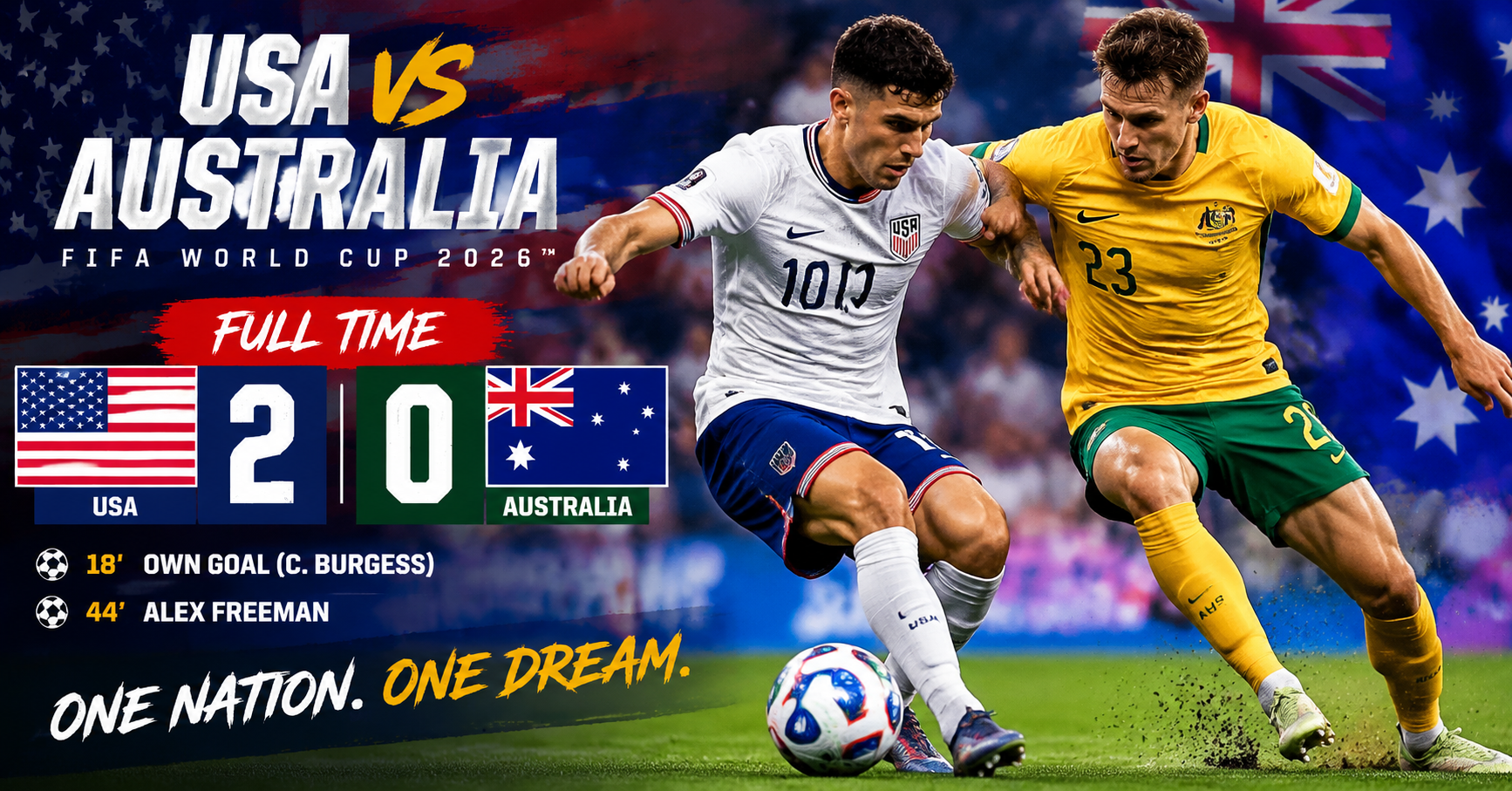
United States vs Bosnia and Herzegovina
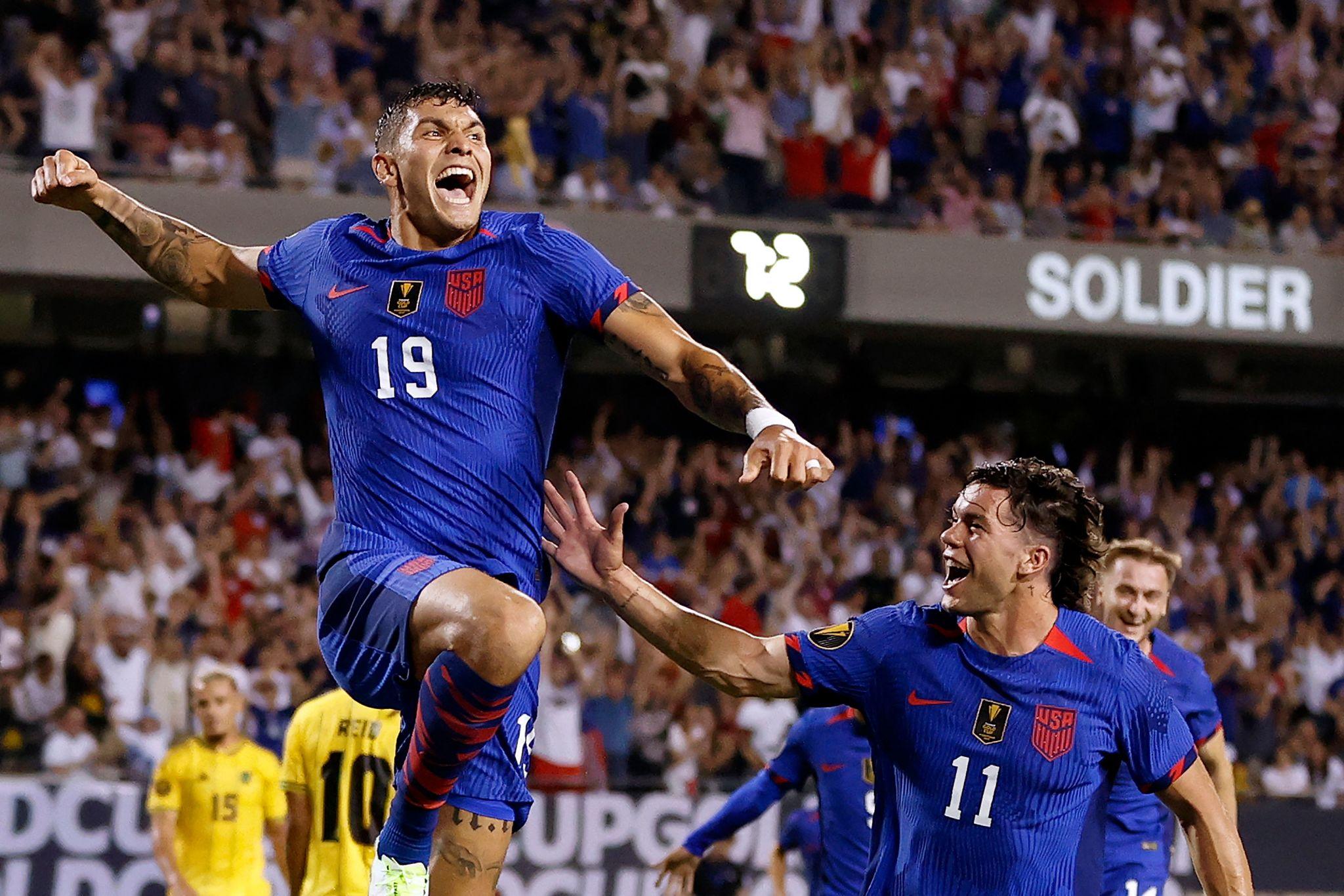
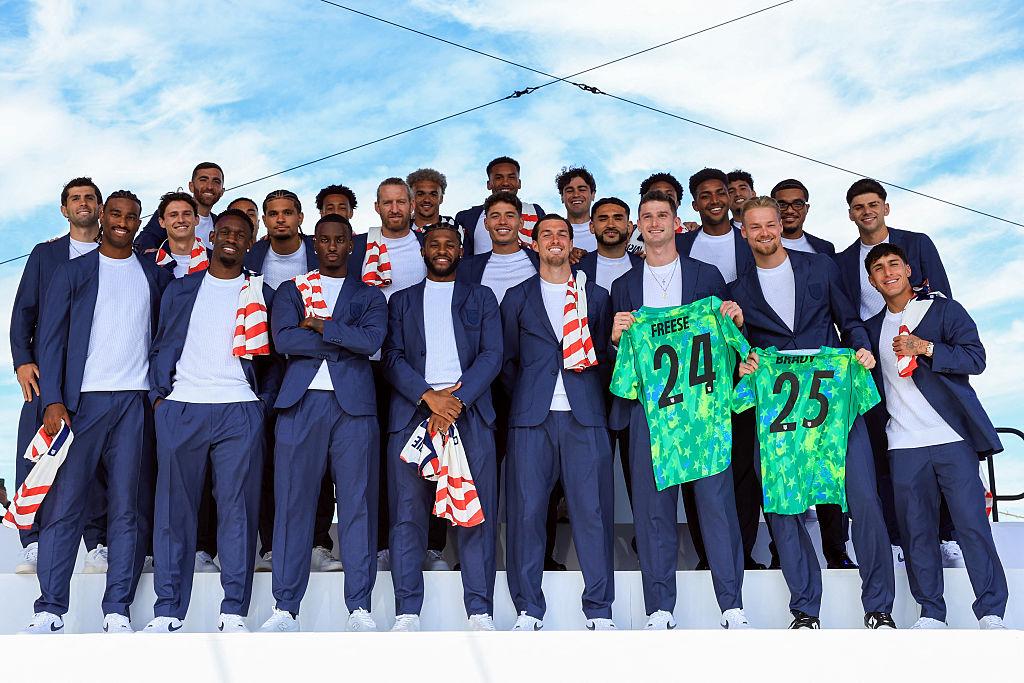
Playing in front of passionate home supporters the United States hopes to use home advantage throughout the knockout stage.
Bosnia and Herzegovina arrives with experienced players capable of frustrating stronger opponents making this an unpredictable contest.
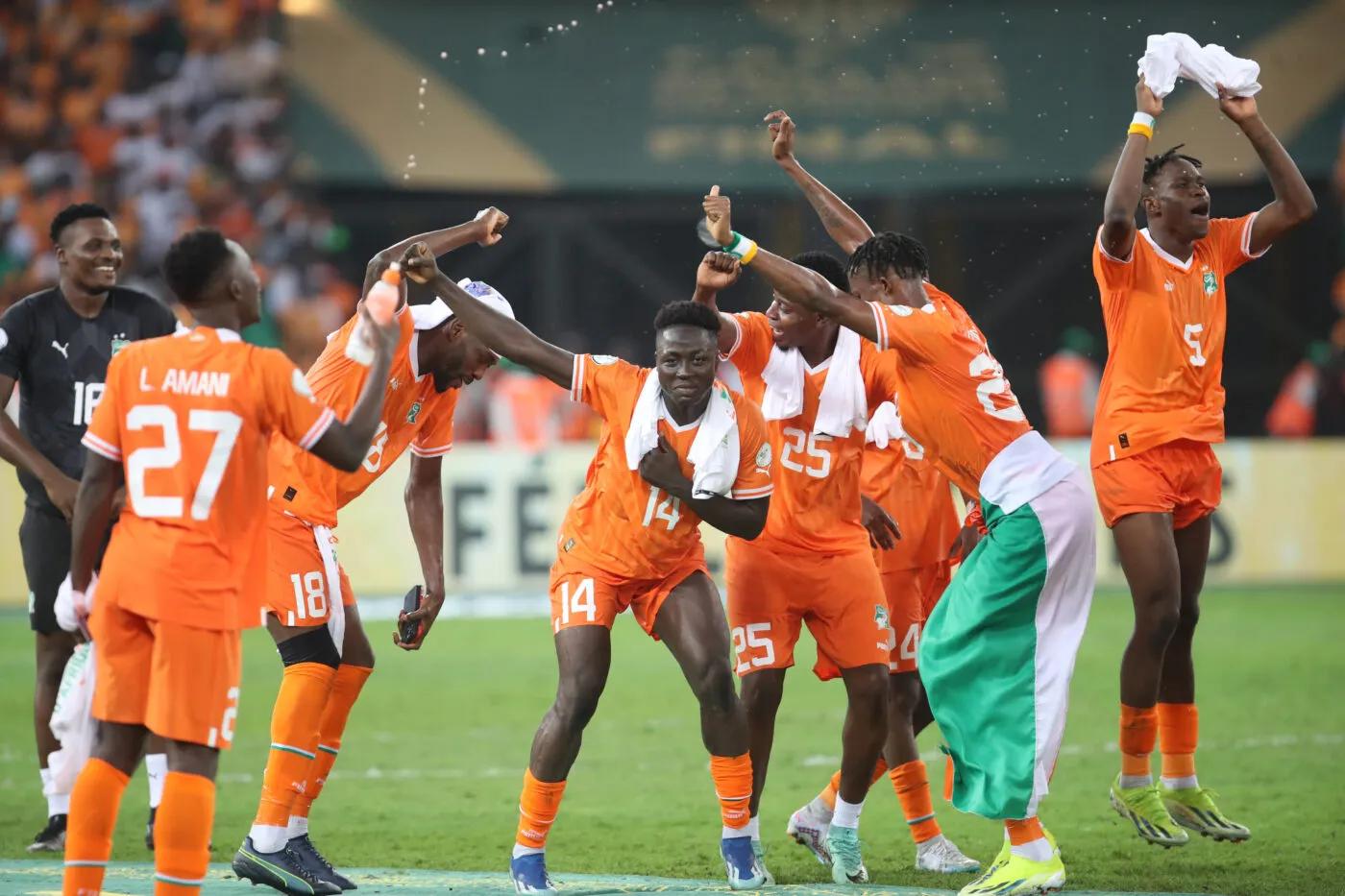
Ivory Coast vs Norway
Ivory Coast brings athleticism pace and attacking flair while Norway depends on physical presence and direct football.
The winner could quickly emerge as one of the surprise packages of the tournament.
Why the Bracket Split Matters
The Round of 32 also divides the tournament into two separate halves.
Once a team enters one side of the bracket it cannot meet teams from the opposite side until the World Cup Final.
This separation creates interesting possibilities.
One side may become loaded with former champions while the opposite half offers a smoother route for an emerging nation.
Analysts often describe this imbalance as the Bracket of Death because several title contenders may eliminate one another before reaching the final.
As the tournament progresses every victory reshapes expectations and brings one nation closer to football’s biggest prize.